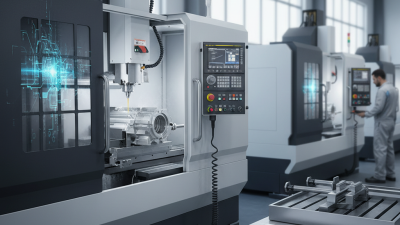
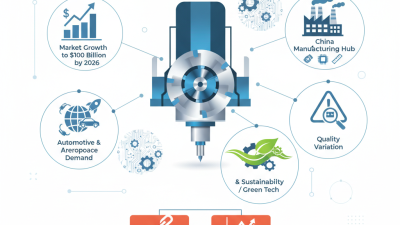
Picking the right CNC machine tool is a really big deal for manufacturers who want to boost efficiency and get precise results. I mean, according to a report from the Machinery Research Institute, the global market for CNC machine tools is expected to hit around $120 billion by 2026—talk about how important this stuff is across different industries! Industry veteran John Smith from Global CNC Technologies adds, “Investing in the right CNC machine tool can seriously take your production to the next level.”
But, honestly, choosing the perfect CNC machine isn’t always a walk in the park. There are so many things to think about—like whether the machine is compatible with your materials or whether it’s the right size for your project. Not every machine is a one-size-fits-all solution, and making the wrong choice can end up costing a ton—wasting resources, missing deadlines, you name it. It really calls for some serious research and a clear understanding of what you actually need.
When you're looking into options, wholesale industrial machine tool manufacturers can be a huge help. They’ve got loads of options and can guide you through the process. Still, even with expert advice, it can feel pretty overwhelming. It’s super important to think about your production goals and what your machines are really capable of. Remember, choosing a CNC machine isn’t just about making a quick buy—it’s about investing in your future growth, productivity, and innovation.
Understanding CNC Machines: Basic Concepts and Types
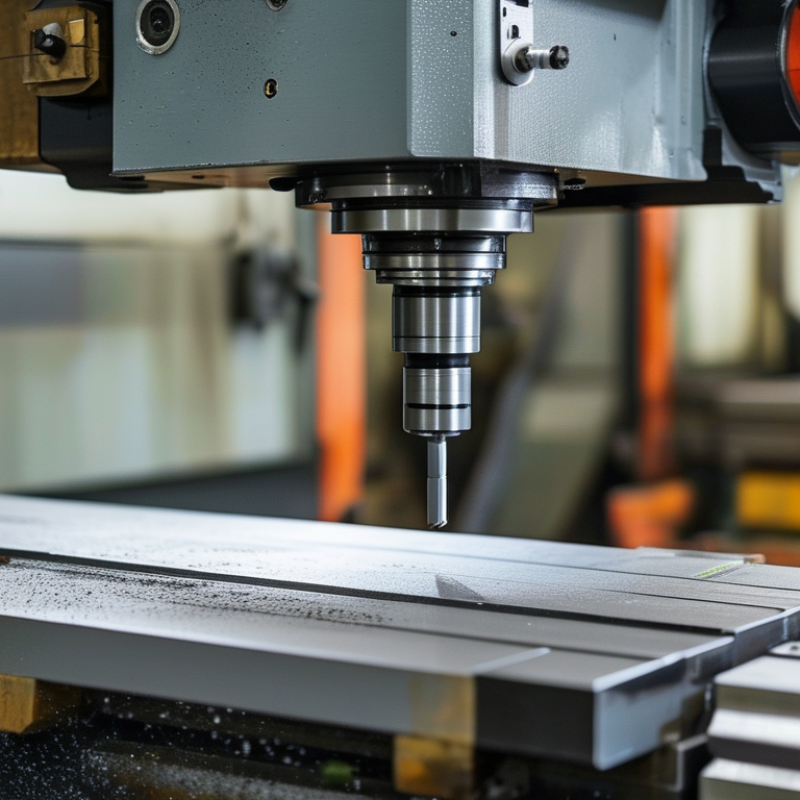
CNC machines have revolutionized manufacturing. They automate tasks, increase precision, and reduce human error. Understanding the basic concepts and types of CNC machines is essential for making the right choice. CNC, or Computer Numerical Control, involves the use of computers to control tools and machinery. From milling to laser cutting, there are various types of CNC machines, each serving specific functions.
When considering different CNC machines, it's crucial to evaluate your needs. A milling machine might be ideal for creating complex parts. On the other hand, a lathe is excellent for producing cylindrical shapes. Understanding these distinctions can help avoid costly mistakes. Reflect on the materials you’ll work with and the desired finishes. Not every machine can handle all materials effectively.
Additionally, many users encounter challenges when transitioning to CNC technology. Some find the learning curve steep. Programming and operating CNC machines require practice and skill. Engaging with the community and seeking advice can provide valuable insights. Embrace imperfections in the learning process; reflection fosters growth.
Assessing Your Production Needs: Volume, Precision, and Complexity
When selecting a CNC machine tool, assessing your production needs is vital. Consider factors like volume, precision, and complexity of your projects. A report from the International Federation of Robotics (IFR) indicates that precision-engineered components are increasingly in demand, particularly in automotive and aerospace sectors. Therefore, understanding the specific requirements of your industry can guide your selection.
Tip: Evaluate your production volume. If you're aiming for mass production, a robust CNC machine is essential. High throughput can significantly reduce per-unit costs. Similarly, if custom components are your focus, prioritize machines that offer higher precision and flexibility.
Complexity is another key aspect. A study by McKinsey & Company shows that manufacturers embracing CNC technologies report productivity increases of up to 20%. However, selecting the wrong machine can lead to operational inefficiencies. Therefore, make a list of the profiles and geometries you commonly produce. Consult with experts or Wholesale Woodworking Machine Tool Manufacturers to explore options that align with your specific needs.
Key Features to Consider When Selecting a CNC Machine Tool
Choosing the right CNC machine tool involves understanding several key features. Precision is one of the most critical factors. According to the latest industry reports, machines with higher precision ratings often yield better product quality. Typical tolerance levels range from +/- 0.005 mm to +/- 0.010 mm, depending on the machine's type and application. It's essential to select a tool that fits your specific needs, whether for intricate detail work or bulk production.
Another vital element is the machine's versatility. A multi-functional CNC machine can perform various operations, such as milling, turning, and drilling. Industry data shows that businesses with versatile machines can reduce operational costs by up to 20%. This adaptability allows manufacturers to pivot quickly to new projects without significant investment in different equipment.
Lastly, consider the user interface and software compatibility. An intuitive interface can shorten the learning curve. Many new CNC machines come with advanced programming software. However, not all software is user-friendly or compatible. Reports indicate that 30% of operators struggle with complex software, impacting production efficiency. It's crucial to evaluate the ease of use alongside the machine’s capabilities. This consideration can significantly affect overall productivity and workforce satisfaction.
Evaluating CNC Machine Brands: Reputation and Support Services
When evaluating CNC machine brands, reputation is key. A brand’s history can reveal much about its reliability. Look for companies with solid backgrounds in craftsmanship and performance. Reviews and testimonials from users can provide insights into their experiences. However, not every review will tell the complete story. Some may be overly positive or negative.
Support services play a vital role as well. Choose brands known for their customer service. Quick response times and helpful support can make a difference. It’s prudent to check if they offer training and maintenance. This adds value to your investment. Some brands may not excel because their support systems are lacking.
Exploring various manufacturers is essential. Focus on High-Quality Metalworking Machine Tool Suppliers. Verify their credibility through independent sources. Engage with experts or forums for deeper insights. Through this process, you can overcome the challenge of picking the right CNC machine. Reflection is important; not all brands will meet expectations.
Budgeting for Your CNC Machine Purchase: Costs and Financing Options
Investing in a CNC machine tool involves careful budgeting. Costs can vary significantly based on features and capabilities. Start by determining your budget range. Consider not only the purchase price but also additional expenses like software and maintenance. For many, financing options can ease the burden. Some financial institutions offer loans specifically for equipment purchases. Exploring these can provide flexibility for your business.
High-Quality Metalworking Machine Tool Factories often provide various financing plans. Ensure you fully understand the terms before committing. Assess your cash flow to avoid strain on your budget. It’s essential to look at warranty options too. Is the warranty robust? A strong warranty can help prevent future costs.
Be aware of potential hidden costs. Installation and training might require extra funds. Research thoroughly and don't hesitate to negotiate. Start-ups may benefit from leasing equipment initially. This approach can free up capital for other investments. As your business grows, reevaluate your CNC machine needs. Adjust your budget accordingly to meet your evolving requirements.
Comparison of CNC Machine Tool Costs and Financing Options
This bar chart compares the costs associated with different classes of CNC machine tools. Entry-level CNC machines are budget-friendly, while high-end models offer advanced features at a significantly higher cost. When considering financing options, it is important to assess your needs and budget accordingly.
The Importance of Software Compatibility in CNC Operations
In CNC operations, software compatibility is crucial. Selecting the right CNC machine tool goes beyond hardware. The software interface must align with your design and production needs. Mismatched software can lead to inefficiencies and costly errors.
When choosing a CNC machine, check which software systems it supports. Look for compatibility with CAD/CAM platforms you already use. This ensures a smoother workflow and reduces time spent on training. Additionally, consider the update frequency of the software.
Here are a few tips:
- Test the software before finalizing your purchase.
- Ask other users about their experiences.
- Remember to evaluate the learning curve.
Software compatibility influences productivity significantly. Ignoring it could derail your operations. It's essential to assess how easily the software integrates with your team's existing tools. Not all software is user-friendly. Research is key to making an informed decision.
2026 How to Choose the Best CNC Machine Tool for Your Needs? - The Importance of Software Compatibility in CNC Operations
| Machine Type | Max Tool Size | Software Compatibility | Precision Level | Price Range |
| CNC Milling Machine | 10 in | Compatible with ISO, G-Code | ±0.002 in | $10,000 - $50,000 |
| CNC Lathe | 8 in | Compatible with Fanuc, Mitsubishi | ±0.001 in | $15,000 - $60,000 |
| CNC Router | 4 x 8 ft | Compatible with VCarve, Aspire | ±0.005 in | $5,000 - $30,000 |
| CNC Plasma Cutter | Up to 12 ft | Compatible with AutoCAD, SolidWorks | ±0.01 in | $3,000 - $20,000 |
| CNC 3D Printer | 12 x 12 x 12 in | Compatible with Cura, Repetier | ±0.1 in | $500 - $5,000 |
Future-proofing Your Investment: Trends in CNC Technology
As the landscape of CNC technology continues to evolve, businesses must prioritize future-proofing their investments. One major trend is the incorporation of automation and smart technology. This integration allows for real-time monitoring, reducing downtime and increasing efficiency. Operational insights can lead to better decision-making, enhancing productivity. However, many businesses still struggle to fully leverage these advancements, often due to a lack of knowledge or resources.
Another key development in CNC machines is sustainability. Manufacturers are focusing on creating machines that use less energy and generate less waste. This not only benefits the environment but can also reduce operational costs for businesses. When selecting a machine, consider how it aligns with green initiatives. It's imperative to understand that merely opting for the latest model may not suffice if it doesn’t support eco-friendly practices.
As a potential buyer, it's essential to weigh your options wisely. Researching the trends is invaluable. When choosing a CNC machine tool, understanding its long-term impact is vital. Seek advice from experts. Engage with a reliable Wholesale Metalworking Machine Tool Manufacturer for guidance. Reflections on past purchases can illuminate successful features and areas needing improvement. This approach will ensure the best fit for your unique needs in a rapidly changing market.
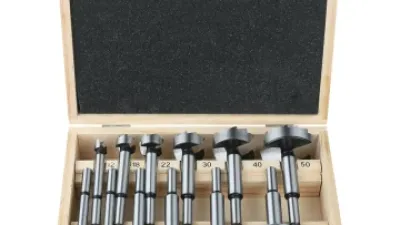
Maximize Your Woodworking Precision with 12PCS High-Quality Carbon Steel Forstner Drill Bits
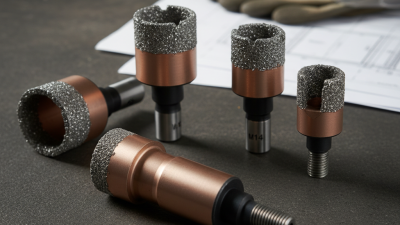
When it comes to woodworking, precision is key, and choosing the right tools can make all the difference. The 12PCS High-Quality Carbon Steel Forstner drill bits are designed specifically to enhance the accuracy and efficiency of your wood boring tasks. Made from durable carbon steel, these drill bits provide a clean and smooth finish, allowing for precise holes in a variety of wood types. Whether you are a hobbyist or a professional woodworker, these Forstner bits can help you achieve the impeccable results you desire.
The round shank design of these drill bits ensures a secure fit in your drill, minimizing slippage and maximizing control as you work. This is particularly important when drilling larger holes or creating complex joinery, as any deviation can lead to unsatisfactory results. Additionally, the 12-piece set offers a wide range of sizes, making it suitable for various projects, from crafting furniture to intricate cabinetry. With their high-quality construction and versatility, these Forstner drill bits are an exceptional addition to any woodworker’s toolkit. Experience the difference that superior tooling can make in your woodworking projects and unlock new levels of precision and creativity.
FAQS
: CNC stands for Computer Numerical Control. It automates manufacturing tasks, increasing precision.
Evaluate your needs first. Consider the types of tasks you'll perform and materials used.
Precision depends on tolerance levels. Most machines range from +/- 0.005 mm to +/- 0.010 mm.
Versatile machines can handle multiple tasks, reducing operational costs by up to 20%.
Mismatched software can lead to inefficiencies and costly errors. It’s crucial to choose wisely.
Users often find the learning curve steep. Practice and community support help overcome difficulties.
Test the software before purchasing. Ask for user experiences and evaluate its integration capabilities.
An intuitive interface can shorten the learning curve, improving productivity and workforce satisfaction.
No, each machine type is best suited for specific materials. Misjudging this can lead to mistakes.
Regular updates are important for efficiency. Research how frequently updates are provided by the vendor.
Conclusion
When choosing the best CNC machine tool for your needs, it's essential to understand the fundamental concepts and various types of CNC machines available. Assessing your production requirements, including volume, precision, and complexity, will help you make an informed decision. Key features such as speed, adaptability, and ease of use should also be considered to ensure the machine meets your operational demands.
Evaluating brands based on their reputation and support services can provide insights into reliability and long-term service. Budgeting for your CNC machine tool involves careful consideration of costs and available financing options. Additionally, ensuring software compatibility is crucial for smooth operations. Lastly, staying informed about emerging trends in CNC technology will help future-proof your investment, positioning your business for growth and efficiency.