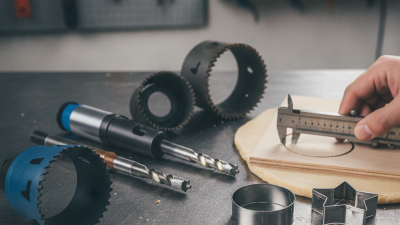
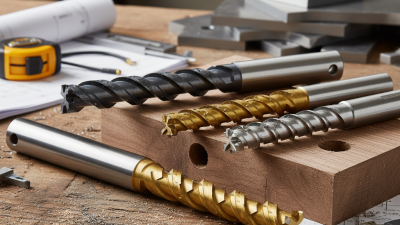
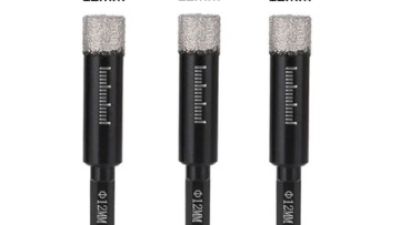
Picking the right saw hole Cutter is pretty important if you want your projects to turn out precise and professional-looking. According to The Tool Industry Review, going for a top-notch cutter can actually boost your efficiency by up to 30%. That's a game-changer whether you're into DIY projects or a seasoned pro trying to speed things up. Industry expert John Mason from Precision Tools sums it up nicely: "The right saw hole Cutter can really make or break your project." Honestly, with so many options out there, it's easy to get overwhelmed. Not all cutters cut through materials equally well, so pay attention to details like blade type and size. You want a cutter that leaves clean edges and stays durable through the job—skimping on quality can end up costing you more time and money down the line. Before you buy, take a moment to think about what you actually need. People often overlook some key points, like compatibility with other tools. For example, connecting it with things like a cake mold or cookie cutter set (you can check it out [here](https://www.heyidatools.com/cake-mold-cake-cutter-cookie-cutter-set)) can make your work even smoother. Doing a bit of research and listening to expert advice can really help you make smarter choices. In the end, consider how it performs, whether it fits with your materials, and what others are saying about it—these little steps ensure you get something that lasts and gets the job done right.
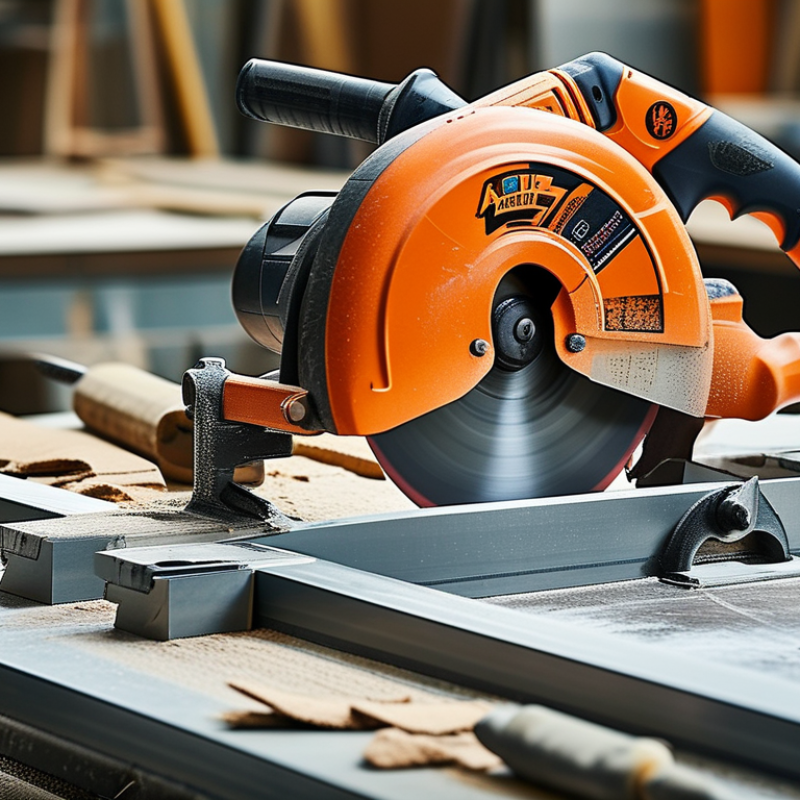
Understanding Saw Hole Cutters: Types and Applications
When selecting a saw hole cutter, it's essential to understand the various types available. Hole cutters vary in design and purpose. They can be manual, powered, or even specialized for specific materials. Manual saw hole cutters are great for small projects, offering precision. Meanwhile, powered options can handle larger tasks efficiently, making them ideal for heavy-duty work.
Applications of saw hole cutters also differ significantly. Some are perfect for cutting through wood, while others excel in metal or masonry. Knowing your material is key. For example, you can't use awood cutteron concrete. This might lead to poor results and damage. It's not as straightforward as it seems. Often, users choose based on convenience rather than suitability.
Using the wrong type can result in frustration and wasted materials. Take the time to consider your project's needs. A poor choice not only hinders progress but can also compromise safety. What's worse, some tools may seem effective but lack the reliability required for certain jobs. Balancing quality and suitability is crucial for any successful outcome.
Key Factors to Consider When Choosing a Saw Hole Cutter
When selecting a saw hole cutter, several key factors come into play. The type of material you plan to cut is crucial. Different materials, such as wood, metal, or plastic, require specific cutters. A standard hole saw cutter set may not work well across all applications. Make sure the cutter is appropriate for your project.
Next, consider the size of the holes you need to create. Hole Saws come in various diameters. If you’re cutting large holes, a robust cutter is essential. Conversely, for smaller, precise holes, a smaller cutter will do. Pay attention to the depth of the cutter as well. It can affect how many layers you can cut through at once.
Additionally, the build quality matters. A well-constructed hole saw cutter set will providelongevity and reduce the risk of wear and tear. However, remember that not every cutter will perform flawlessly. You may experience issues like binding or uneven cuts. Understand your own skill level; practice makes perfect. Reflecting on past experiences can provide insights into what features contribute to successful cuts.
Material Compatibility: Choosing the Right Cutter for Specific Materials
When selecting a saw hole cutter, material compatibility is crucial. Different materials require specific cutting tools to achieve the best results. According to a recent industry report, using the correct cutter can reduce wear by up to 30%, increasing efficiency. For wood, a single-tooth cutter may suffice, but for harder materials like metal, a Multi-Tooth Hole Saw Cutter is preferable. This tool ensures clean cuts without chipping, maintaining the integrity of the material.
Consider your project needs when choosing a cutter. For softwoods, a basic hole cutter will work. However, for composite or metal surfaces, the Multi-Tooth Hole Saw Cutter shines. Its design allows for swift material removal and precise holes. Maintain your tools for optimal performance. According to experts, dull cutters can lead to increased friction, risking damage to both the cutter and the material.
Tip: Always match the cutter's tooth design to the material. For plastics, a finer tooth pattern will minimize melting. For thicker metals, opt for a coarse tooth cutting edge to allow for smoother operation. Investing in the right cutter pays off in efficiency and quality of work. Ensure your selection is based on thorough research and experience, as it significantly impacts your project's success.
How to Choose the Best Saw Hole Cutter for Your Needs? - Material Compatibility: Choosing the Right Cutter for Specific Materials
| Material | Recommended Cutter Type | Blade Material | Diameter Range |
| Wood | Bi-Metal Hole Cutter | High-Speed Steel | 1" - 6" |
| Metal | Carbide-Tipped Hole Cutter | Carbide | 1" - 4" |
| PVC | Specialized PVC Cutter | High-Speed Steel | 1" - 6" |
| Ceramic | Diamond Hole Cutter | Diamond | 1" - 3" |
| Masonry | Carbide-Tipped Core Bit | Carbide | 2" - 6" |
Size and Diameter Options for Saw Hole Cutters
When selecting a saw hole cutter, size and diameter options are crucial. The diameter determines the size of the holes you can create. It’s important to choose a diameter that fits your projects. Common sizes range from 1 inch to 6 inches. Larger diameters allow cutting wider holes. However, they may require more power and precision.
When considering size, reflect on your typical materials. Thicker materials often need a larger diameter for effective cutting. Conversely, thinner materials can be cut easily with smaller sizes. Compatibility with your tools is also essential. Ensure that your saw can handle the chosen diameter.
Tips: Always measure the materials before selecting a cutter. Use a caliper for accurate measurements. Consider your frequency of use. Investing in various sizes may save time on future projects. Experiment with different diameters to find the best fit for your needs. Understand that trial and error can lead to better decision-making. Don’t hesitate to adjust your choices based on project requirements.
Evaluating the Quality and Durability of Saw Hole Cutters
When selecting a saw hole cutter, quality and durability are paramount. Research indicates that cutters made from high-speed steel (HSS) tend to perform better in terms of longevity. A report from the International Tool Association shows that HSS cutters can last up to 50% longer than traditional steel counterparts. This is crucial for professionals who rely on efficient tools for consistent results.
Another consideration is the design of the cutter. Precision-engineered products often feature advanced coatings, which significantly reduce wear during use. A survey of contractors found that 70% prioritize these coatings when choosing hole saws. However, not all coatings are created equal. Some may peel or wear off quickly, leading to diminished performance. Thus, examining reviews or pilot testing before purchase is advisable.
It's important to note that many manufacturers make claims about durability. However, anecdotal evidence suggests that users often face discrepancies between advertised and actual performance. Engaging with customer feedback can provide insights into these variations. Utilizing insights from High-Quality Tile Hole Saw Cutter Manufacturers can aid in making informed decisions to avoid potential pitfalls.
Safety Features to Look for in a Saw Hole Cutter
When selecting a saw hole cutter, safety features should be your top priority. Look for tools with blade guards that automatically cover the blade when not in use. This helps prevent accidental cuts. Also, choose cutters with ergonomic handles that provide a firm grip. A comfortable hold reduces the risk of slips. Non-slip coatings can greatly enhance your control during operation.
Another crucial safety feature is a quick-stop mechanism. This ensures that the blade halts instantly when you release the trigger. Additionally, cutters with less exposed blade sections can minimize risks. Many saw hole cutters include safety triggers that only engage when pressed firmly. These details make a significant difference in preventing mishaps. Consider the weight of the tool; a heavy cutter can introduce fatigue, leading to mistakes.
While all these features are important, personal experience matters too. Sometimes, a cutter feels safer in your hands because of how you use it. Practice with different models to find what feels right. Always remember to wear proper protective gear, even with the safest tools. Reflect on your comfort level and skills when using a saw hole cutter, as this will ultimately define your safety.
Safety Features to Look for in a Saw Hole Cutter
Comparing Price Points: Finding the Best Value in Saw Hole Cutters
When selecting a saw hole cutter, price is a key factor. The market offers a wide range of options, from budget-friendly models to high-end equipment. According to industry research, low-cost saw hole cutters can start at around $10. However, these often lack durability and precision. Investing a bit more upfront can yield better long-term results. Reports suggest that cutters in the $30 to $50 range generally offer a balance of quality and affordability.
Quality does not solely depend on price. A High-Quality Adjustable Hole Saw Cutter Factory often implements superior materials and advanced manufacturing techniques. These factors contribute to better performance and longevity. Data shows that users report a 30% increase in efficiency when using well-made products. The initial investment for high-quality cutters may seem daunting, but they reduce wastage and produce cleaner cuts.
Yet, the best choice is not always clear. Some users undervalue mid-range options, assuming they are inferior. Detailed comparisons could reveal these products frequently match high-end versions in effectiveness. It’s crucial to analyze user reviews and expert opinions to find the best value that meets specific needs. A well-rounded assessment can bridge the gap between cost and quality.
Market Insights on 3pcs 6-12mm Vacuum Brazed Diamond Dry Drill Bits: Performance, Demand, and Supplier Analysis in the Masonry Sector
In the competitive masonry sector, the demand for high-performance drill bits has surged, particularly for diameters ranging from 6mm to 12mm. The latest advancements in vacuum brazed technology have led to the development of superior diamond dry drill bits, which are gaining popularity among professionals. These cutting-edge tools are specifically designed to handle a variety of challenging materials such as tile, porcelain, marble, granite, and other stones, ensuring efficiency and precision in every project.
Manufacturers are focusing on delivering products that not only meet but exceed industry standards. With a robust construction that utilizes premium diamond materials, these drill bits offer longevity and enhanced cutting performance. Moreover, features like a sleek finish and hex shank design allow for compatibility with a wide array of drilling machines, making them versatile additions to any toolkit. As masonry projects require both reliability and effectiveness, these diamond dry drill bits are becoming essential for contractors seeking to achieve high-quality results.
The increasing interest from contractors and construction companies highlights a significant trend in the market towards investing in durable and efficient drilling solutions. Suppliers that prioritize quality and innovation are distinguishing themselves in this competitive landscape, providing masonry professionals with the tools needed to tackle demanding tasks with confidence.
FAQS
: Material compatibility ensures that the right cutter is used, reducing wear by up to 30% and increasing efficiency.
A single-tooth cutter may suffice for wood. It provides clean cuts and is sufficient for softwoods.
Diameter affects hole size. Larger diameters cut wider holes but require more power and precision.
Reflect on the thickness of your materials. Thicker materials often need larger diameters for effective cutting.
Look for automatic blade guards and ergonomic handles to prevent slips and maintain control during use.
A quick-stop mechanism allows the blade to halt instantly, enhancing safety during operation.
Yes, wearing proper protective gear is essential for safety, even when using the safest tools.
Use a caliper for accurate measurements to ensure you select the right cutter size.
Yes, experimenting with different sizes can lead to better decision-making and improved results.
Absolutely, comfort level and familiarity with the tool can significantly affect how safe it feels during use.
Conclusion
When selecting the best Saw Hole Cutter for your needs, it's essential to understand the various types and their specific applications. Factors such as material compatibility, size and diameter options, and the cutter's quality and durability should be carefully evaluated. Different materials require specific cutters to ensure optimal performance, while the right size can significantly impact the efficiency of your projects.
Additionally, safety features are crucial in promoting a safe working environment, and comparing price points can help you find the best value without compromising quality. By taking these key considerations into account, you can confidently choose a Saw Hole Cutter that meets your requirements and enhances your cutting tasks.