Leave Your Message
Designed for robust on-site structural fabrications, modern residential retrofits, and high-spec mechanical contracting across Britain.
Navigating modern procurement benchmarks, regional manufacturing revival, and regulatory compliances across England, Scotland, Wales, and Northern Ireland.
The post-Brexit British industrial marketplace requires strict alignment with UKCA (UK Conformity Assessed) markings and rigorous BS EN standards for mechanical stress, operator safety, and heat resistance in manual and motorized sawing.
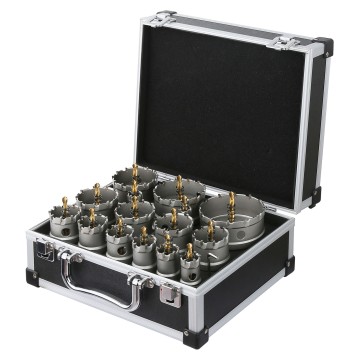
Major infrastructure frameworks—such as the Transpennine Route Upgrade, Scottish offshore wind energy platforms, and Thames Tideway maintenance—demand heavy-duty bimetal hacksaw blades, TCT hole saws, and carbide assemblies able to withstand tough British tensile alloys.
With UK enterprises striving for sustainable development goals under PAS 2080, tool longevity and minimal kerf waste are non-negotiable. M42 and high-speed matrix saws provide prolonged edge retention, reducing continuous tooling turnover.
The United Kingdom's precision fabrication sector requires versatile sawing systems that operate seamlessly between handheld mechanical maintenance and heavy shop-floor power machines. From aerospace facilities in the Midlands to shipyards along the Clyde, tooling specifications demand micro-grain metallurgy that reduces downtime and cuts cleanly through diverse metallics, composites, and masonry.
Understanding the balance between tooth pitch (TPI selection), rake angle, and backing strip elasticity enables British tool distributors, OEM workshops, and merchant chains to equip technicians with the exact tools suited to unpredictable job-site conditions.
Enhancing cutting speeds, blade longevity, and structural safety across multiple substrates.
In British construction and structural retrofits, selecting the correct Tooth-Per-Inch (TPI) rating prevents tooth stripping and catastrophic blade fatigue. For light-gauge unistrut, electrical conduit, and metal trunking commonly installed by UK M&E contractors, an 18 to 24 TPI configuration ensures that at least three teeth remain engaged in the work material at any moment. For heavy-section universal beams (UB) or structural hollow sections (SHS), a coarser 14 TPI blade, or variable pitch bi-metal saw (such as 4/6 TPI or 8/12 TPI), clears chips quickly, prevents heat accumulation, and avoids work-hardening the workpiece.
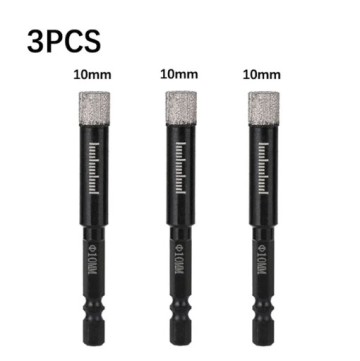
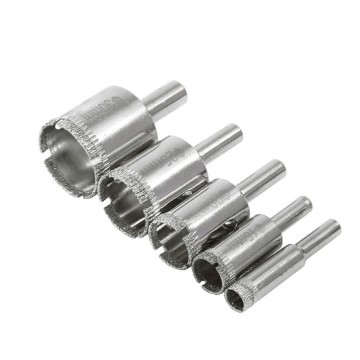
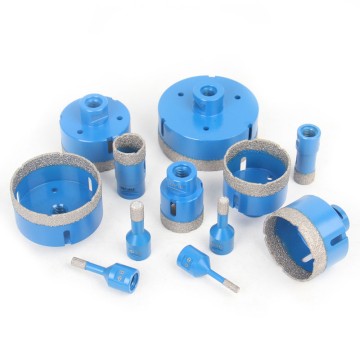
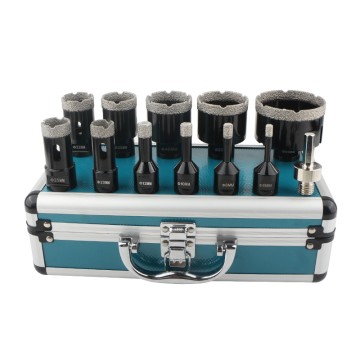
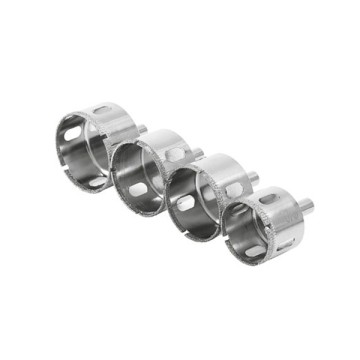
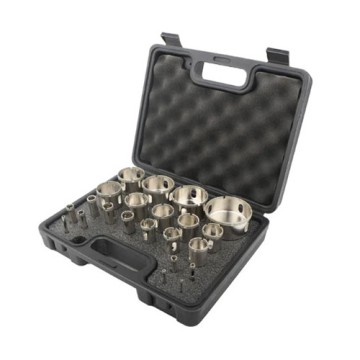
Tile fabricators, stone fixers, and bathroom installers in London and Manchester are increasingly shifting away from conventional electroplated hole cutters toward high-density vacuum brazed diamond hole saws. Vacuum brazing fuses diamond micro-grit to the high-tensile alloy substrate at elevated temperatures, producing a high chemical bond that prevents abrasive peel-off when coring hard porcelain stoneware, granites, and vitreous engineering brickwork. This translates directly to lower cost-per-hole economics and eliminates thermal fracturing on prime finishes.
As independent tool merchants, national builders' merchants, and tool hire centers across the UK adjust their purchasing portfolios, private-labeling and bespoke packaging engineered to UK merchandising standards have become essential. Yueqing Heyida Tool Factory collaborates closely with British importers to deliver custom tooth profiles, bespoke laser-etched branding, unified retail barcoding, and heavy-duty blow-molded carry cases tailored to withstand tough transport, storage, and worksite environments.
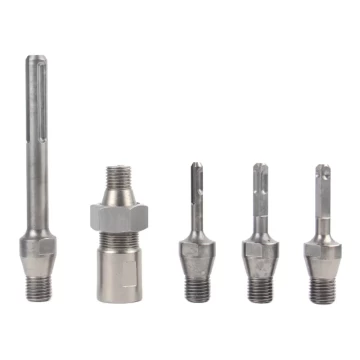
Explore our full catalog of hole saws, core arbors, and precision masonry cutters engineered to supply UK merchants and high-volume project distributors.