Leave Your Message
Denmark has long been recognized as a global leader in precision engineering, sustainable manufacturing, and architectural innovation. The market for home saw factories and manufacturers in Denmark is experiencing a profound transformation, driven by an increasing demand for high-performance, durable, and technologically advanced cutting tools. Whether it is for large-scale commercial developments in the bustling heart of Copenhagen or intricate woodworking projects in rural Jutland, the reliance on top-tier hole saws, drill bits, and cutting accessories has never been greater. Danish industries, particularly those involved in Scandinavian furniture manufacturing, shipbuilding, and green energy infrastructure, require tools that can withstand rigorous use while delivering flawless, microscopic precision.
The integration of advanced metallurgy, such as M42 Bi-Metal and TCT (Tungsten Carbide Tipped) compositions, has significantly elevated the standards of what professionals and DIY enthusiasts expect from their equipment. As the European Union enforces stricter regulations on construction safety, material efficiency, and environmental impact, manufacturers supplying the Danish market are compelled to innovate constantly. This drive for excellence has created a highly competitive ecosystem where only the most reliable and precise tools succeed. In this context, the role of specialized home saw manufacturers becomes critical. They are not merely suppliers; they are essential partners in Denmark's ongoing industrial and architectural evolution, providing the literal cutting edge required to turn visionary designs into tangible, structural realities.
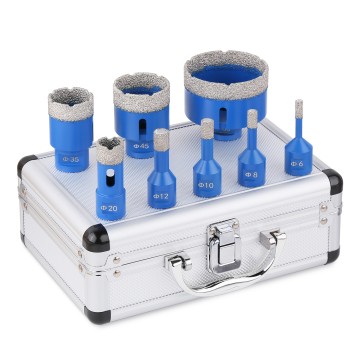
The manufacturing of hole saws and drill bits is no longer a traditional, labor-intensive process. In Denmark, the industry trend is heavily leaning towards the integration of Artificial Intelligence (AI) and automated manufacturing systems. Modern home saw factories supplying the Danish market utilize AI-driven robotics to ensure exact precision in tooth geometry and brazing processes. For instance, the production of vacuum brazed diamond hole saws now involves automated calibration systems that monitor temperature and material distribution in real-time, resulting in tools with unprecedented lifespans and cutting efficiency. Furthermore, predictive maintenance algorithms are being employed in the manufacturing facilities to minimize downtime and reduce waste, aligning perfectly with Denmark's stringent environmental standards.
The "Green Transition" is a dominant theme across all Danish commercial sectors, and the tooling industry is no exception. Manufacturers are increasingly adopting sustainable practices, such as recycling steel shavings, utilizing renewable energy in their production plants, and developing eco-friendly packaging solutions. The shift towards smart tools is also gaining immense momentum. While a hole saw itself may be a mechanical device, the machinery used to operate it is becoming remarkably smarter. Innovations such as laser-guided drilling, automated speed adjustment based on material resistance, and IoT-enabled inventory tracking for large construction sites are transforming how tools are utilized in Denmark. This technological leap ensures that Danish craftsmen and industrial workers can operate with maximum safety, efficiency, and environmental responsibility.
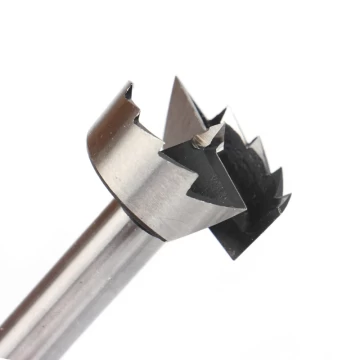
The application scenarios for home saws in Denmark are as diverse as the country's economic landscape. At the consumer level, Denmark boasts a robust DIY (Do-It-Yourself) culture, deeply intertwined with the concept of "Hygge"—creating warm, inviting, and personalized living spaces. Homeowners frequently undertake renovation projects, requiring professional-grade tools for tasks such as installing custom lighting fixtures, routing plumbing for modern bathrooms, or crafting bespoke wooden furniture. High-carbon steel Forstner drill bits and multi-tooth hole saws are indispensable for these applications, allowing for clean, splinter-free cuts in popular Nordic woods like pine, birch, and oak.
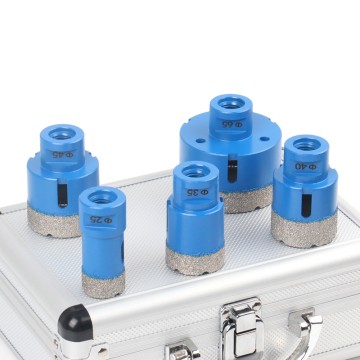
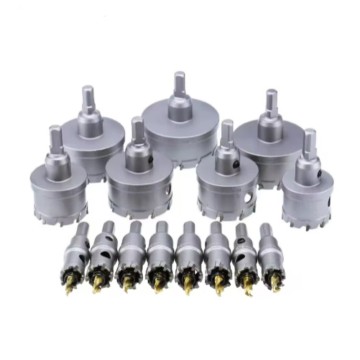
On the industrial front, the demands are exponentially higher. Denmark is a global pioneer in wind energy, with massive offshore wind farms being constructed and maintained regularly in the North Sea and Baltic Sea. The installation of these colossal turbines requires heavy-duty TCT carbide hole saws and M14 dry vacuum brazed diamond core bits to bore through reinforced composites and thick metal plating. Similarly, the historic shipbuilding industry in Odense relies on high-speed steel (HSS) full grinding hole saws for precision metalworking. Fire pipeline installations in expansive commercial buildings across Aarhus and Aalborg necessitate tools that can consistently cut through tough anti-theft doors, electrical cabinets, and environmental protection equipment without losing their edge. These localized, high-stress scenarios underscore the absolute necessity for uncompromising quality in home saw manufacturing.
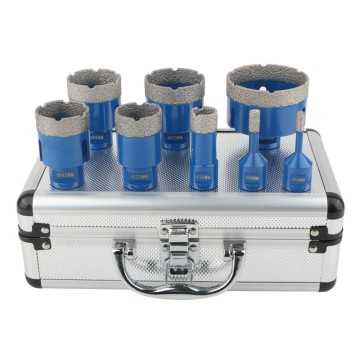
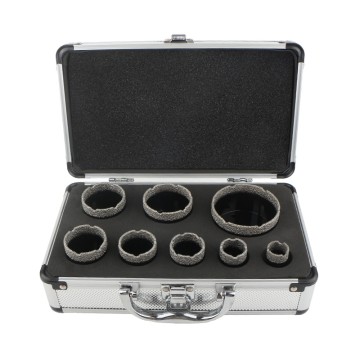
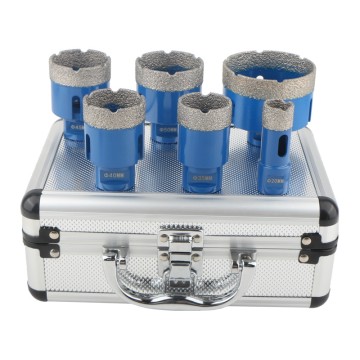
In the context of fulfilling the high standards of the Danish market, international collaborations play a pivotal role. As Denmark seeks global partners capable of meeting its rigorous industrial demands, specialized manufacturers provide the necessary technological backbone. Below is an introduction to a premier tooling factory whose capabilities align perfectly with Scandinavian expectations:
When operating in the Danish market, adherence to stringent safety and quality regulations is non-negotiable. Denmark, as a progressive member of the European Union, enforces rigorous standards for construction tools and manufacturing equipment. Home saw factories must ensure their products comply with CE marking requirements, which certify that the tools meet EU health, safety, and environmental protection standards. For hole saws and drill bits, this means undergoing exhaustive testing for metal fatigue, heat resistance, and rotational stability. In high-torque applications, such as drilling through reinforced concrete in Copenhagen's expanding metro system, a tool failure can lead to severe accidents or costly project delays.
Therefore, leading manufacturers employ advanced non-destructive testing (NDT) methods, including ultrasonic and X-ray inspections, to detect micro-fractures in the steel core before the tools ever leave the factory. Furthermore, Danish occupational health and safety regulations (Arbejdstilsynet) place a strong emphasis on ergonomic design and minimizing worker exposure to hand-arm vibration syndrome (HAVS). Premium hole saws are dynamically balanced to reduce vibration, and optimized tooth geometries are designed to lower the cutting resistance, thereby reducing the physical strain on the operator. This unwavering commitment to safety and compliance not only protects the end-user but also solidifies the reputation of top-tier manufacturers in the highly discerning Scandinavian market.
Looking ahead, the future of home saw factories and manufacturers supplying Denmark will be defined by two key pillars: sustainability and smart integration. Denmark's ambitious goal to become carbon neutral by 2050 is forcing all sectors, including construction and tooling, to re-evaluate their supply chains. Manufacturers are exploring the use of recycled steel and bio-based lubricants in the production process. Additionally, there is a growing emphasis on the circular economy—designing tools that are not only highly durable but also easily recyclable at the end of their lifecycle. Advanced bonding techniques, such as vacuum brazed diamond technology, already contribute to this by significantly extending the operational life of cutting tools compared to traditional abrasive methods.
On the technological front, the integration of smart sensors into power tools and cutting accessories is on the horizon. Imagine a hole saw equipped with a micro-sensor that communicates with the drill to automatically adjust the RPM based on the material being cut, optimizing performance and preventing the tool from overheating. While such technologies are still in their infancy, the Danish market, known for its early adoption of innovative solutions, is primed to embrace them. As the line between hardware and software continues to blur, manufacturers who can combine impeccable metallurgical engineering with advanced digital capabilities will undoubtedly lead the market. In this dynamic landscape, the commitment to "professional focus and quality" will remain the ultimate differentiator, ensuring that the tools used to build the Denmark of tomorrow are as resilient and forward-thinking as the nation itself.