Leave Your Message
Engineered to deliver exceptional concentricity, superior heat dissipation, and long tool life for Japanese industrial tooling standards.
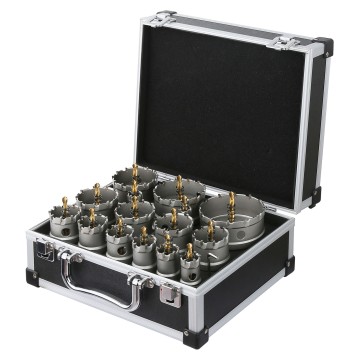
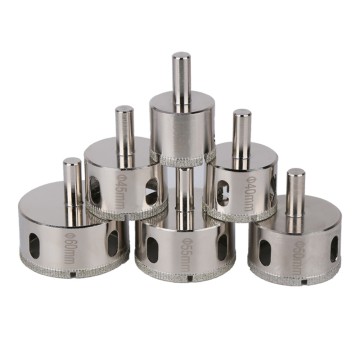
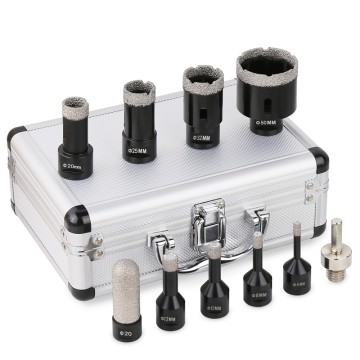
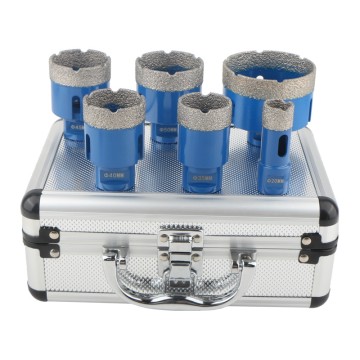
Understanding Japan’s Monozukuri spirit, strict quality expectations, and technological requirements across leading industrial belts.
In electrical equipment manufacturing and power distribution hubs (such as Tokyo, Kanagawa, and Osaka), high-speed steel hole cutters are vital for drilling clean, burr-free knockouts in SUS304 stainless steel and mild steel electrical control panels conforming to Japanese JIS and JEMA standards.
Within major automotive clusters across Aichi (Chubu region), Shizuoka, and Gunma, tier-1 and tier-2 automotive component suppliers demand high-precision HSS and M42 bi-metal hole saws for body prototyping, sheet-metal modifications, and custom EV battery housing venting fixtures.
Japan’s rigorous earthquake-resistant architecture, commercial fire pipeline systems, and residential interior renovation require rapid, high-torque cutting through structural drywall, conduit pipes, galvanized steel studs, and security doors with zero tool deflection.
Japanese procurement specialists evaluate HSS hole saws based on strict metallurgical balance, runout concentricity (under 0.05mm), and tooth geometry efficiency. Conventional bi-metal hole saws frequently experience tooth stripping and premature thermal fatigue when processing tough alloy steels and cold-rolled stainless sheets (SUS316 / SUS304).
Modern HSS full-grinding hole saws utilize high-grade M2 and cobalt-infused M42 high-speed steel. By applying CNC progressive tooth-grinding technology, each tooth features variable rake angles (4/6 TPI variable tooth pitch) that reduce chatter, suppress harmonics, and drastically lower torque resistance. This enables operators using cordless battery-powered drills (popular Japanese brands like Makita, HiKOKI, and Panasonic) to achieve longer battery life per charge.
In addition, advanced vacuum heat treatment processes guarantee an optimal tooth hardness of HRC 66-68 while retaining a flexible alloy body, completely preventing catastrophic body fracture under high-impact cutting loads.
Specialized side chip evacuation slots combined with aggressive variable gullet depths accelerate swarf clearance, preventing chip clogging and localized heat build-up during high-depth structural drilling in metal framing.
Japanese environmental directives (Green Procurement guidelines) encourage low-lubricant or dry cutting. Our specialized physical vapor deposition (PVD) surface coatings and titanium-aluminum coatings enable smooth, cool cutting without toxic coolant mist in indoor renovation projects.
Where precision cutting meets heavy-duty industrial productivity across Japan's leading economic sectors.
Precision hole cutting for cable glands, pushbuttons, and conduit fittings in industrial distribution cabinets. High concentricity ensures exact roundness, preventing waterproof seal failures (IP65/IP67 rated enclosures).
Major shipyards in Nagasaki, Imabari, and Kobe utilize heavy-duty HSS and TCT hole saws for heavy steel plate penetration, piping penetrations through watertight bulkheads, and deck instrumentation fixtures.
In Kyushu ("Silicon Island") and Tohoku semiconductor fabrication plants, burr-free high-precision hole cutting is essential for stainless steel gas exhaust and pure water delivery pipelines without metallic contamination.
Fast penetrating hole saws equipped with heavy-duty arbors ensure swift boring through thick-walled carbon steel pipes and ventilation ducting in Tokyo commercial skyscrapers.
Fabrication of seismic-rated steel door locks, anti-theft window frames, and exterior aluminum curtain walls requiring rapid, deformation-free cutting across composite metallic profiles.
Drilling high-tensile steel structural members and aluminum train interior structures for the Shinkansen and metropolitan subway rolling stock maintenance facilities.
Adapting to automation, next-generation cordless high-speed tool setups, and rigorous supply chain quality audits.
1. Shift Toward Thin-Kerf High Efficiency: With the rapid adoption of 36V/40V max cordless brushless power tools across Japanese job sites, hole saw manufacturers are focusing on ultra-thin kerf designs that reduce cutting resistance by over 30%, conserving battery life while accelerating penetration rates.
2. Hybrid Carbide (TCT) and HSS Integration: Demands for cutting hard materials like high-tensile steel (Hardox) and fiber cement composites have led to the widespread adoption of multi-grade carbide tipped and super-hard HSS solutions that eliminate tool swapping on multi-material job sites.
3. Quick-Change Shank Mechanisms: Japanese tradespeople emphasize rapid job turnover. Universal quick-change hex shanks (such as 6.35mm / 1/4" hex and SDS-plus compatibility) that allow one-click core ejection are becoming the standardized choice for field engineers.
When Japanese trading houses (Shosha) and tool brands evaluate overseas manufacturing partners, rigorous inspection protocols are paramount:
Explore our comprehensive industrial tooling lineup engineered for professional metalworking, masonry, tile, and construction contractors.