Leave Your Message
Tokyo is globally recognized not merely as a financial and cultural hub, but as an undeniable powerhouse for advanced manufacturing and precision engineering. Finding a reliable Saw Steel Product & Supplier in Tokyo is a critical step for enterprises operating within this highly competitive environment. The city's industrial landscape, particularly in wards like Ota and Sumida, is characterized by a dense concentration of highly specialized small and medium-sized enterprises (SMEs). These manufacturers form the backbone of Japan's world-renowned supply chain, contributing significantly to sectors such as automotive manufacturing, robotics, aerospace, and heavy infrastructure.
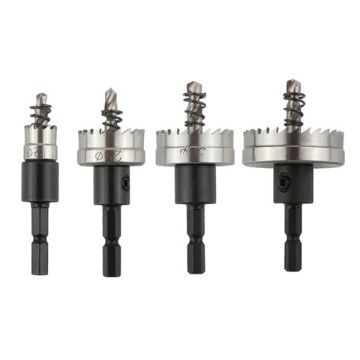
In this intricate ecosystem, saw steel products—ranging from HSS full grinding high-speed steel hole saws to TCT carbide hole saws—play an indispensable role. Precision cutting tools are the unsung heroes of modern manufacturing. In Tokyo, where the tolerance for error is measured in microns, the quality of the saw steel directly dictates the efficiency, safety, and longevity of the final product. Suppliers in the Tokyo metropolitan area are expected to meet stringent Japanese Industrial Standards (JIS), ensuring that every drill bit and saw blade can withstand the rigorous demands of continuous, high-speed automated production lines.
Furthermore, the commercial dynamics of the saw steel market in Tokyo are evolving. With an increasing emphasis on lean manufacturing and just-in-time (JIT) delivery, local suppliers are integrating sophisticated logistics and inventory management systems. This ensures that industrial clients have immediate access to critical cutting tools, minimizing downtime. The synergy between high-grade saw steel products and Tokyo's advanced logistical networks creates a robust environment where manufacturing excellence thrives, attracting global partnerships and foreign direct investment into the region's industrial sectors.
Integration of Artificial Intelligence in metallurgy ensures saw steel products have optimized grain structures, maximizing durability and cutting efficiency.
Tokyo's strict environmental regulations are pushing suppliers toward sustainable manufacturing processes, reducing carbon footprints without compromising quality.
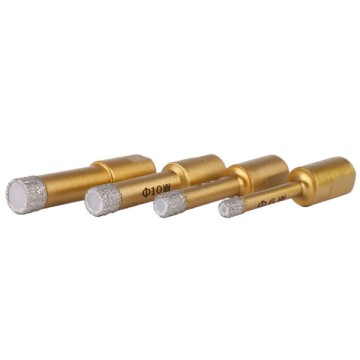
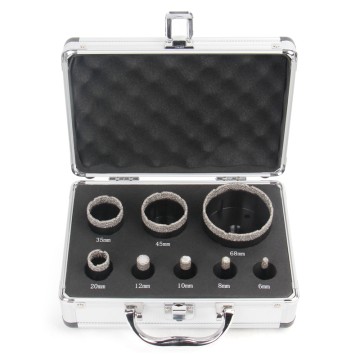
The rise of vacuum brazed diamond technology and titanium coatings significantly extends the lifespan of hole saws used in extreme industrial conditions.
The traditional saw steel industry is currently undergoing a profound technological renaissance, heavily influenced by the adoption of Industry 4.0 principles across Tokyo's manufacturing districts. A leading Saw Steel Product & Supplier in Tokyo is no longer just a vendor of metal tools; they are providers of highly engineered technological solutions. One of the most prominent trends is the integration of AI and smart sensors into the machining and manufacturing processes of the tools themselves. By analyzing vast amounts of data during the forging and tempering of saw steel, manufacturers can predict and eliminate micro-fractures, resulting in blades and drill bits of unparalleled resilience.
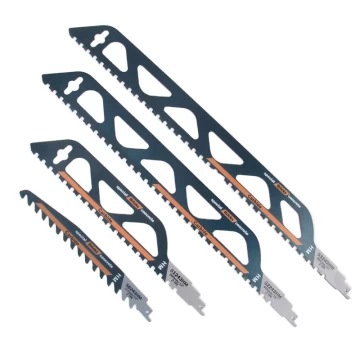
Another significant trend is the shift towards multi-material cutting capabilities. As Tokyo's construction and manufacturing sectors increasingly utilize composite materials, carbon fiber, and advanced alloys, the demand for versatile cutting tools has skyrocketed. Products like brazed diamond hole saws and Tungsten Carbide Alloy Saber Saws are becoming the industry standard. These tools offer superior thermal resistance and wear characteristics, allowing them to slice through reinforced concrete, aerated cement bricks, and hardened steel with minimal degradation. This multi-functionality reduces the need for frequent tool changes, thereby optimizing operational efficiency on the factory floor or construction site.
Sustainability is also reshaping the industry. Tokyo's commitment to carbon neutrality has prompted suppliers to innovate eco-friendly production methods. This includes recycling metal shavings, utilizing renewable energy in forging facilities, and developing dry-cutting technologies that eliminate the need for harmful chemical coolants. By aligning with these green initiatives, saw steel suppliers not only comply with local regulations but also appeal to environmentally conscious global corporations operating within Japan.
The application of high-quality saw steel in Tokyo extends far beyond standard factory floors; it is deeply integrated into the very fabric of the city's ongoing development and maintenance. One of the most critical localized applications is in high-rise construction and seismic retrofitting. Tokyo is situated in a highly active seismic zone, necessitating stringent building codes. The construction of earthquake-resistant structures requires the precise cutting of thick, high-tensile steel beams and reinforced concrete. Industrial-grade hole saws and reciprocating saw blades are essential for creating the precise joints and utility passages required in these advanced architectural designs.
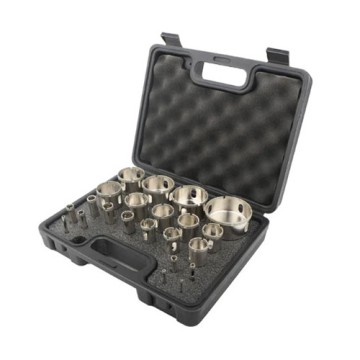
Infrastructure maintenance represents another massive sector for saw steel applications. Tokyo boasts one of the most complex and extensive public transit networks in the world, including its famous subway systems and the Shinkansen (bullet train) tracks. The continuous maintenance of these networks requires tools that can perform efficiently in tight, underground spaces with minimal disruption. M42 Bi-Metal hole saws and specialized drill bits are routinely employed by municipal engineering teams for fire pipeline installations, electrical cabinet routing, and environmental protection equipment upgrades deep within the city's subterranean infrastructure.
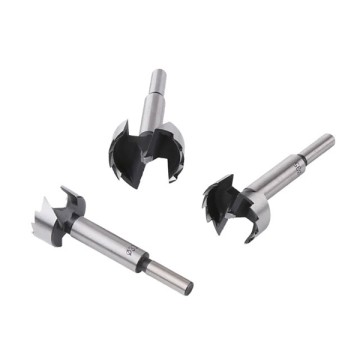
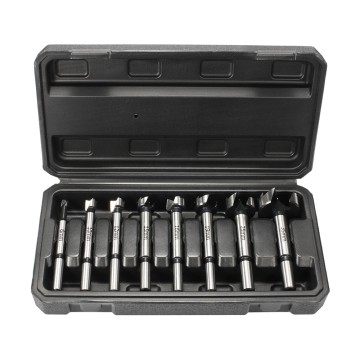
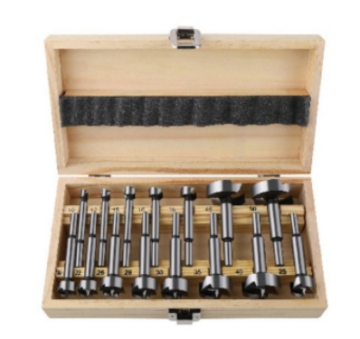
Furthermore, Tokyo is a city where hyper-modernity meets traditional craftsmanship. In the woodworking sector, traditional Japanese carpentry (Sashimono) is increasingly blending with modern interior decoration and anti-theft door and window manufacturing. Premium carbon steel wood boring tools and Forstner drill bits are highly sought after by local artisans and commercial decorators alike. These tools provide the exceptionally clean, splinter-free cuts required to maintain the aesthetic perfection expected in high-end Tokyo real estate and commercial spaces. From the petroleum and chemical industries operating in Tokyo Bay to the specialized shipbuilding docks, the localized demand for specialized saw steel remains robust and multifaceted.
To support the demanding standards of global hubs like Tokyo, exceptional manufacturing origins are required. Heyida Tool Factory, located in Yueqing City and established in 1998, is a leading Chinese enterprise specializing in R&D, production, and sales of hole saws and drill bits. The company holds multiple utility model and invention patents, equipped with top-tier modern production and testing equipment, and has built a modern enterprise team integrating R&D, production, and sales.
Our main products include M42 Bi-Metal hole saws, HSS full grinding high-speed steel hole saws, TCT carbide hole saws, brazed diamond hole saws, and woodworking drill bits. These are widely applied in building installation, interior decoration, anti-theft door and window industry, fire pipeline installation, petroleum and chemical industry, shipbuilding, electrical cabinet, environmental protection equipment industry and other fields. The sales network covers more than 200 cities around the world and has thousands of sales outlets, perfectly positioning us to serve dynamic markets globally, including fulfilling the need for a premier Saw Steel Product & Supplier in Tokyo.
Heyida always focuses on customers, emphasizing the commitment to providing full-cycle pre-sales, in-sales, and after-sales services. Adhering to the manufacturing philosophy of "professional focus, quality wins" and the business philosophy of "people-oriented, win-win cooperation", the company is dedicated to building a quality benchmark and forging a Chinese brand, sincerely hoping to cooperate with like-minded partners to achieve a brilliant future.
Explore our full range of high-performance cutting tools designed to meet the rigorous demands of Tokyo's advanced industrial and commercial sectors.