When you're trying to pick out the perfect Diamond Hole Saw for your project, it's honestly a good idea to listen to some expert advice. John Smith from Diamond Tools Inc. puts it simply: "Picking the right one can really make or break your work." That highlights just how important it is to really understand what your project needs.
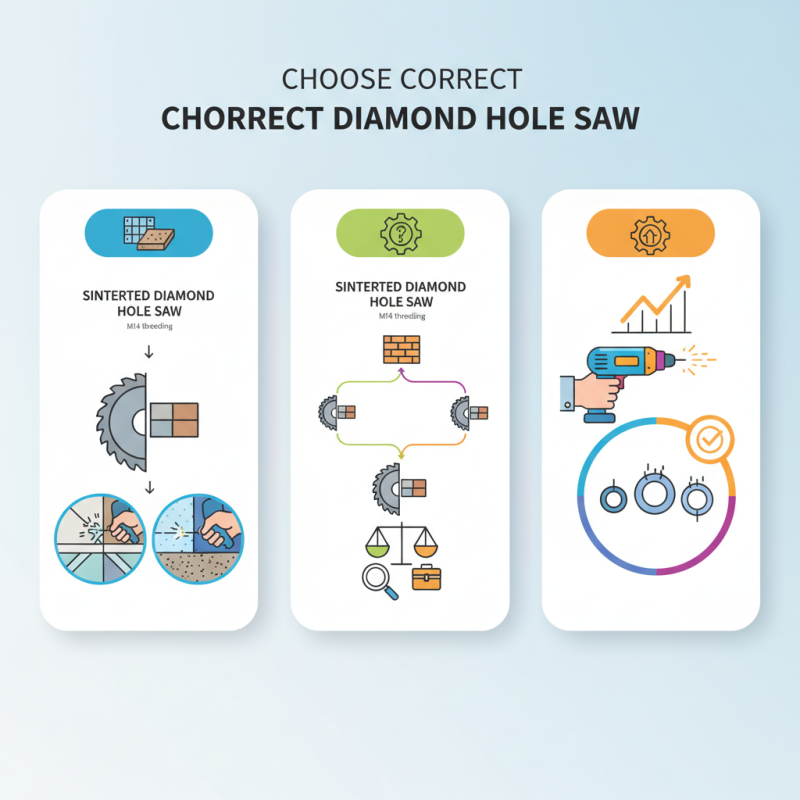
A lot of folks tend to make the mistake of grabbing the wrong Hole Saw — trust me, it happens more often than you'd think. You’ve gotta consider stuff like the material you're working with, the size you need, and the type of saw. For example, if you're dealing with tough materials like tile or stone, aSintered Diamond Hole Saw M14 Thread is probably your best bet. But not every project calls for something so heavy-duty. Taking a moment to evaluate what you really need can save you a lot of headaches (and money) down the line.
Remember, every project’s a little different, and what works for one might not work for another. If you’re just starting out, it’s easy to overlook some key details, which can lead to frustration or delays. So, do your homework, check out some expert tips, and pick the right tool for the job. When you do, you'll see a big difference in how smoothly things go and the quality of your results.
Understanding Diamond Hole Saws: An Overview of Their Uses
Diamond Hole Saws are essential tools for various projects. They are designed to cut through hard materials like tile, glass, and stone. The diamond-coated edge allows for precision and durability. These tools create clean holes, making them ideal for plumbing and electrical work. Using a Diamond Hole Saw can be a game changer for DIY enthusiasts.
When selecting a diamond Hole Saw, consider the material you’ll be working with. Whether it's ceramic, porcelain, or even concrete, each type has its unique requirements. The size of the Hole Saw matters too. Choose a diameter that fits your project needs. Bigger isn’t always better; oversizing can lead to issues with stability and control. A smaller diamond Hole Saw may provide better maneuverability in tight spaces.
Working with a diamond hole saw can be challenging. If not applied correctly, you may end up with uneven holes or damaged surfaces. It’s essential to maintain a steady pace and use water for cooling. This helps prevent overheating and extends the tool's life. Always practice on scrap material first. Gaining experience will enhance your skills. Remember, even experts encounter difficulties. Embrace the learning curve.
Key Factors to Consider When Selecting a Diamond Hole Saw
Choosing the right diamond hole saw involves several key factors. First, consider the material you're working with. Different materials require different types of diamond saws. For instance, porcelain tiles need a specific type of diamond drill, while glass or granite might require another. Mismatching can lead to poor results or damage.
Next, pay attention to the diameter of the hole saw. The size you need will depend on the application. A larger diameter is better for plumbing or electrical needs. However, smaller sizes work well for projects like sink installations. Ensure the hole saw fits your drill. Compatibility is crucial for a smooth drilling experience.
Evaluate the saw's quality as well. A more expensive option isn’t always better, yet inferior products can fail quickly. Look for features like segment design. These often impact efficiency and longevity. Not all saws are designed for heavy use. Recognizing this can save you time and frustration. Remember to check reviews, but don’t solely rely on them. Your experience will shape your choice.
How to Choose the Right Diamond Hole Saw for Your Project? - Key Factors to Consider When Selecting a Diamond Hole Saw
| Factor | Description | Recommended Use |
| Material Type | Different diamond hole saws are suited for various materials such as tile, glass, porcelain, or concrete. | Choose based on the material you are drilling. |
| Diameter Size | The diameter of the hole saw determines the size of the hole. Common sizes range from 1/4" to 6". | Select a size that matches your project requirements. |
| Segmentation Type | Segmentation refers to the design of the diamond grit. This affects cutting speed and efficiency. | Opt for continuous segments for a smooth cut, or segmented for faster material removal. |
| Arbor Size | The arbor size must match the drill you are using to ensure compatibility and safety. | Check your drill specifications before purchasing. |
| Cooling Method | Some diamond hole saws require water or cooling fluid to prevent overheating. | Consider a cooled saw for extended use on dense materials. |
| Durability | Durability varies depending on the materials used for the saw's construction. | Choose high-quality options to ensure longer life and fewer replacements. |
Types of Diamond Hole Saws and Their Applications
When selecting a diamond hole saw, understanding the types available is essential. Different designs serve various applications, impacting your project’s efficiency. For example, the standard diamond core drill is highly effective for drilling through ceramic tiles and glass. Reports indicate that nearly 75% of professionals prefer using this type for renovations, reflecting its versatility.
Another option is the Hex Handle Diamond Hole Saw. This design is particularly beneficial for added grip and torque. It's ideal for more demanding tasks such as drilling through dense masonry or stone. Professionals have noted a 30% increase in drilling speed when using this type compared to traditional saws. However, it’s important to consider the cooling measures during prolonged use, as overheating can weaken the diamond bond.
Hydraulic and electric diamond core drills are tailored for large-scale projects. Their power significantly reduces the manual effort required. Yet, they often demand a higher investment. Surprisingly, some users reported difficulty in precision work with these models. They require skill to handle effectively. Therefore, weighing the pros and cons of each type will help ensure that you choose the right diamond hole saw for your specific needs, ultimately maximizing the effectiveness of your project.
Assessing Material Compatibility for Your Hole Saw Choice
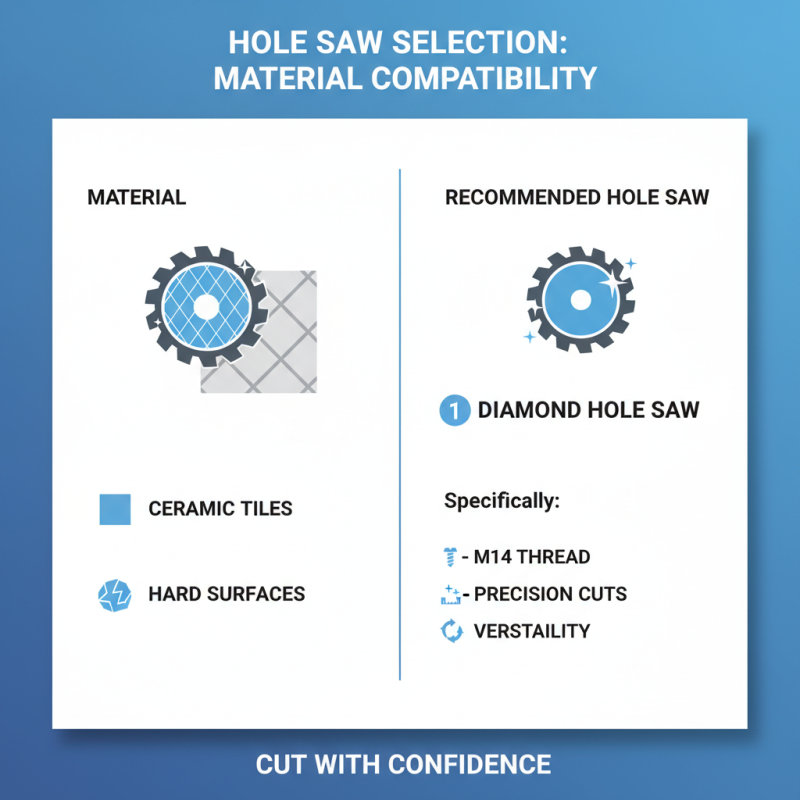
Choosing the right diamond hole saw requires careful consideration. Material compatibility plays a crucial role in your selection process. For instance, if you’re working with ceramic tiles, a diamond hole saw is an ideal choice. These saws can cut through hard surfaces with precision. The M14 Thread Diamond Hole Saw is popular for its versatility in various hard materials.
When assessing materials, think about their hardness and brittleness. A soft material like wood requires a different saw than metal or glass. Ensure you understand the specific needs of your project. Occasionally, users overlook the importance of matching the tool to the material. This oversight can lead to poor cuts and damaged tools.
Experience counts when selecting your tools. Sometimes, trial and error is part of the process. You may find that a particular diamond hole saw does not perform as expected. It’s essential to reflect on these experiences. Consider what worked and what didn’t. Each project enhances your understanding and helps you make better choices in the future.
Determining the Right Size for Your Project's Diamond Hole Saw
Choosing the right size for your diamond hole saw can greatly impact the outcome of your project. Measure the diameter of the hole you need. This ensures the perfect fit for your materials, whether it's ceramic, glass, or stone. Consider the thickness of the material too. A thicker material may require a longer drill bit for effective cutting.
When selecting size, note that a hole saw's diameter determines the hole's size directly. If you need a 2-inch hole, opt for a 2-inch saw. Simple, but often overlooked. Some might choose a smaller size to save time. However, this can lead to flaws or incomplete holes. Visualize the end product before making a decision.
Think about the depth as well. Some projects require deeper holes, while others do not. Selecting a saw with too shallow a depth can result in issues.
Avoid rushing through measurements. Patience is key in achieving accuracy and satisfaction. Always have a backup plan if the size isn’t right. Inconsistent sizing can lead to frustration. Reflect on your choices throughout the process. This awareness can enhance your results.
Evaluating Quality and Brand Options for Diamond Hole Saws
When selecting a diamond hole saw, evaluating quality and brand is vital. A high-quality hole saw can dramatically impact project success. Look for tools made from durable materials, which ensure longevity and effective performance. Cheaper options may seem attractive initially, but they often lead to frustration. Poor performance can result in wasted time and materials.
Consider the brand reputation as well. Established brands usually have rigorous testing standards. Reliable brands often provide customer support and warranties. Their experience in the market suggests they are worth the investment. However, newer brands can offer innovative designs and competitive pricing. Research customer reviews to gauge satisfaction and potential issues.
Reflecting on your needs is essential. Every project is unique, requiring different features from a hole saw. You're not just buying a tool; you're investing in the outcome. Sometimes, personal experiences with specific brands can shape preferences. While it's helpful to lean on expert opinions, always consider your specific project context. Balancing cost, quality, and brand reputation will lead to a better buying decision and project result.
Safety Tips and Best Practices for Using Diamond Hole Saws
When using a diamond hole saw, safety is paramount. Always wear protective eyewear and gloves. According to a study by the Occupational Safety and Health Administration, over 40% of injuries in construction arise from improper tool handling. Diamond hole saws can create hazardous dust and debris. Using a water cooling method can significantly reduce this risk, providing a safer working environment.
Select a Ceramic Tile Diamond Hole Saw that suits your project needs. The right size and grit are crucial for efficiency and precision. Reports indicate that using the wrong saw can lead to drill bit breakage, resulting in wasted materials and unsafe conditions. Ensure you understand the material being cut. Different materials require different techniques and tools, impacting the saw's performance.
Proper technique also plays a vital role in safety. Maintain a steady speed and do not force the tool. A study by the Manufacturing Institute showed that improper usage can reduce tool life by up to 50%. Always check the condition of your tools before starting a project. Small cracks or chips can lead to unexpected breakage, posing a danger. Reflect on your practices to ensure that safety remains a top priority in your projects.
FAQS
: They can cut through tile, glass, and stone effectively.
Select a diameter that matches your project requirements; larger sizes may impact control.
Maintain a steady pace and use water to cool the tool during use.
It builds your skills and helps prevent mistakes on your actual project.
It provides a better grip and torque, increasing drilling speed for tough materials.
Look for quality materials, brand reputation, and customer reviews before making a decision.
Yes, they reduce manual effort but can be harder to control for precise work.
Cheaper tools may seem appealing but often lead to poor performance and material waste.
Each project is unique; consider your specific needs and desired outcomes.
Yes, experts can still struggle, so it's important to embrace the learning process.
Conclusion
When selecting a Diamond Hole Saw for your project, it's essential to understand their various uses and applications. Diamond hole saws are specifically designed for cutting through hard materials like tile, stone, and glass, making them invaluable tools in construction and DIY projects. Key factors to consider include the material compatibility, size of the hole saw, and the overall quality.
Different types of Diamond Hole Saws serve specific purposes, so assessing your project's requirements will guide you in choosing the right one. Additionally, evaluating safety tips and adhering to best practices while using diamond hole saws will ensure both efficient and safe operation. With careful selection and proper usage, diamond hole saws can significantly enhance productivity and results in your work.