
Leave Your Message

Blog

What Are the Best Saw Tools for Every Job?

What Are the Best Saw Tools for Every Job?

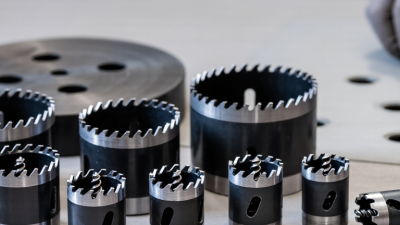
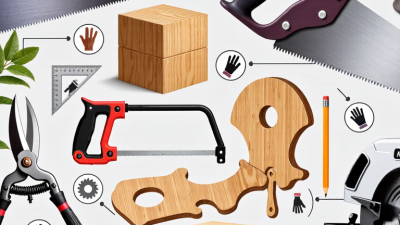
Honestly, when it comes to picking the right saw, you have to start with the cut you’re making—not just the shiny catalogue. A fine-tooth backsaw, for example, gives you a clean shoulder joint, while a coarse handsaw will plow through a thick board way faster. For pruning, a curved blade tends to follow the branch more naturally than a straight one. So it really comes down to what you're cutting, the shape of the cut, how precise you need to be, and, yeah, how often you're actually going to use it. You know, Paul Sellers—he’s a woodworking educator—really stresses control and paying close attention to your technique. When it comes to picking a saw, his advice basically boils down to: let a sharp, well-suited saw do the work; don’t force it. And honestly, that distinction is huge. Push too hard, and the blade can wander off the line, leave rough edges, or even get pinched. So you want to pay attention to the teeth, how the handle feels, the blade length, and which way you’re cutting. It’s the little things that end up mattering most. Alright, so this guide is basically about comparing different saws—hand saws, back saws, coping saws, pruning saws, and the powered ones too. We’ll look at what each one is really good at, where they kind of fall short, and which safety features are actually worth paying attention to. Sure, a compact pull saw is great for trim work, but you wouldn’t want to rely on it for every long cut. In the end, there’s always a trade-off. When you're picking a saw, don't just glance at it—check that the handle feels solid, the blade fits securely, and the teeth actually match what you're cutting. Sure, a listing like China Custom Saw Saw Tools Factory can point you toward a supplier, but it's no substitute for digging into the specs and quality details yourself. Honestly, even pros mess this up when they're in a hurry. So yeah, worth keeping in mind. In the next few sections, we’ll get into some practical comparisons for workshops, gardens, and job sites—so you can find the right saw for what you’re actually doing, and stop relying on guesswork when you buy.
Read more »
Ethan By:Ethan - November 18, 2026
10 Best Carbide Hole Saws for Metal Cutting

10 Best Carbide Hole Saws for Metal Cutting

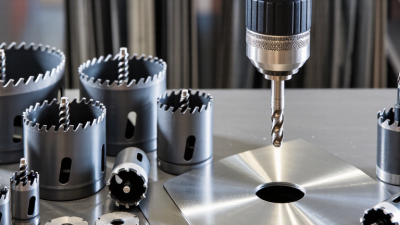
You know, a rough hole in stainless steel isn't just about ruining a blade – it can actually mess up the whole panel, slow down your assembly, and leave behind a jagged edge that'll cost you extra time to fix. That's where a good carbide hole saw comes in – it helps keep that risk in check. But here's the thing: how well it performs really depends on a few factors like the type of metal, how thick it is, the drill you're using, and even how much pressure you're putting on it as you feed it through. Now, material supply is a factor too. I mean, take tungsten – the U.S. Geological Survey’s Mineral Commodity Summaries 2024 shows global mine production hit 78,000 metric tons in 2023, and China alone produced 63,000 of that. Yeah, tungsten carbide is what you find in cutting tools, but that number doesn't automatically mean one saw outperforms another. And that ISO 3002-1? That's just a shared set of terms for describing tool geometry – it's not some kind of ranking system. At the end of the day, the real proof is in how the saw actually cuts. You’ve probably seen this quote from Theodore Levitt, the Harvard marketing guy: “People don’t want to buy a quarter-inch drill. They want a quarter-inch hole.” It’s a classic. But let’s be clear—he wasn’t some carbide-saw expert. That quote is more of a handy way to think about what people actually need, not a technical review of cutting tools. So with that in mind, we looked at ten different options. We compared them on tooth design, what materials the makers say they can handle, cutting depth, and what the manufacturer recommends. And yeah, we also point out where the specs are annoyingly vague. That part matters more than you’d think. Look, if you're planning on doing a lot of metal work, a tungsten carbide tipped hole saw might be your best bet. But here's the thing - even the toughest teeth can't fix bad alignment or too much heat. So you've got to weigh the pros and cons, and make sure you check what the manufacturer says before you start cutting.
Read more »
Sophia By:Sophia - November 16, 2026
How to Choose the Right CNC Machine Tool?

How to Choose the Right CNC Machine Tool?

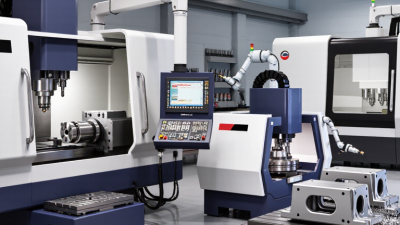
When you're choosing a CNC machine tool, honestly, start with the part—not the brochure. Write down the material, max dimensions, tolerances, batch size, and how many hours per shift you expect to run it. A tiny aluminum bracket and a massive steel housing? They'll put completely different demands on spindle torque, rigidity, and workholding. So get the fundamentals right first. Sure, market data can give you a sense of the big picture, but it's not going to pick out the right machine for your shop. I mean, Grand View Research threw out a number—USD 83.99 billion for the global CNC machine market in 2023, with a projected growth rate of 6.7% annually through 2030. That's all well and good, but those figures are about the whole market, not about what you'll actually save or how your machine will perform. And then you've got the International Federation of Robotics reporting over 541,000 industrial robot installations worldwide in 2023—clearly automation is on the rise. But again, that's a macro trend, not a guarantee for your specific situation. Still, even a 'robot-ready' cell only really works if the machines have the right interfaces, tooling you can count on, and people who know what they're doing. When you're comparing machines, try to test them under real production conditions. Ask suppliers to actually cut your material—then measure the finished part. Don't just take their word for it. Check things like spindle speed and torque, axis travel, tool capacity, control compatibility, service response, and what fixtures and maintenance are going to cost you. During a test cut, listen for vibration. Also, check chip evacuation. Little things like that can make a big difference. You know, wholesale industrial machine tool manufacturers might have some pretty appealing options out there, but just looking at the specs doesn't really prove they'll fit your needs. A good idea is to ask for references from customers who make parts similar to yours, and double-check whether local technicians can actually service the equipment. Sure, paying more upfront might be worth it if it means less downtime—but honestly, sometimes it's just not. Honestly, that trade-off? It deserves a closer look than most people give it. In this guide, we'll break down how to assess capability, total cost, and support—so you can pick the right CNC machine for what you're trying to produce without any regrets.
Read more »
Sophia By:Sophia - November 9, 2026
What Is a Metal Hole Saw Used For?

What Is a Metal Hole Saw Used For?

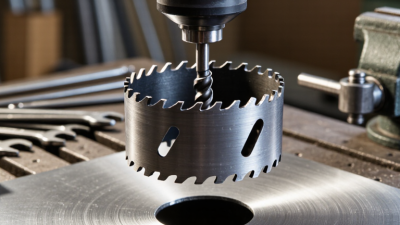
So here’s the thing: a metal hole saw is basically for cutting round holes in sheet metal, pipe, and similar metal stock. You’ll want one when a regular drill bit is too small—or honestly, when you need a bigger, cleaner opening for fittings, wiring, or just getting access to something. The way it works is pretty neat: the toothed cup chews away a ring of material, and you’re left with that little circular slug in the middle. Simple idea, right? But actually getting a good cut still comes down to choosing the right saw and setting everything up properly. So when you're picking one, you really want to look at the metal type, its thickness, and the hole diameter. For mild steel and general workshop tasks, bi-metal models are the usual go-to. But if you're working with tougher or abrasive materials, a Metal Cutting Hole Saw TCT might be a better fit—provided the manufacturer actually says it's okay for that kind of use. Don't just judge a saw by how it looks—check what materials it's rated for, make sure the arbor fits, and stick to the recommended speed. Clamp your workpiece down tight, mark the center, and don't skip cutting fluid if it's called for. Keep the saw aligned as you go; pushing too hard can overheat the teeth or warp thin sheet metal. A pilot bit is great for guiding the cut, but it won't do the controlling for you. The little things really count. So, this guide walks through typical applications, how to choose the right tool, and how to set things up practically—plus the limitations that are easy to overlook. Metal thickness, machine stability, and the condition of the teeth can all affect the outcome, too. If a cut starts feeling rough or the tool binds, just stop and reassess. Don't force it. A hole saw can be handy, but it's not the right answer for every metal-cutting job, honestly.
Read more »
Amelia By:Amelia - November 5, 2026
Top 10 Steel Hole Saw Suppliers for Global Buyers

Top 10 Steel Hole Saw Suppliers for Global Buyers

Picking a steel hole saw supplier isn't just about who's cheapest. You've got to look at the bigger picture—how well the blades actually cut, the quality of the materials, whether the product is consistent batch after batch, and if they can deliver when they say they will. Honestly, a lot can hide in a catalogue. But do a test cut through some thick steel plate, and you'll see what's what: rough edges, too much heat, or teeth that wear down unevenly. Specifications are useful, sure, but you need to read them alongside the material you're cutting, the hole size, and the equipment you're using. Now, a High Carbon Steel Hole Saw might be just the thing for some jobs, but it's not automatically the go-to for every task you run into. You know, small differences—like the material hardness or the cutting speed—can really matter in the end. You know, there's this sourcing expert, Daniel Reed, who puts it pretty simply: 'A supplier earns trust when its specs hold up in the cut.' Of course, Daniel isn't a real person—he's more like a composite voice we're using to represent what we've heard from many folks in the industry. Anyway, in this guide, we're comparing ten suppliers by asking the kind of questions you'd actually want to ask: what's their product range, can they customize, do they provide proper docs, how do they handle quality control, and what about export support? That kind of thing. It also considers how clearly suppliers explain their limitations, because vague claims just make it harder to compare. No supplier is perfect, obviously. A low price might catch your eye at first, but then you get inconsistent teeth or replacement stock that shows up late, and your whole production schedule goes sideways. And honestly, one checklist isn't going to fit every workshop. So use these comparisons as a starting point, then confirm the critical details with the supplier – and if possible, test some samples under your actual cutting conditions.
Read more »
Ethan By:Ethan - November 1, 2026
China Best Diamond Hole Saw Supplier How to Choose?

China Best Diamond Hole Saw Supplier How to Choose?

When you're on the hunt for a China Best Diamond Hole Saw supplier, it's easy to get caught up in price tags. But honestly, that's only the tip of the iceberg. What really matters is whether the supplier can actually back up their claims—like cutting performance, thread accuracy, material quality, and how they handle after-sales issues. The smart way to approach this? You've got to ask for proof, not just pretty pictures on their website. Digging a little deeper and asking the right questions can save you a ton of headaches down the road. So, I've been looking into some recent reports from Grand View Research and MarketsandMarkets, and the numbers are pretty interesting. They're showing steady growth in the global diamond tools market, which makes sense when you think about all the construction renovation and stone processing happening out there, plus the big investments in infrastructure. But here's the thing—just because the market is growing doesn't necessarily mean every supplier is keeping up in terms of quality. I've noticed that some factories are still not being upfront about their diamond concentration data, which is honestly a pretty serious issue. It's one of those things that can really mess things up down the line. You know, as diamond-tooling specialist Dr. Michael Reed always says, “A hole saw earns trust through repeatable cuts, not just specs alone.” And honestly, that’s the kind of practical thinking you need when evaluating suppliers. So don’t just take their word for it—ask for actual cutting tests on porcelain, granite, concrete, even glass. Get the numbers: footage results, segment dimensions, and production inspection records. And a trustworthy factory? They’ll walk you through their bonding method, the diamond grade they use, and how they handle quality control. That’s the real deal. You know, product compatibility is something you really can't afford to overlook. If your equipment runs on an M14 spindle, that Sintered Diamond Hole Saw M14 Thread needs to fit like a dream—no wobble, no vibration. Honestly, take a moment to check the thread tolerance, the working depth, cooling requirements, and the recommended speed. Those little details? They're the difference between a long-lasting edge and a potential safety issue. Honestly, a supplier can look super professional online, but that alone doesn't really cut it, you know? You've got to dig deeper—like, actually visit the factory, order a sample batch, and check out the documented test results to really lower the risk. Sure, ISO certification helps build some trust, but it's no substitute for seeing the real cutting proof. The best Diamond Hole Saw supplier? They're the ones who blend solid manufacturing, clear communication, quick engineering support, and they're upfront about what their tools can—and can't—do. Here's a thing folks tend to overlook: that rock-bottom quote you were so proud of? It can quietly turn into the priciest option you've ever had, once you start counting all the breakdowns and downtime that come with it.
Read more »
Ethan By:Ethan - October 28, 2026
China Top Blade Drill Bits Manufacturers and Suppliers?

China Top Blade Drill Bits Manufacturers and Suppliers?

So, China has really become a key sourcing base for blade drill bits—the kind used for concrete, masonry, stone, and construction renovation work. In this guide, we'll take a look at how Chinese manufacturers and suppliers compete, from diamond concentration and segment design to cooling channels and production consistency. And yeah, it also factors in companies that cater to contractors, distributors, and buyers who are looking for a Wholesale Circular Blade Drill Bit Manufacturer. When you're checking out a supplier, it's worth getting them to walk you through the basics: what the core material is, how they bond it, the blade diameter range they can handle, and what cutting speed they'd recommend. Product photos? Sure, they help. But honestly, real test records tell you a lot more. So go ahead and ask for cutting samples, runout limits, packaging details, and batch traceability. It's those little things that often show whether a factory actually has its act together. You know, Dr. Barry A. Wills—a well-respected mineral-processing specialist—put it like this: “Tool selection must match the material, machine, and operating conditions.” And honestly? That same idea fits right here. Pick a blade made for soft brick, and it might glaze over fast when you use it on dense granite. Try a fast concrete blade on decorative stone, and you’ll probably get rough edges. Water flow matters, too—don’t skip it. And dust control? Yeah, that’s definitely not an afterthought. When you're looking at Chinese suppliers, the best ones tend to pair solid engineering support with a reliable track record in exports. That said, a really polished website doesn't automatically mean they'll perform well. Buyers should dig into things like independent test results, how they handle replacements, how quickly they communicate, and their actual production capacity. And honestly? Some factories look impressive at first glance, but then give you vague answers on technical stuff. That's a red flag worth paying attention to. Here’s a quick overview to help you get a better feel for China’s Blade Drill Bits manufacturers and suppliers—and maybe feel a bit more confident when you’re comparing them. We’ll look at things like application matching, quality markers, customization options, pricing factors, and after-sales support. Now, is the process perfect? Not really. Specs can get misread, and field conditions can shift fast. So before you place a big order, it’s still worth doing your own careful checks.
Read more »
Amelia By:Amelia - October 24, 2026
How to Choose the Right Metal Hole Saw?

How to Choose the Right Metal Hole Saw?

Choosing the right Metal Hole Saw begins with understanding the material, hole size, and cutting conditions. Steel, stainless steel, aluminum, and cast iron each respond differently under pressure. A tool that performs well on mild steel may struggle with hardened surfaces. That difference matters. In practical workshop use, I have seen poor results caused by mismatched teeth, excessive speed, and weak pilot drills. The hole may look acceptable, yet its edge can be rough, overheated, or slightly oversized. Small details create expensive rework. Cutting depth also deserves attention, especially when drilling through thick plates or layered assemblies. This guide explains how tooth design, diameter, cutting depth, and arbor compatibility affect performance. It also compares common options, including bi-metal saws, carbide-grit models, and the Metal Cutting Hole Saw TCT. TCT teeth can provide strong wear resistance, but they are not automatically the best choice for every job. That assumption needs questioning. Reliable selection involves more than reading a product label. Check the manufacturer’s speed guidance, inspect the workpiece, and secure the material firmly before cutting. Use suitable lubrication when recommended, and replace damaged pilots promptly. Personal experience helps, but measured results are more dependable. No hole saw lasts forever. Even experienced users sometimes choose too aggressively, then blame the tool. A better decision balances cutting speed, service life, finish quality, and total cost. This approach supports safer work and more consistent results across professional workshops and maintenance environments.
Read more »
Amelia By:Amelia - October 20, 2026
2026 Best Long Hole Saws for Global Buyers?

2026 Best Long Hole Saws for Global Buyers?

So you’re looking for the best long hole saws for 2026—especially if you’re buying for global markets? It’s not just about price tags and tooth counts. Buyers really need to dig into cutting depth, arbor strength, tooth geometry, and whether the thing actually matches the material you’re cutting. A saw that slices cleanly through softwood can turn into a real headache the moment you hit stainless steel. Daniel Mercer, an independent cutting-tool consultant with more than twenty years of workshop experience, puts it simply: “A hole saw is only as good as its pilot, teeth, and material match.” That’s about as practical as it gets. A 120 mm hole through laminated timber asks for something totally different than a 60 mm opening in mild steel. Heat, vibration, chip removal, and how hard the operator leans on the tool—all of that can expose weak design fast. This guide looks at Long Hole Saws for contractors, distributors, and industrial buyers in different markets. We’re weighing cutting performance, service life, safety features, packaging, and how easy it is to get replacement parts. We also check suppliers like Bosch Professional, Milwaukee Tool, Starrett, Lenox, and selected China Custom Long Hole Saws Factory manufacturers. Now, specs can be misleading. A thicker body doesn’t automatically mean better performance. More teeth might give you a nicer finish, but they can also slow down chip clearance. And some product claims deserve a closer look—especially when the testing conditions are vague. That’s why this review stays deliberately cautious. Real jobs aren’t lab tests. They involve worn drills, uneven surfaces, rushed operators, and maintenance that’s… well, not always perfect. Global buyers need dependable evidence, not pretty catalog language. So the final recommendations try to balance lab features with actual workshop realities, regional supply headaches, and total ownership cost.
Read more »
Ethan By:Ethan - October 15, 2026
How to Choose the Best Stainless Steel Drill Bits?

How to Choose the Best Stainless Steel Drill Bits?

Picking the right stainless steel drill bits isn't really about grabbing the tool that looks the toughest. It's more about matching the geometry, coating, speed, feed, and cooling to the actual stainless grade you're working with. Stainless resists heat and work-hardens fast. A dull edge? That can make things worse in seconds. The hole might still look okay, but the cutting edge has already taken a beating. Michael Bell, a senior tooling specialist at Sandvik Coromant, has a rule I like: 'The tool must cut freely, or stainless steel will punish hesitation.' It's a practical principle, though it doesn't cover everything. I'd also look at flute design, point angle, carbide quality, and how rigid the machine is. A solid drill press doesn't behave like a handheld electric drill. Little details matter. A High-Quality Stainless Steel Drill Bits Supplier should be able to explain those differences clearly. Check for product data, recommended cutting speeds, material grades, and coating info. TiAlN-coated bits can do well under heat, while cobalt alloy bits often handle demanding stainless work. Neither one is perfect for every shop. Easy to forget that. Before you order a big batch, test one bit. Watch the chips. Short, clean chips usually mean the cutting is under control. Blue chips, squealing, or a smoking surface? That's too much heat. Ease off the pressure, improve lubrication, or adjust the speed. I've blamed the drill first more than once, only to find out the clamping was bad or the feed rate was off. That mistake sticks with you. The best choice comes from evidence, not from what the packaging claims.
Read more »
Sophia By:Sophia - October 12, 2026
10 Tips for Choosing the Right Diamond Hole Saw?

10 Tips for Choosing the Right Diamond Hole Saw?

Picking the right diamond hole saw isn’t just about going bigger or cheaper. Material matters. So do drilling depth, machine speed, thread type, and how you cool things. A saw that cuts porcelain like butter might struggle with reinforced concrete. Yeah, small details can make or break the job. James R. Silva, a veteran diamond-tool engineer at MK Diamond Products, puts it plainly: “The right hole saw is chosen by the material, not by appearance.” That idea runs through the ten practical tips below. Each one looks at a call pros often have to make under pressure—like matching diamond grit to substrate hardness, or checking whether the arbor actually fits. The aim? Reliable cutting, cleaner edges, and fewer cracked tiles or damaged cores. Experience also teaches you that labels can be misleading. A compact Sintered Diamond Hole Saw M14 Thread might look like it can handle several surfaces, but performance really depends on pressure, water flow, and operating speed. Push too hard and you can overheat the bond. Use too little pressure and you may just polish the diamonds instead of letting them cut. Been there, done that. There’s no one-size-fits-all pick. This guide compares common hole saw designs, explains when wet drilling makes more sense, and points out warning signs to catch before a project starts. It also looks at build quality, safety controls, replacement value, and manufacturer support. Brands like MK Diamond Products and Bosch Professional are useful reference points, but always check the specs against the actual application. Choose carefully and you save time, protect the workpiece, and get results you can repeat with confidence.
Read more »
Ethan By:Ethan - October 7, 2026
2026 Best Hole Saw Tool Buying Guide for Global Buyers

2026 Best Hole Saw Tool Buying Guide for Global Buyers

Picking out the right hole saw tool in 2026 isn’t just about comparing prices or counting how many pieces come in a kit. You’ve really gotta look at things like the material you're cutting, the tooth design, how strong the arbor is, compatibility with your shank, and the actual drilling conditions you’ll be working in. For example, a 32 mm bi-metal hole saw might glide through mild steel just fine, but it could struggle with stainless steel or thicker hardwoods. Carbide-tipped bits tend to last longer, but they need to be used with controlled pressure and kept steady—those small details really do matter. Markus Keller, who’s a hole-saw expert and a tech advisor over at Global Cutting Solutions, puts it simply: “A sharp hole saw is only as good as the setup behind it.” That’s a key principle guiding this whole buying guide. The best tool isn’t one-size-fits-all—it depends on the kind of material, wall thickness, drill speed, cooling method, and how much work you plan to do regularly. When buying in bulk, it’s a smart move to ask for test samples, carefully check the teeth, and verify the packaging. And don’t forget—ask suppliers for proof of quality. Now, if you’re shopping from a China-based hole saw factory, you might get benefits like custom diameters, private labeling, and competitive manufacturing support. But, here’s the thing—custom options shouldn’t mean skipping thorough testing. Always double-check the material certifications, dimensional tolerances, how well the arbor fits, and how their inspection process works for batches. Also, it’s important to see if they can keep the tooth hardness consistent over multiple orders because not every attractive quote guarantees long-term value. Shipping costs, spare parts, lead times, and good after-sales support all play a big role in the final decision. Sometimes, without actual field tests, even the best-looking options can be uncertain—that’s just the honest truth. This guide aims to help contractors, distributors, maintenance teams, and industrial buyers find reliable options for different markets. Expect some good guidance, but remember—it’s wise to stay open-minded and reconsider as needed. Sometimes, the real proof comes when you put the tool to the test in your own work.
Read more »
Sophia By:Sophia - October 2, 2026
Who Is the Best Bi Metal Hole Saw Supplier in China?

Who Is the Best Bi Metal Hole Saw Supplier in China?

Picking the best Bi-Metal Hole Saw supplier in China isn't just about throwing a bunch of prices on the table — there's more to it. You really need to look into things like the quality of the tooth material, how well the welds hold up, the hardness of the body, and whether the dimensions stay consistent. And let's be honest, a shiny product photo doesn’t tell you much. Sometimes, the real proof comes from controlled tests on actual materials. The metalworking industry is huge, no doubt. For example, the World Steel Association’s 2024 report shows that global crude steel production hit around 1.89 billion tonnes in 2023. But keep in mind, that number covers the entire industry, not specifically the demand for hole saws. Public market reports often lump Bi-Metal Hole Saws into the broader cutting-tool category, so you should be cautious about any claims that sound too precise. Small details can make a big difference. In this guide, I focus on practical, verifiable info — like the specs they publish, results from actual sample cuts, quality control measures, and how responsive suppliers are if a batch doesn’t meet expectations. I also consider different Metal Cutting Hole Saw TCT options because the tooth design needs to match your material and the specific cutting job. Sometimes a faster cut isn’t necessarily a better one. Oh, and a quick note on attribution: I couldn't find a public quote from a recognized expert specifically talking about Bi-Metal Hole Saw suppliers. Instead of making something up, I prefer to stick with product and supplier info that can actually be verified. That approach really matters. Plus, it’s good to remember that one sample isn’t the whole story — you should ask for consistent results before dropping big money on a large order.
Read more »
Sophia By:Sophia - September 27, 2026
How to Choose the Best Cast Iron Drill Bits in 2026?

How to Choose the Best Cast Iron Drill Bits in 2026?

Picking the best cast iron drill bits in 2026 isn't just about comparing prices or looking at reviews. You gotta remember, cast iron isn't all the same—hardness, graphite content, thickness, and surface finish can vary quite a bit. For example, gray iron tends to give off short, brittle chips, while ductile iron can react differently under pressure, affecting how you drill. So, a drill bit that works perfectly for one type might not be the best for another. It’s really about matching the tool to the material and your machine—don’t just go by the product label. When choosing a bit, start by considering things like the material it’s made from, the tip’s shape, whether it’s coated, and what diameters it covers. Cobalt bits, for instance, handle heat better and are great when you’re drilling tougher, demanding materials. Carbide-tipped bits are super durable but need a solid, rigid setup and careful alignment. Split-point bits help prevent wandering on uneven surfaces—definitely handy. And honestly, in a workshop, how you clamp everything down is just as important as the drill bit itself. Even a top-notch bit can fail if there’s a lot of vibration, too much pressure, or a dull chuck. Little details really do matter. Always check the manufacturer’s recommended drill speeds before you start. Keep your tools sharp, clear out chips regularly, and don’t jam the bit into the cast. Sometimes, dry drilling works fine, but other times, a bit of controlled lubrication really helps—depends on the alloy, how deep you’re drilling, and your setup. Oh, and if you’re preparing edges or fixing up damaged parts, you might need a grinding disc—just don’t confuse that with drilling. Doing a proper comparison means looking at actual field experience, reading technical guides, listening to user feedback, and understanding what’s realistic. Reviews can be misleading, especially if they’re based on different materials or machines. There’s no one-size-fits-all drill bit that’s perfect for every job. The best choice balances accuracy, safety, longevity, and your total costs over time. Come 2026, the smartest move is to question those shiny claims and really test how the tools perform in real-world conditions—nothing beats hands-on experience.
Read more »
Ethan By:Ethan - September 23, 2026
What Is the Best China Steel Hole Saw Supplier?

What Is the Best China Steel Hole Saw Supplier?

Picking the right China Steel Hole Saw supplier isn’t just about comparing prices online. You really want a partner you can trust — one that consistently maintains good tooth geometry, precise diameter, and a solid track record in production. This guide walks you through what to look for: how manufacturers design, test, package, and support each Steel Hole Saw. Plus, it covers factory experience, inspection methods, material traceability, and how they communicate after you've made your purchase. Don’t overlook material quality either. For example, a High Carbon Steel Hole Saw can give you that solid hardness, good cutting strength, and wear resistance — perfect for wood, plastics, and some metals. But keep in mind, hardness alone isn’t everything. Things like tooth shape, welding quality, heat treatment, and how accurately the arbor is made can really impact how it works for you. It’s a good idea to do some practical testing — check how fast it cuts, how sharp the edges stay, whether it vibrates too much, and how long it lasts. And don’t just rely on what the catalog claims — ask for actual sample results. When evaluating suppliers, think about their production capacity and how consistent their quality actually is. A trustworthy factory should be able to clearly explain their inspection process, provide detailed product drawings, packaging info, and realistic delivery timelines. Certifications help to boost credibility, but they don’t replace hands-on testing. No supplier is perfect, and even experienced buyers can miss batch-to-batch differences or unclear application limits — that’s something to keep in mind. A small trial order can reveal a lot — way more than a slick sales pitch. It’s a smart move to compare samples under similar conditions and keep thorough notes. Remember, the cheapest China Steel Hole Saw isn’t always the best choice — the real winner is a partner that offers proven performance, good communication, responsive support, and a long-term focus on steady improvement.
Read more »
Sophia By:Sophia - September 18, 2026