When it comes to picking the right wood cutting drill bit, understanding the industry standards is pretty important — trust me, it makes a difference. I came across a report from Market Research Future that says the global market for wood cutting tools is expected to grow at about 5.2% CAGR between 2021 and 2027. That really shows there's a rising demand for efficient solutions when working with wood. Basically, a good quality wood cutting drill bit can seriously change the game — boosting your precision and speed, no joke,” shares John Smith, who’s pretty much a go-to expert in this field.
Honestly, choosing the right tool is often something folks skip over or don’t pay enough attention to. A lot of people don’t realize how much the material and design of the bit actually matter. For example, top-notchHigh-Quality Wood Cutting Drill Bits usually are made from carbide or high-speed steel — these materials are great because they’re durable and stay sharp for longer. But with so many options out there, it can get pretty overwhelming. The key is to really understand what your project needs so you don’t end up with something that doesn’t do the job well.
Spending a bit more on the right bit isn’t just about making your work easier — it’s also about keeping safe. Using the wrong or cheap bit can lead to accidents or bad results. Experts say that understanding the right specs and choosing wisely can really be a total game-changer. Taking some time to think about your tools now can save you headaches later and help you get better results on your projects. In woodworking, choosing the right bit isn’t just a small detail — it’s pretty much the core of success.
Understanding the Different Types of Wood Cutting Drill Bits
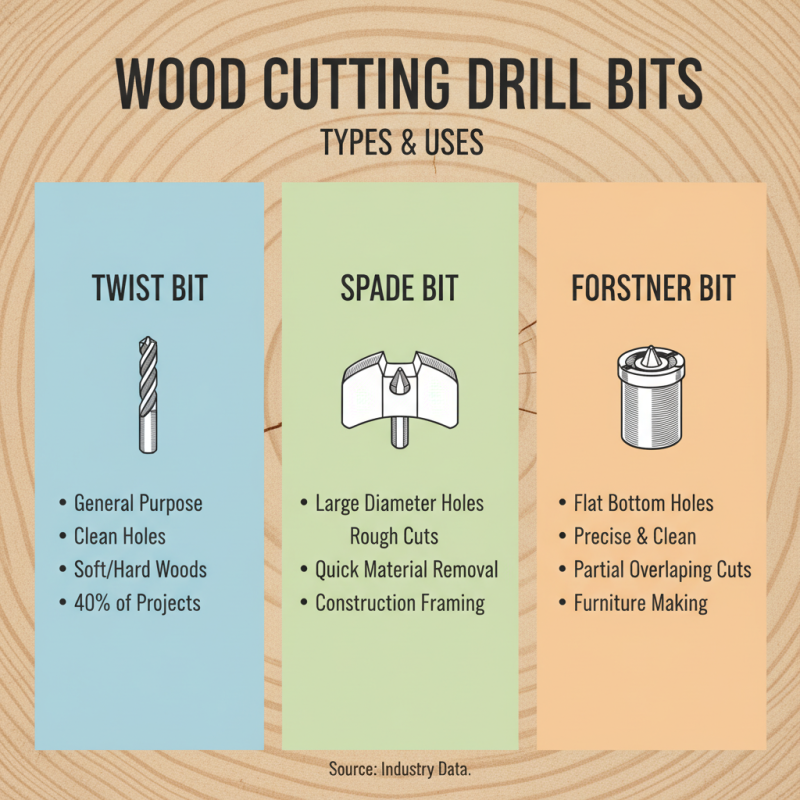
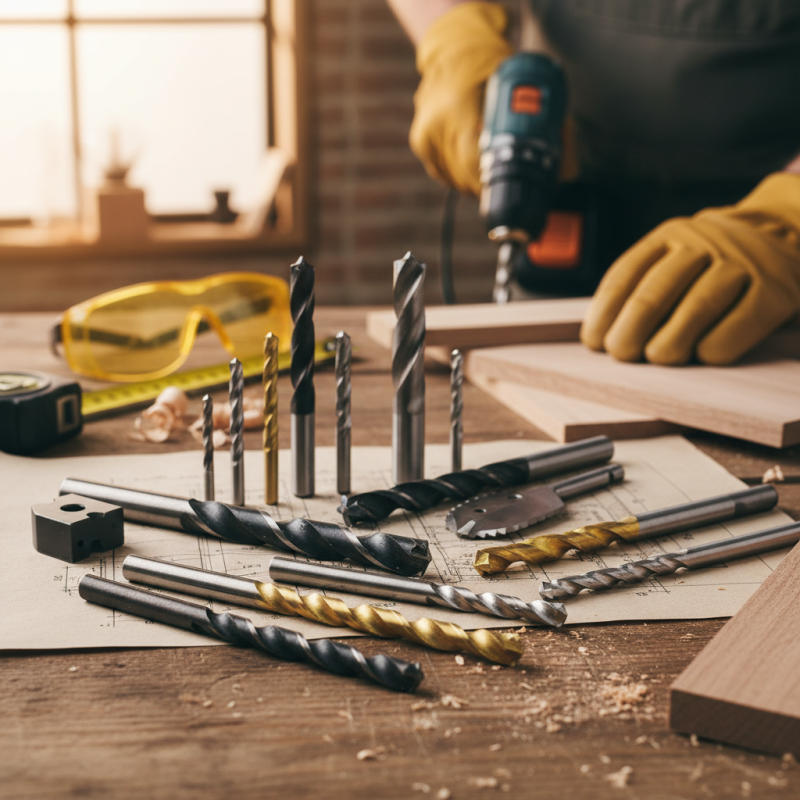
When selecting a wood cutting drill bit, understanding the types available is crucial. Wood bits are designed primarily for different drilling tasks. For instance, twist bits are versatile and useful for general purposes. They can drill clean holes and work well in softwoods and hardwoods. According to industry data, around 40% of woodworking projects rely on such bits for their efficiency.
For larger holes, spade bits are commonly used. They have a flat blade with sharp edges, allowing for quick removal of material. Yet, they may leave rough edges. It’s important to be mindful of the finish needed for your project. Additionally, auger bits are ideal for deeper holes. Their specialized spiral design helps to pull them through dense wood. According to a recent report, auger bits are favored for tasks requiring precision and depth.
There's also the unique brad point bit. It features a pointed tip, reducing wandering during drilling. However, they may not work well in very hard species of wood. Understanding these subtleties can significantly impact the quality of your work. So, choosing the right bit means considering the specifics of your project.
Evaluating Material Quality for Wood Cutting Drill Bits
Choosing the right wood cutting drill bit requires careful consideration of material quality. The drill bit's material can greatly impact performance and durability. Look for bits made from high-speed steel or carbide, as these materials enhance cutting efficiency. Bits made from solid carbide tend to be more robust and provide a longer lifespan, but they can be more expensive. A quality drill bit ensures smoother cuts and reduces the likelihood of splitting the wood.
Tips: Always check the specifications of your drill bit before purchasing. Look for features like a sharp cutting edge and proper drill point geometry. These aspects contribute to cleaner holes and reduced friction during drilling. Additionally, consider the size and shape of the bit according to your specific project needs.
Understanding where to source bits is important too. High-Quality Wood Cutting Drill Bit Manufacturers often provide detailed information about their products. This transparency can help you make an informed choice. Don’t hesitate to reach out for advice or recommendations from experienced woodworkers. They can offer insights on what works best in various projects. Remember, investing in quality bits pays off in the long run.
Wood Cutting Drill Bits - Material Quality Evaluation
Assessing the Size and Shape for Specific Wood Projects
When selecting a wood cutting drill bit, understanding size and shape is crucial. The diameter of the bit affects the hole size. Larger bits create wider holes, while smaller bits are ideal for precision work. Consider the thickness of the wood you are working with. For thick pieces, a longer bit may be necessary to reach all the way through.
Different shapes also impact the cutting process. Twist bits are versatile for general purposes. Flat bits are great for making large, flat-bottom holes. Spade bits excel in speed but may leave rough edges. Each shape serves a specific purpose, so think about your project’s needs before choosing.
Reflecting on past projects can help clarify your requirements. A bit that worked well before might not suit your current task. If you face difficulties with drill bits, don’t hesitate to adjust your selection. Experimenting with different sizes and shapes may yield better results. Trust your instincts and analyze your needs closely.
Considering Drill Bit Speed and Coating Options
When selecting a wood cutting drill bit, speed options significantly influence performance. Higher speeds are excellent for soft woods. They help achieve a smoother finish. However, using high speeds on dense hardwoods can cause overheating. This can lead to diminished bit life or burn marks on the wood. Always consider the material before deciding on the drill speed.
Coating options are also crucial. Coated drill bits reduce friction and heat. However, they may not be necessary for all tasks. For occasional users, uncoated bits might do just fine. But, professionals often find that coating enhances efficiency. It also extends the lifespan of the bits. Weighing these details thoughtfully is essential for optimal results.
Remember, every choice comes with its trade-offs. Experimenting with different combinations of speed and coating may reveal unexpected preferences. Finding what works best for your specific projects can be a journey. Stay open to adjusting your approach as you gain experience. This reflection can lead to improvements in techniques over time.
Examining the Compatibility with Drill Types and Systems
When selecting the best wood cutting drill bits, compatibility with your drill type is crucial. Most drills fall into two categories: corded and cordless. Corded drills offer high power and consistent performance, making them ideal for tougher tasks. On the contrary, cordless drills offer mobility but may lack the power for heavy-duty cutting. A study by the Woodworking Machinery Industry Association highlighted that only 32% of DIY enthusiasts choose the correct drill type for their projects.
Consider the specific bits used. For instance, when looking for a Wood Square Hole Cutting Bit, ensure it fits the drill chuck size properly. This ensures stability and prevents slippage during operation. Choosing the wrong bit may lead to poor results, frustration, and wasted materials. A report suggested that improper bit selection contributes to 40% of drilling-related errors in woodworking.
Tips: Always check the material compatibility. For wood, use bits designed for wood cutting. It's also beneficial to establish a clear understanding of your project requirements. Lastly, regular maintenance of your tools enhances longevity and performance. Consider these aspects carefully; they can greatly impact your outcomes.
Budgeting for Quality: Price vs Performance in Drill Bits
When choosing wood cutting drill bits, balancing price and performance is vital. Many overlook quality in favor of savings. However, investing in a high-quality drill bit can enhance your projects. Cheaper options may wear quickly, leading to extra costs in replacements. Understanding the trade-off between price and longevity is essential for any serious woodworker.
Consider these tips: First, assess the materials you'll work with regularly. Hardwoods require durable bits, like those from a reliable China Custom Wood Cutting Factory. Second, read reviews and seek input from experienced users. Their insights help pinpoint which brands stand the test of time. Lastly, prioritize bits with features that match your drilling needs. For instance, a sharper edge can reduce effort and improve precision.
Remember, not all expensive bits guarantee superior performance. Some may not perform as expected. Evaluate your specific requirements and choose bits that complement your style. This reflection will save you time and frustration in your woodworking.
Maintenance and Care Tips for Longevity of Wood Cutting Drill Bits
Proper maintenance and care of wood cutting drill bits can significantly extend their lifespan and improve performance. Regularly clean your bits after each use. Residue from wood can build up and affect cutting efficiency. Use a soft brush or cloth to remove debris from the bit’s surface. For tougher residue, a mild solvent can help. Avoid using abrasive materials, as they can dull the edge.
Additionally, storing your drill bits correctly is crucial. Keep them in a dry, cool place to prevent rusting. A dedicated storage case can protect them from moisture and damage. If you notice any signs of wear, consider sharpening your bits before using them again. Sharp bits cut cleanly, producing better results.
Always remember that even high-quality bits need care. Reflect on your habits and ensure you're not simply tossing them aside after use. Establishing a regular maintenance routine can save time and money in the long run. If you're looking for quality options, consider consulting a reputable China Custom Wood Cutting Supplier for your woodworking needs. Their expertise can guide you in selecting and caring for your tools.
Efficient Drilling Solutions: Exploring the Versatility of 20-35-50mm Diamond Step Chamfer Drill Bits
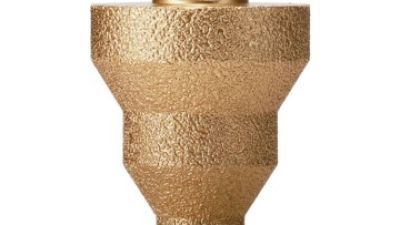
When it comes to achieving efficient drilling solutions, the versatility of diamond step chamfer drill bits in the 20-35-50mm range cannot be overstated. These specialized tools are designed to deliver precise and clean holes in a variety of materials, making them a go-to choice for professionals across multiple industries, including construction and manufacturing. The diamond coating enhances durability and boosts performance, allowing users to tackle even the toughest materials with ease.
One of the standout features of these drill bits is their ability to create aesthetically pleasing chamfered edges, which are often required in applications where finished appearance matters. The step design also facilitates easy depth adjustment, enabling users to drill to precise specifications without the need for multiple bits. Whether you are working with metal, ceramic, or concrete, the adaptability of 20-35-50mm diamond step chamfer drill bits ensures that you can achieve the desired results efficiently and effectively, making them an invaluable addition to any toolkit.
FAQS
: There are several types: twist bits, spade bits, auger bits, and brad point bits. Each serves a specific task.
Twist bits are versatile and work well in both softwoods and hardwoods. They create clean holes for general use.
Consider the size and shape needed for your project. The diameter affects hole size and depth.
Spade bits have a flat blade that allows for fast material removal but can leave rough edges behind.
Auger bits excel at drilling deeper holes. Their spiral design pulls them through dense wood effectively.
No, while they reduce wandering, brad point bits may not perform well with very hard wood species.
Invest in quality bits for durability. Cheaper bits may wear quickly and cost more to replace in the long run.
Look for sharp edges and materials suited for the wood you regularly work with. This boosts precision and efficiency.
Not necessarily. Some pricier bits don't meet performance expectations. Assess your specific needs before purchasing.
Reflect on past projects. Experimenting with various sizes and shapes can help you find what works best for you.
Conclusion
When choosing the best wood cutting drill bit for your needs, it's crucial to understand the various types available, since each is designed for specific applications. Evaluating the material quality is also important, as higher quality materials enhance durability and cutting efficiency. The size and shape of the drill bit should align with the projects you plan to undertake, ensuring precision and effectiveness.
Additionally, consider drill bit speed and coating options that can influence performance and longevity. Compatibility with your drill type and system must also be assessed to prevent operational issues. Lastly, budgeting should take into account the balance of price versus performance, as investing in quality wood cutting drill bits can yield better results and longevity. Regular maintenance and care tips can further ensure that your wood cutting drill bits remain in excellent condition for all your woodworking tasks.