Picking the right machine tool can really make or break your project’s success. Whether you're just a hobbyist messing around or a pro in the field, having the right gear makes all the difference—boosting efficiency and actually making the work easier. Plus, it’s not just about the end result; the right tools also help keep things safe and stress-free in your workspace.
When you’re choosing a machine tool, think about what your project specifically needs. What kind of materials are you working with? For instance, if you’re doing some fine work on tough surfaces, a Power Tool Chisel for Hammer might be just what you need. Also, make sure the tool feels comfortable in your hand—that can help you avoid fatigue and give you better control, especially when you’re at it for hours.
Not all tools are created equal, though. Some might cost a bit more but still don’t perform as well as you’d hope. That’s usually what leads to frustration, right? So take some time to read up on specs and look through user reviews. Honestly, it’s good to ask yourself what you genuinely need versus what everyone’s marketing hype says you do. And hey, don’t worry if you mess up along the way—those mistakes are just part of learning and can actually help you make smarter choices down the line.
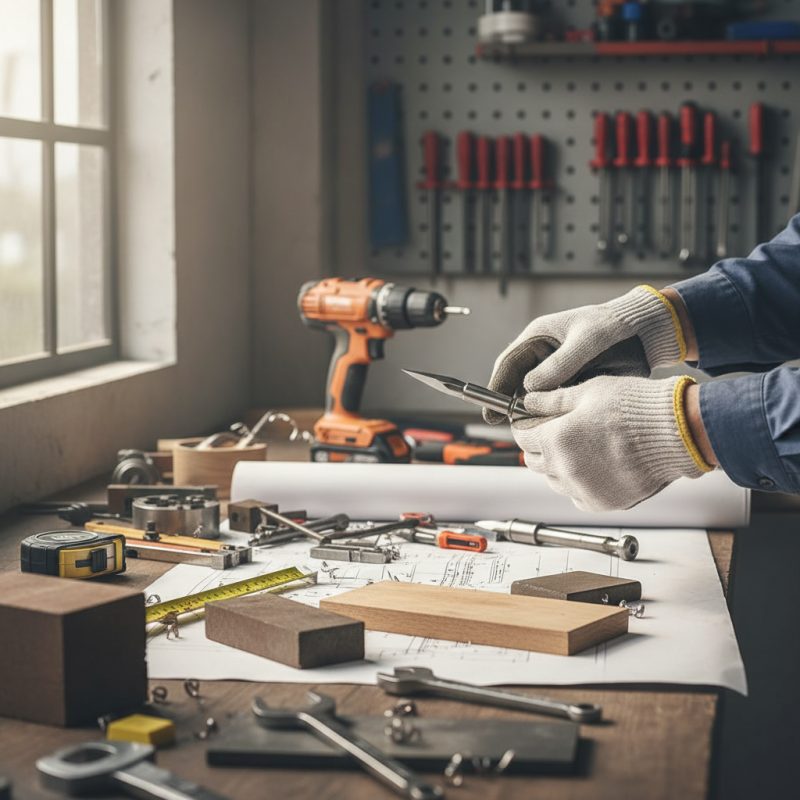
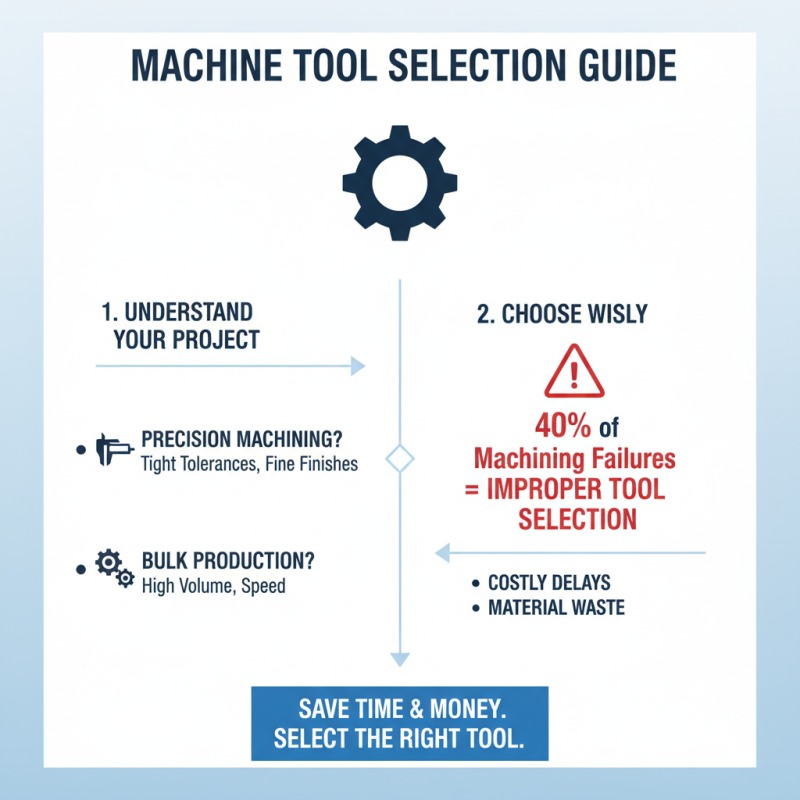
Choosing the right machine tool starts with understanding your project's specific needs. Are you working on precision machining, or is bulk production your goal? According to a recent industry report, about 40% of machining failures stem from improper tool selection. These missteps can lead to costly delays and material waste.
Consider the materials you'll work with. Each metal or composite has unique requirements. For instance, aluminum necessitates different tool specifications compared to steel. About 70% of manufacturers reported that selecting the wrong tooling increases production time. Analyze your project specifications carefully. Will your tool need to withstand extreme conditions or maintain tight tolerances?
Additionally, assess your operational capabilities. Equipment compatibility matters greatly. Even with top-tier tools, improper setup can ruin productivity. A lack of user training on tools can lead to oversights. Remember that investing in the right tool doesn’t guarantee perfect results. Continuous reflection on operational processes is vital to achieve efficiency.
When selecting machine tools, it's essential to identify the types available. Each tool serves unique purposes. For woodworking, consider routers or lathes. For metalworking, milling machines and lathes are common choices. They allow precision shaping and cutting.
Granite Chamfer Milling Tool is versatile for granite and stone work. It creates smooth edges efficiently. This tool is crucial in achieving the desired finish. It can be challenging for beginners. Learning to use this effectively takes time and practice.
Don’t forget about safety measures. Different tools have various safety requirements. Understand how to handle them properly. Mistakes can lead to accidents. Always wear protective gear and ensure your workspace is secure. Understanding these details can enhance your project outcomes significantly.
Choosing the right machine tool for your projects can be daunting. One of the most critical factors is evaluating tool material and durability. Different materials offer varied advantages. For instance, carbide tools are known for their hardness but may fracture under extreme conditions. Steel tools are resilient but might wear out quickly in heavy use.
Consider the specific demands of your project. A project requiring precision may benefit from tools made of high-speed steel. These tools can maintain sharpness longer, reducing downtime. On the other hand, if your work involves heavy machining, investing in tools with a tougher finish may yield better results. Many users overlook this aspect, leading to frequent replacements and unexpected costs.
Reflecting on your previous tool choices can reveal patterns. Did you prioritize cost over quality? It’s easy to fall into that trap. However, purchasing the right materials may save time and improve the quality of your finished work. Durability should never be underestimated; a tool that withstands the test of time is worth its weight in gold.
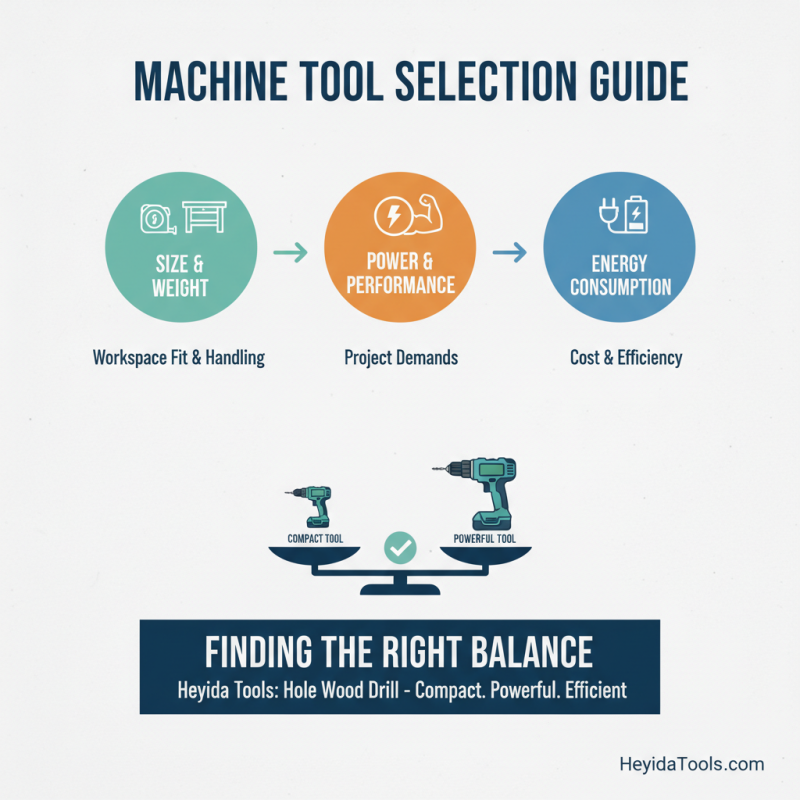
When selecting a machine tool for your project, size, weight, and power consumption are crucial. A smaller tool might fit your workspace better. However, will it deliver the required power? The Hole Wood Drill Tool is compact, yet its effectiveness hinges on finding the right balance. You want something that's easy to handle but can still perform well.
Weight matters a lot during prolonged use. A heavy tool may cause fatigue. Yet, a too-light tool might not provide the control needed for precision work. Think about how you will handle the Hole Wood Drill Tool during your project. Will you be drilling multiple holes, or are you focused on a single task? These questions can guide your decision.
Power consumption is often overlooked. High-powered tools can drain your resources quickly. You might feel tempted to go for the most powerful option, but consider your energy budget. Will that high power translate into better results? Reflecting on these aspects is important for avoiding regret later in your project. The right tool should align with both your needs and your limitations.
Choosing the right machine tool requires a deep understanding of your budget. The initial price is just the start. Consider maintenance, repairs, and operation costs over time. These can significantly affect your total expenditure. Always account for unexpected repairs, which can be costly.
Tips: Start by estimating your annual upkeep costs. Look into machine reliability and longevity. Cheaper tools may break down more often, leading you to spend more in the long run. Think about training costs as well, especially if the machine is complex.
Reflect on your specific projects. Are you working on large-scale productions or small custom jobs? Different needs can dictate different budget allocations. Ignoring these factors may lead to overestimating what you can afford. Take your time during the decision process. A hasty choice can hurt your project's success and your wallet.
| Machine Tool Type | Initial Cost ($) | Operating Cost/Year ($) | Maintenance Cost/Year ($) | Total Cost of Ownership (5 Years) ($) |
|---|---|---|---|---|
| CNC Milling Machine | 30,000 | 4,000 | 1,500 | 56,500 |
| Lathe Machine | 25,000 | 3,500 | 1,000 | 49,500 |
| Digital Printing Machine | 20,000 | 2,500 | 800 | 38,100 |
| Wire EDM Machine | 50,000 | 5,000 | 2,000 | 87,000 |
| Injection Molding Machine | 40,000 | 6,000 | 1,500 | 70,500 |
When choosing a machine tool, user reviews can be a valuable resource. They provide genuine insights into the durabilityand performance of various tools. Look for reviews that discuss real experiences, rather than just technical specifications. For instance, a user might mention how aVacuum Brazed Diamond Tool for Metal performed during specific tasks.
Checking multiple sources is crucial. Some reviews may be overly positive or negative. Cross-referencing helps establish reliability. You may find comments about tools failing unexpectedly. Such insights can highlight potential issues you might face.
Consider also the long-term user satisfaction. A tool may work well initially, but what about durability? Users often reflect on their experiences over time. This information can be key in avoiding a poor investment. Remember, the right tool can significantly enhance your project, but understanding the experiences of others takes time and effort.
When choosing the right machine tool for your projects, ensuring the availability of replacement parts is vital. A study by the Association for Manufacturing Technology indicates that machine downtime can cost firms over $300,000 per hour. With this in mind, your crushing machine should come from a manufacturer that offers comprehensive support services.
Many operators overlook after-sales support. A solid warranty and quick access to parts can reduce delays significantly. In fact, 75% of companies report that having a reliable source for replacement parts minimizes project disruptions. Investing in tools from suppliers with proven track records in parts availability is crucial for long-term productivity.
Consider the supply chain for your chosen machine tool. If parts are sourced internationally, lead times may extend, especially during global disruptions. A machine without accessible parts can become a liability. Transparency in lead times and access to local distributors can enhance operational efficiency. Always evaluate potential manufacturers based on their commitment to customer support.
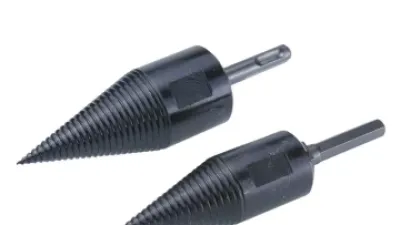
When it comes to effective wood splitting, the drill bit chop tool stands out as an innovative solution for efficiently breaking logs. This specialized wood splitting tool, designed with a splitting cone shape, offers a unique approach to splitting firewood, making the task significantly easier and quicker than traditional methods. By attaching this tool to a power drill, users can harness the force and speed needed to tackle tough logs with minimal effort, enhancing both convenience and productivity.
The drill bit chop tool operates by penetrating the wood fibers and applying force at a concentrated point, allowing it to split the log effortlessly. This method not only reduces the physical strain often associated with wood splitting but also ensures a cleaner split, resulting in uniformly sized pieces of firewood ideal for burning or storage. Whether preparing for a cozy night by the fireplace or for an outdoor gathering, this efficient log breaking machine is a quintessential addition to any woodworker's toolkit. Embracing such technology can transform a labor-intensive chore into a simple and efficient process, making wood splitting accessible to everyone, irrespective of their experience level.
: Services can include personal training, fitness classes, and nutrition coaching. Each service helps individuals reach their fitness goals.
Training frequency depends on personal goals. Generally, 3 to 5 times per week is common for many individuals.
Yes, beginners are welcome. Many programs are designed to accommodate all fitness levels and adjust based on experience.
Generally, there are no strict age limits. However, certain programs may have recommended age ranges for safety reasons.
Wear comfortable, breathable clothing that allows for movement. Proper footwear is essential to prevent injuries.
Set small, achievable goals. Tracking progress and finding a workout buddy can also boost motivation significantly.
Missing a session isn't uncommon. Reflect on what caused it and try to plan better for the future.
Nutrition plays a crucial role. Balanced meals can enhance performance and recovery, while poor choices may hinder progress.
Yes, feeling fatigued can be normal as your body adjusts. Listen to your body and allow for adequate recovery times.
Choosing the right machine tool for your projects involves several critical considerations. First, it's essential to understand your project's specific needs and specifications, as this will guide you in selecting the appropriate type of machine tool. Different machine tools serve various functions, so identifying these options is crucial. Equally important is evaluating the material and durability requirements, as they will impact the longevity and performance of the tool.
Moreover, practical factors like size, weight, and power consumption must be taken into account to ensure that the machine tool fits your workspace and operating conditions. Budget considerations are also vital; evaluating the total cost of ownership will help you make a financially sound decision. Additionally, researching brands and user reviews provides insight into the reliability of the tools, while ensuring the availability of replacement parts and support services is important for long-term maintenance and functionality. By carefully analyzing these aspects, you can select a machine tool that meets your project's demands effectively.