You know, the demand for top-notch tools is just keeps growing across pretty much all kinds of industries. Out of all of them, the Steel Hole Saw really stands out because it’s both efficient and built to last. I read somewhere—IBISWorld, I think—that the US market for Hole Saws hit a billion dollars in 2023. Crazy, right? It just shows how much folks are relying on precise cutting tools these days. Brands like Milwaukee and Bosch are definitely leading the charge, offering a variety of options for different jobs.
If you go for a High Carbon Steel Hole Saw, you’re pretty much set for durability and better performance. High carbon steel is known for being tough and resistant to wear and tear. But here’s the thing—not all products out there are up to par. Some get made with inconsistent methods, which can lead to poor results, not to mention safety issues.
Most pros will tell you they get pretty annoyed with the unreliable options available. Things like misaligned teeth or weak welds in some models can turn what should be a smooth job into a hassle. That’s why it’s so important to be picky and really look into what you’re buying—skipping that step can lead to costly mistakes. In the long run, investing in quality steel Hole Saws usually pays off because it saves you time, money, and frustration. Okay, maybe that sounds obvious, but trusting the right tools really makes a difference and is something many in the industry seem to keep in mind.
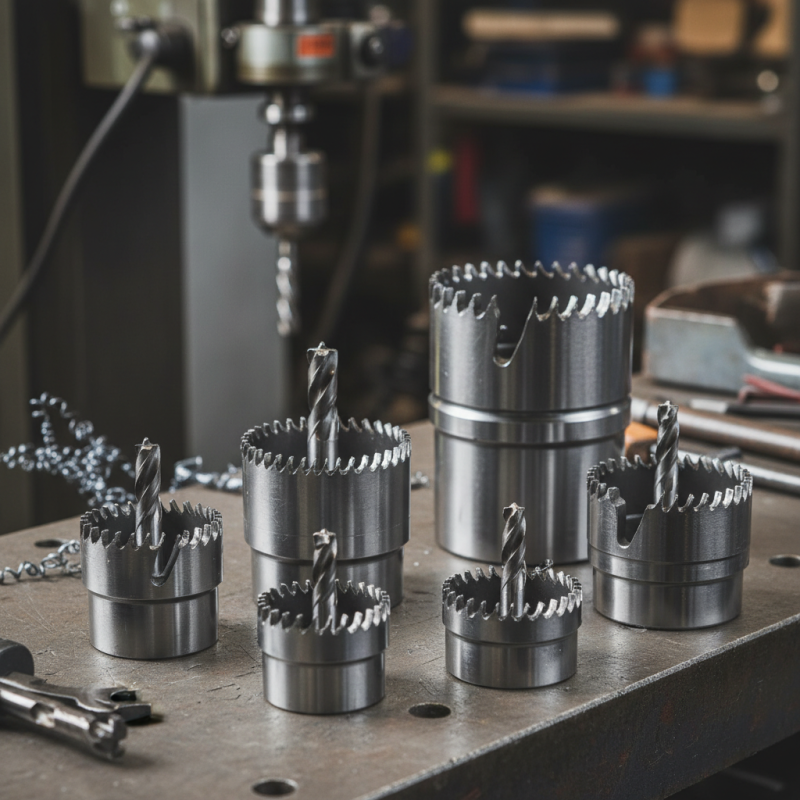
What is a High-Quality Steel Hole Saw and Its Applications?
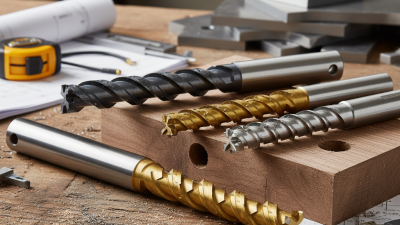
High-quality steel Hole Saws are essential tools in various applications. They cut precise holes in wood, metal, and plastic. The material used in these Hole Saws greatly affects their performance and durability. Steel provides strength and resistance to wear. A well-designed Hole Saw will maintain its sharpness even after several uses.
Applications of steel Hole Saws are diverse. They are commonly used in construction, plumbing, and automotive fields. For instance, in plumbing, they help create clean holes for pipes. In woodworking, they allow artisans to make intricate designs. However, creating a quality Hole Saw is not simple. Manufacturing inconsistencies may lead to premature wear. It's crucial to examine product specifications and user reviews when choosing a Hole Saw.
A carefully chosen steel Hole Saw can save time and improve project outcomes. Yet, many users overlook their maintenance. Regular cleaning and proper storage enhance longevity. Mistakes in use may damage the tool or the material. Always exercise caution and check compatibility before use. A thoughtful approach ensures better results and fewer frustrations.
The Ultimate Guide to Custom High Quality Steel Hole Saw Products
Understanding the Manufacturing Process of Steel Hole Saws
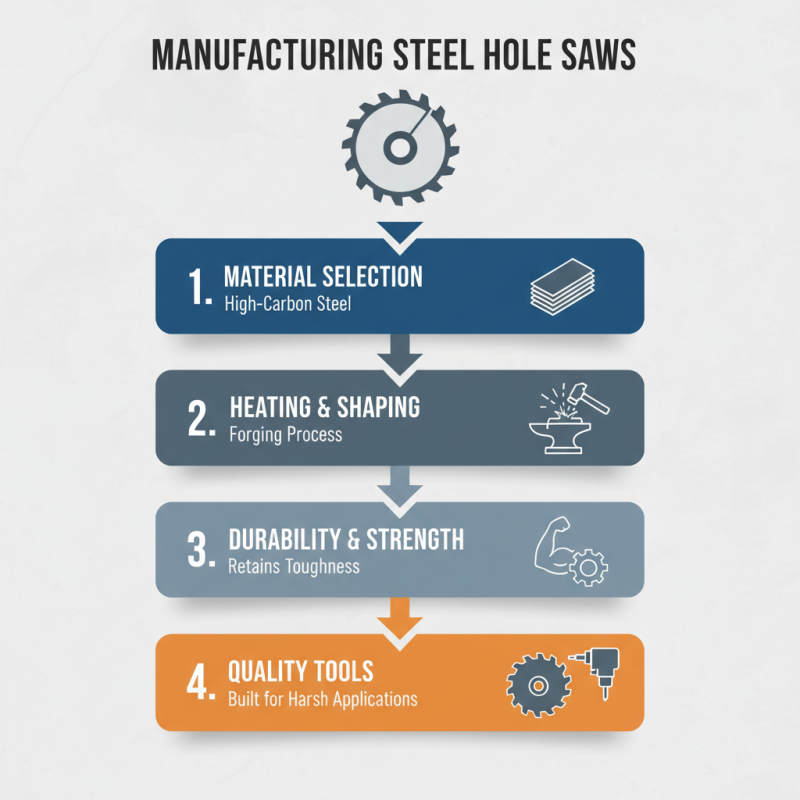
Understanding the manufacturing process of steel Hole Saws is essential for anyone interested in quality tools. Steel Hole Saws are primarily crafted from high-carbon steel, which provides durability and strength. The manufacturing begins with selecting quality steel that can withstand harsh applications. The steel is then heated and shaped through forging processes, ensuring it retains its toughness.
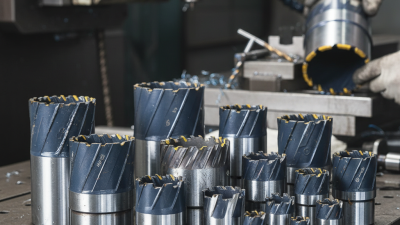
The next step involves creating teeth that effectively cut through materials. For instance, TCT hole saws designed for stainless steel are made with Tungsten Carbide tips. This design enhances cutting efficiency and extends the tool's lifespan. Each tooth is precisely engineered and positioned for optimal performance. Throughout the process, quality control measures are critical. These checks ensure that each hole saw meets industry standards and performs reliably.
Still, the manufacturing process is not without challenges. Fluctuations in raw material quality can impact the final product. Skill and experience are crucial for workers in this field. Each attempt to create a perfect steel Hole Saw brings new lessons and requires continuous improvement. Attention to detail is vital, as even minor inconsistencies can lead to tool failure. Manufacturing high-quality steel Hole Saws is a complex process that requires dedication and expertise.
Key Materials and Coatings Used in Premium Hole Saw Production
When it comes to premium hole saw production, the choice of materials is crucial. High speed steel is often favored for its hardness and resistance to heat. Research indicates that High Speed Steel Drill Bit Hole Saws can maintain sharpness and durability, even during extensive use. This makes them suitable for tough applications, such as cutting metal and hardwood.
Coatings also play a pivotal role in enhancing performance. Common coatings include titanium and carbide. These coatings improve wear resistance and reduce friction. A study by industry experts shows that coated hole saws can last up to 50% longer than uncoated counterparts. However, manufacturers must balance cost with performance. Not every coating fits all applications.
Choosing the right combination of materials and coatings is often a process of trial and error. While high-speed steel offers great performance, not all projects require the highest quality available. Some users may find that their application does not justify the cost of premium options. The challenge lies in identifying the right fit without overspending on unnecessary features.
The Ultimate Guide to Custom High Quality Steel Hole Saw Products
| Material Type | Coating Type | Teeth Design | Cutting Depth (mm) | Recommended Use |
| Bi-Metal | Titanium Nitride | Specialized Hook | 50 | Wood and Metal |
| Carbon Steel | Zinc Plated | Standard | 40 | Plastic and Cardboard |
| High-Speed Steel | Black Oxide | Variable Tooth | 60 | Metal and Composite |
| Cobalt Steel | Ceramic Coating | Aggressive | 70 | Stainless Steel |
| Tungsten Carbide | Diamond Coated | Precision | 80 | Ceramics and Glass |
Comparative Analysis of Hole Saw Performance Metrics
When evaluating the performance metrics of high-quality steel hole saws, several factors come into play. Cutting speed, durability, and material compatibility are critical metrics to consider. A High-Quality Steel Hole Saw Cutter Manufacturer will often provide these details to guide users. The cutting speed is measured in RPM, which indicates how quickly the saw can perform tasks. Durability relates to how many cuts can be made before the tool dulls.
An ideal hole saw should maintain a consistent performance level across different materials. For example, cutting through wood versus metal will yield varying results. Users may find that certain products work exceptionally well on specific materials but struggle on others. This inconsistency requires an understanding of the tool's specifications. Analyzing user reviews can also inform about real-world performance and potential shortcomings.
Overall, it's essential to balance factors like heat resistance and wear rate when selecting a hole saw. A well-informed choice can lead to better outcomes in projects. Different materials and applications may push a saw to its limits, revealing its true capabilities. Engaging with a reputable manufacturer can ensure you get the best performance tools available.
Industry Standards and Quality Certifications for Steel Hole Saws
When considering custom high-quality steel hole saw products, understanding industry standards and quality certifications is paramount. Different certifications indicate the level of reliability in manufacturing. Look for compliance with ISO standards, which denote rigorous testing and quality assurance practices. Another significant aspect is the material grade used in production. High carbon steel often meets the demands of various cutting applications, contributing to durability.
Furthermore, testing processes play a key role in ensuring performance. Manufacturers should engage in tests that assess cutting efficiency and tool longevity. Review reports on the tests they conduct. However, not all manufacturers prioritize transparency. This lack of information can be a significant red flag. Assessing product reviews can help consumers make informed decisions.
Quality certifications can enhance a product's value but require scrutiny. Certification labels alone do not guarantee performance. Some products may not perform as promised despite appearing well-certified. Users should also share their experiences to foster a community of knowledge. Such feedback can bridge the gap between claims and actual performance.
Innovative Features and Technological Advancements in Hole Saw Design
Innovative features in hole saw design have transformed the industry. New materials and designs enhance efficiency and durability. Manufacturers focus on creating high-quality steel hole saws that withstand rigorous use.
Technological advancements include improved tooth geometry. This enables faster cutting and reduces friction. Some designs incorporate nitrogen treatment, increasing toughness and extending lifespan. Many users appreciate these developments; however, user feedback suggests some saws still struggle with thicker materials.
Precision-engineered hole saws now feature better alignment systems. These systems help reduce vibrations during operation. Yet, some professionals find inconsistencies in performance. This highlights the need for ongoing testing and refinement. As the demand for custom solutions grows, exploring these advancements is vital for achieving optimal results.
Maintenance and Best Practices for Extending the Life of Hole Saws
Maintaining high-quality steel hole saws is crucial for performance and longevity. Regular cleaning is a basic yet vital practice. After each use, remove debris from the saw to prevent rust and build-up. This simple step extends the life of the tool significantly. According to industry reports, properly maintained tools can last up to 40% longer than those that are neglected.
Using the correct cutting speed is also essential. Overheating can lead to dullness and fractures. Experts suggest slow and steady pressure to avoid damaging the teeth. High-Quality Steel Hole Saw Cutter Manufacturers recommend a maximum RPM that's suitable for the material being cut. For metal applications, this could be around 600 RPM, significantly reducing wear and tear.
Sharpening your saw as needed is an often-overlooked practice. Dull blades not only hinder efficiency but also present safety risks. Even high-quality steel is subject to wear, particularly on tougher materials. Regularly monitoring the sharpness can prevent costly replacements. Reflecting on your usage patterns may reveal areas for improvement, ensuring tools are used in optimal conditions.
Maximize Your Drilling Efficiency with 5pcs M14 Dry Vacuum Brazed Diamond Hole Saw: A Comprehensive Guide
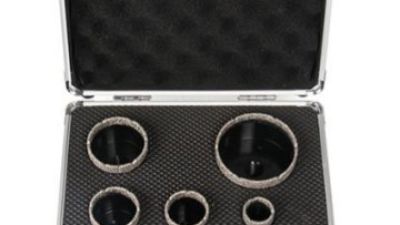
When it comes to drilling in various materials, efficiency is paramount. The 5pcs M14 Dry Vacuum Brazed Diamond Hole Saw is specifically designed to enhance your drilling experience by combining durability with exceptional cutting performance. This comprehensive guide sheds light on maximizing your efficiency using this tool set. The vacuum brazed technology ensures that the diamond segments are securely bonded to the base, allowing for effective cutting through tough materials like tile, glass, and concrete without the hassle of excessive debris.
One of the standout features of these diamond hole saws is their ability to maintain a cooler temperature during operation. This is crucial, as overheating can diminish the lifespan of the tool and compromise the quality of the cut. Utilizing the dry vacuum system not only minimizes dust but also helps maintain clean work conditions, allowing for better visibility and precision when drilling. With the right technique, users can achieve clean and precise holes, significantly reducing the time spent on cleanup.
Furthermore, the M14 compatibility of these hole saws allows them to be easily attached to various drilling machines, providing versatility for both professional contractors and DIY enthusiasts. Whether you're working on a renovation project or undertaking new constructions, investing in a high-quality diamond hole saw set can elevate your drilling efficiency, ensuring that you complete tasks swiftly and with outstanding results.
FAQS
: High speed steel is often favored for its hardness and heat resistance.
Coatings like titanium and carbide improve wear resistance and reduce friction.
Coated hole saws can last up to 50% longer than uncoated counterparts.
Not every project requires high-speed steel; some users may overspend on premium options.
Compliance with ISO standards ensures rigorous testing and quality assurance practices.
Check product reviews and manufacturer testing processes for performance insights.
No, certification labels don't always guarantee that products perform as promised.
Lack of information about testing can be a significant red flag.
Sharing personal experiences helps build a community and informs others.
Finding the right materials often requires trial and error without overspending.
Conclusion
The article titled "The Ultimate Guide to Custom High Quality Steel Hole Saw Products" provides a comprehensive overview of steel hole saws, focusing on their significance in various applications. It begins by defining what constitutes a high-quality steel hole saw and delineates its typical uses in construction and manufacturing. The guide then delves into the intricate manufacturing processes involved in producing these tools, emphasizing the key materials and coatings that enhance durability and performance.
Further, it includes a comparative analysis of performance metrics, showcasing how different designs can impact efficiency and effectiveness. The article also discusses industry standards and quality certifications that ensure the reliability of steel hole saws, alongside highlighting innovative features and technological advancements in their design. Lastly, it offers maintenance tips and best practices aimed at prolonging the lifespan of steel hole saws, ensuring users can maximize their investment in these essential tools.