Whenever you're getting ready to start a new project, picking the right Hole Saw can really make a world of difference. I remember John Smith, an industry pro from Precision Tools, once said, "Choosing the right Hole Saw is key to getting clean, precise cuts." And honestly, that advice still holds true whether you’re a DIY enthusiast or a seasoned pro.
Getting a handle on the different types of Hole Saws is pretty important. Each one is designed for specific materials and tasks. Whether you're working with wood, metal, or even tiles, having the righthole saw cutter set can really change your game. Quality can vary a lot between brands, and not every product will perform as advertised. A lot of folks forget to pay attention to things like pitch and tooth design—trust me, those little details make a huge difference in how well the saw performs.
I get it—winding your way through all the options out there can be kinda overwhelming. The market’s flooded with choices, so it’s a good idea to read reviews and maybe even ask for some expert suggestions before you buy. And hey, don’t assume that spending more automatically means you’re getting a better tool. The real trick is finding something reliable that fits what you need, so your projects come out just right.
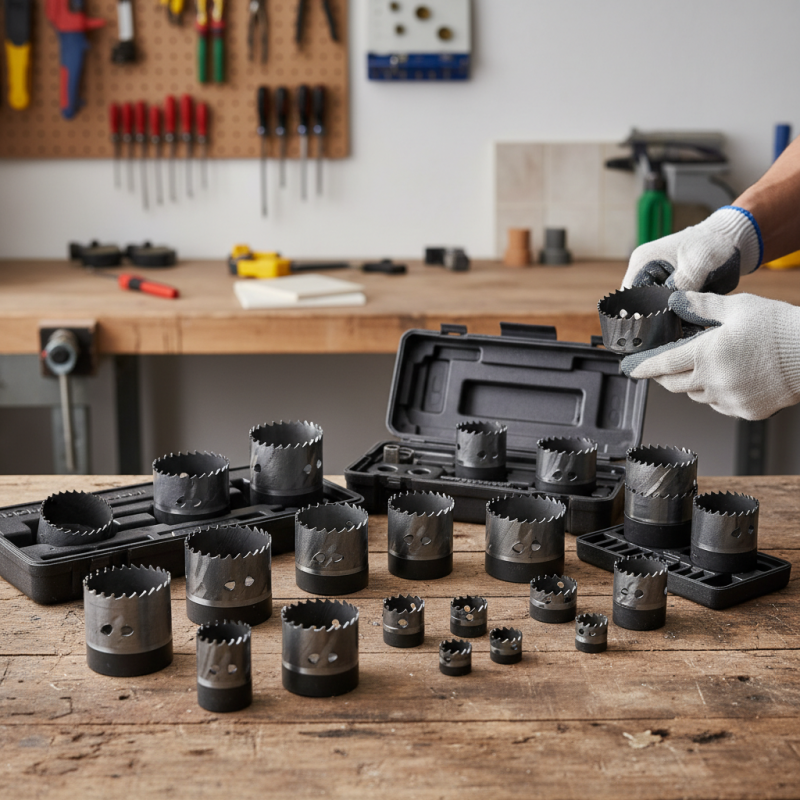
Factors to Consider When Selecting a Hole Saw for Projects
When selecting a Hole Saw for your projects, consider the material you will be cutting. Different materials require different types of blades. A130mm hole saw, for instance, is ideal for cutting larger holes in wood or soft metal. Evaluate your project's requirements carefully.
Another vital factor is the hole saw's material. Bi-Metal Hole Saws are versatile and durable. They can handle various materials. Carbon steel hole saws work well for softer materials but may not last as long. Think about your anticipated project volumes.
Tips to remember: always check the tooth count. More teeth mean smoother cuts but slower operation. If you're unsure, start with a mid-range tooth count. Additionally, ensure you have the right arbor for your Hole Saw. This can make a significant difference in the stability of your cuts. If needed, practice on scrap material to refine your technique. It’s okay to make mistakes; they can lead to better skills over time.
Understanding Different Types of Hole Saws and Their Uses
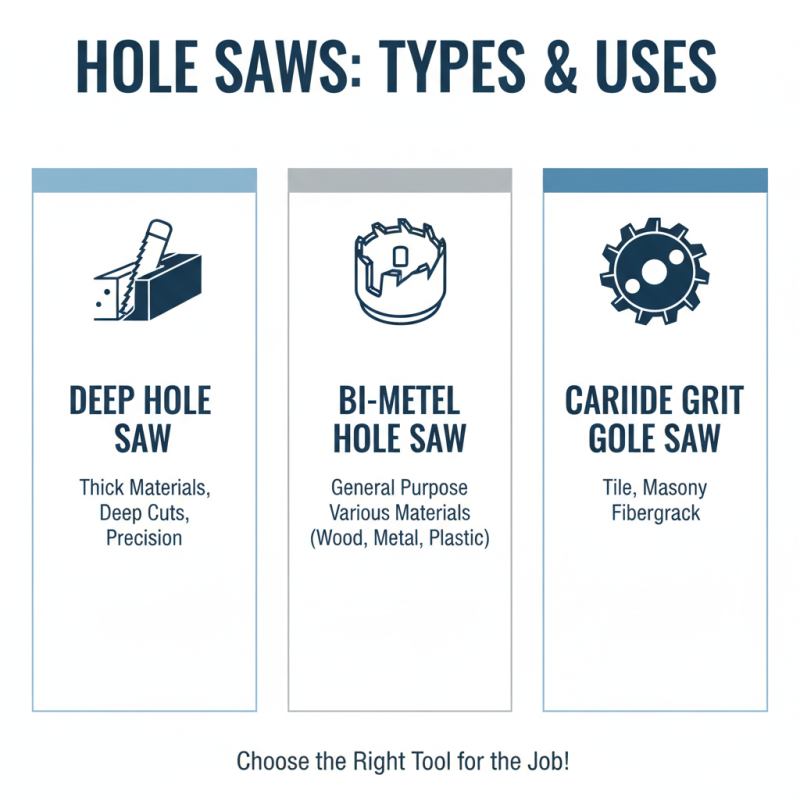
When selecting a Hole Saw for your projects, understanding the different types available is crucial. There are several kinds, each designed for specific tasks. For instance, adeep hole sawis perfect for drilling deeper holes in thicker materials. It allows for more precise cuts, which can enhance the overall finish of your work.
Bi-metal Hole Saws are versatile and suitable for a variety of materials. They provide durability and a longer lifespan compared to standard steel saws. On the other hand, carbide-tipped Hole Saws excel in cutting through harder materials like ceramic or glass. Each type has its unique strengths, but they also come with limitations. Choosing the right one is about striking a balance between the material and the application's demands.
It's important to reflect on your project needs. Some users may overlook the dimensions and end up with the wrong size. Also, not every hole saw will fit all drills. A thorough understanding ensures better performance and fewer regrets. No one wants to waste time on poor choices. Knowing the right tool can significantly improve your work efficiency and outcomes.
Material Compatibility: Choosing a Hole Saw for Various Surfaces
When selecting a hole saw, material compatibility is paramount. A report by the American National Standards Institute highlights that mismatched materials can lead to poor results or tool damage. For wood and soft materials, bi-metal hole saws are suitable due to their durability and sharpness. They efficiently cut through various types of wood, providing clean holes without excess splintering.
For metal surfaces, carbon steel hole saws offer a cost-effective choice. However, their lifespan is shorter than other materials. Research shows that they perform best in thinner metals, like sheet metal. In contrast, high-speed steel (HSS) hole saws excel in tougher metal applications. They can withstand higher temperatures, resulting in cleaner cuts and prolonged wear. Choosing the correct saw for the material ensures efficiency and accuracy.
Experimenting with different hole saws on various surfaces can yield mixed results. Over time, users may find that specific saws excel where others falter. It's essential to consider factors such as thickness and material type. Reflecting on past projects can guide future choices. Selecting the right hole saw can make the difference between a seamless project and one with frustrating setbacks.
2026 How to Choose the Best Hole Saw for Your Projects? - Material Compatibility: Choosing a Hole Saw for Various Surfaces
| Material | Recommended Hole Saw Type | Cutting Depth (inches) | Typical Applications |
| Wood | Bi-Metal Hole Saw | 2 | Furniture, Cabinet Making |
| Metal | Carbide Hole Saw | 2.5 | Metalworks, Electrical Boxes |
| Ceramic | Diamond Hole Saw | 1.5 | Tile Installation, Bathroom Fixtures |
| Plastic | Bi-Metal Hole Saw | 1.25 | Pipe Installations, Custom Projects |
| Drywall | Standard Hole Saw | 1 | Electrical Outlets, Ventilation |
Sizing and Depth: How to Measure for the Right Hole Saw
Measuring for the right hole saw involves more than just picking a size. Accurate measurements are crucial for the success of your project. According to the Industrial Fasteners Institute, approximately 30% of DIY projects fail due to improper tool selection. This highlights the importance of understanding sizing and depth when choosing a hole saw.
Start by measuring the diameter of the hole you need. Use a caliper or a tape measure for precision. For deeper cuts, consider the material thickness. A study by the American National Standards Institute shows that using the correct depth can improve cutting efficiency by up to 40%. This is essential for achieving neat and clean edges.
Take time to assess the material you are cutting. Different materials require different hole saws. For instance, wood and metal need specific designs for optimal results. You may encounter issues if you choose a hole saw that doesn’t match your material’s density. Always consult manufacturer guidelines for depth specifications, as this can sometimes be unclear. Accurate measurements not only save time but also contribute to a professional finish.
Tooth Design and Cutting Performance: What to Look For
When selecting the best hole saw, the tooth design and cutting performance are crucial factors. A well-designed tooth structure enhances cutting efficiency. Research shows that saws with carbide-tipped teeth last longer and cut smoother. These tooth shapes can minimize friction and reduce the heat generated during use. This is vital, especially for materials like wood or metal, as overheating can dull the blade quickly.
The cutting performance of a hole saw is directly related to its design. For instance, a 22mm hole saw with aggressive tooth geometry may increase the speed of cuts. However, if the teeth lack durability, they wear down rapidly, leading to subpar performance. The ideal design balances aggressiveness with durability. Industry reports indicate that selecting the right tooth pitch is essential; a tighter pitch is better for softer materials, while a wider pitch suits tougher ones.
It's also important to consider the hole saw's depth. A deeper saw can create larger holes but may compromise stability. Users often face challenges when the saw gets stuck in the material. This can happen due to improper technique or the wrong choice of saw. Evaluating the specific project requirements will help in making an informed decision. Key parameters, such as thickness and density of the material, along with the hole diameter, impact the overall success of your cutting tasks.
2026 How to Choose the Best Hole Saw for Your Projects?
Safety Features and User Considerations When Using Hole Saws
When choosing a hole saw, safety features play a crucial role. According to a report by the Occupational Safety and Health Administration (OSHA), improper use of hole saws leads to injuries in over 25% of incidents. A worksite injury can disrupt not just the project but also the well-being of workers. Look for saws that include features like safety guards or depth stops. These can prevent the drill from penetrating too far, reducing the risk of accidents.
User considerations are equally important. Many users overlook the importance of proper handling and technique. A survey from Construction Industry Institute suggests that 30% of users have minimal training in safe operation practices. This lack of training increases the chances of misuse, which can be dangerous. Ensure you read the user manual and follow recommended guidelines, such as wearing appropriate personal protective equipment (PPE). Even slight neglect can lead to serious injuries.
It’s also essential to consider the material being drilled. Different materials require different hole saws. A 2022 industry report indicated that 40% of users choose incorrect hole saws for specific applications. This not only affects performance but can compromise safety. Understanding the unique requirements of your project can lead to better decisions and safer operation. Reflecting on past experiences can guide the choice for future tasks.
Budgeting for Quality: Cost vs. Performance in Hole Saws
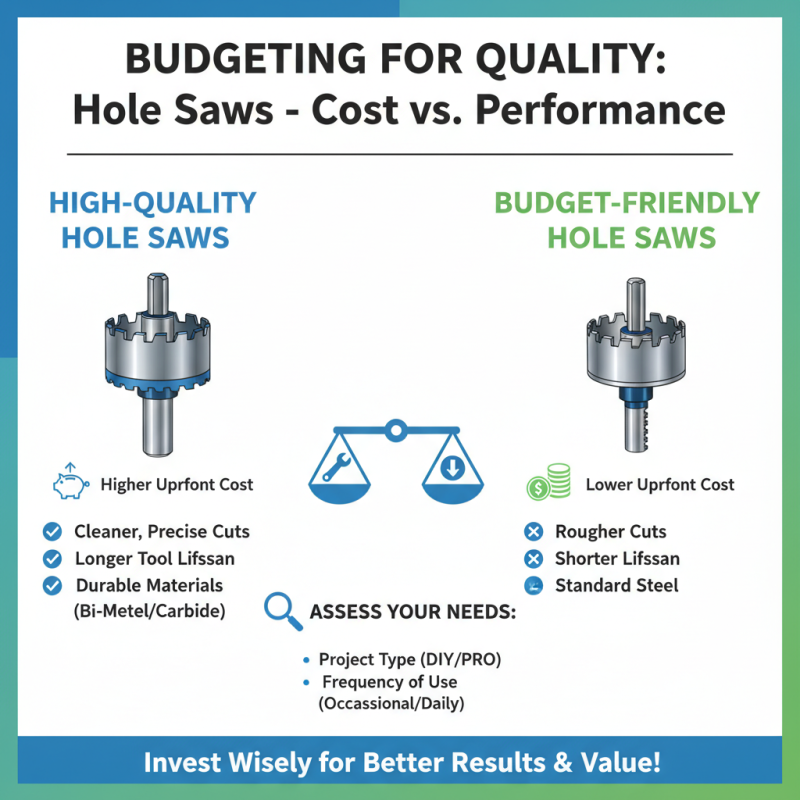
Choosing the right hole saw for your projects can greatly impact performance. When it comes to budgeting, understanding the balance between cost and quality is essential. High-quality hole saws often yield cleaner cuts and last longer than cheaper alternatives. However, not everyone can allocate a large budget upfront. It's crucial to assess your specific needs before making a purchase.
Consider the materials you’ll be working with. Softer materials like wood might require less expensive saws. In contrast, tougher materials like metal demand high-quality options. A hole saw manufacturer that specializes in durable products might be worth the investment. Remember, you may find that a lower-priced option fails prematurely, leading to extra costs down the line.
Some users report dissatisfaction after opting for budget models. They experience broken teeth or uneven cuts, which can be frustrating. Reflect on your priorities. Are you looking for longevity or just a quick job? The right choice is not always the most expensive one, but it should align with your project requirements. Balancing cost and performance can be a tricky process, but taking time to evaluate your options will pay off.
Maximize Your DIY Projects with the 8pcs M14 Dry Vacuum Brazed Diamond Hole Saw Set B: A Comprehensive Guide
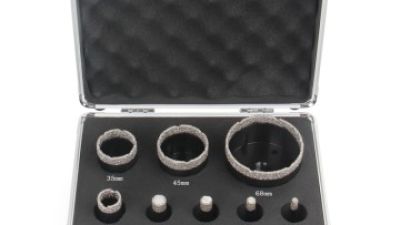
When it comes to tackling various DIY projects, having the right tools can make all the difference. The 8pcs M14 Dry Vacuum Brazed Diamond Hole Saw Set offers a versatile solution for those looking to create precise and clean holes in a variety of materials, including tile, glass, and concrete. This comprehensive guide will explore how to maximize your DIY efforts with this innovative set, making it an essential addition to your toolbox.
Each hole saw in the set is built with quality materials designed for durability and efficiency. The dry vacuum brazed technology ensures that the cutting process is smooth and leaves minimal mess, making clean-up a breeze. The M14 connection is compatible with various drills, allowing you to use this tool set with ease. Whether you are creating a beautiful tiled backsplash or installing fixtures, this hole saw set provides the accuracy and effectiveness needed to achieve professional results at home.
Moreover, the set includes multiple sizes, catering to a range of project requirements. From small holes for plumbing to larger cuts for drainage or electric installations, you’ll find that this set covers all your needs. With the right techniques and the 8pcs M14 Dry Vacuum Brazed Diamond Hole Saw Set, your DIY projects can be transformed from ordinary to extraordinary, empowering you to take on any creative challenge confidently.
FAQS
: Consider the material you are cutting and the type of blade required for it.
Bi-metal hole saws are versatile and durable, while carbon steel works for softer materials but may wear quickly.
More teeth mean smoother cuts but usually slower operation. Start with a mid-range tooth count if unsure.
Make sure you have the right arbor for your hole saw. This impacts cutting stability significantly.
Yes, practicing on scrap material can help refine your technique and reduce mistakes on actual projects.
High-quality saws usually perform better and last longer but may require a higher initial budget.
Yes, budget models often break or create uneven cuts, which can lead to frustration and extra costs.
Reflect on your project needs; a longer-lasting option might be worth it, even if it seems more expensive.
Softer materials like wood work well with less expensive saws, while metal needs higher-quality options for better results.
Mistakes can lead to improved skills over time, helping you become more proficient with your technique.
Conclusion
When choosing the best hole saw for your projects, several factors must be considered to ensure optimal performance. First, understanding the different types of hole saws and their specific uses is crucial; this knowledge will guide you in selecting a saw that aligns with your needs. Material compatibility is also important, as different surfaces require specialized hole saws for effective cutting. Additionally, sizing and depth are critical aspects to measure accurately to avoid purchasing an inappropriate size.
Moreover, tooth design significantly influences cutting performance, so one should look for features that enhance efficiency. Safety features should not be overlooked, as they play a vital role in user protection during operation. Finally, it's essential to balance budget constraints with performance requirements, as investing in a quality hole saw can lead to better results and longevity in your projects. By considering these elements, you can select a hole saw that meets your project needs effectively.