Whenever you're working on a DIY project, having the right tools really makes all the difference, doesn’t it? Take hacksaws, for example—they’re pretty much essential if you wanna cut through metal or plastic easily. But here’s the thing—picking the right hacksaw isn’t always straightforward. A lot of folks don’t realize how many little details can actually influence how well the tool works.
When you're choosing hacksaw blades, think about what material you're planning to cut and how thick it is. Things like blade quality and the frame’s design really matter. Honestly, sometimes those tiny aspects get overlooked, but they can totally affect your results. The difference between saw cutting tools hss and regular blades can be a game-changer.
Whether you’re just starting out or you’ve been DIY-ing for a while, getting the hang of your hacksaw is pretty important. Using it wrong or with poor technique can slow you down or mess up your work. Sure, a hacksaw might seem simple, but it takes practice to master. The more you understand its mechanics, the better your skills will become—and yeah, it’s worth investing some time in figuring that stuff out.
Understanding Hacksaws: Types and Their Uses
When it comes to DIY projects, understanding hacksaws is crucial. Hacksaws are versatile tools used mainly for cutting metal and plastic. There are different types available. Each type serves a unique purpose. The most common is the standard hacksaw. It features a strong frame and adjustable blade tension. However, sometimes, the blade snaps unexpectedly, which can be frustrating.
Another type is the mini hacksaw. This tool is perfect for tighter spaces. It fits easily in small areas that a standard hacksaw cannot reach. Many users overlook this handy tool. Then there are the coping saws. They have a finer blade for intricate cuts. Many woodworkers find these helpful with detailed patterns. The right hacksaw can make all the difference, especially when working with a Wood Carving Tools Set.
Knowing the blade types is essential too. Coarse-toothed blades cut quickly. Fine-toothed blades offer precision. Choosing the right blade can be tricky. Sometimes, you may end up with the wrong one. This leads to uneven cuts and wasted materials. It can be a frustrating learning curve, but it’s all part of improving your DIY skills.
Essential Hacksaw Tools for Every DIY Project Guide
| Hacksaw Type | Blade Size (inches) | Material Fit | Best Use |
| Standard Hacksaw | 12 | Metal & Plastic | General Cutting |
| Deep Cut Hacksaw | 12 | Thick Metal | Heavy-Duty Applications |
| Mini Hacksaw | 6 | Plastic & Metal | Tight Spaces |
| Adjustable Hacksaw | 12 | Wood, Metal & Plastic | Versatile Cutting |
| Pipe Hacksaw | 12 | Pipe & Round Metal | Plumbing Work |
Essential Accessories for Effective Hacksaw Cutting
When working on DIY projects, having the right accessories is crucial. A durable, fine-toothed blade can make a difference in your hacksaw cutting. The blade's material matters too; carbon or bi-metal options provide durability and performance. Don't overlook the importance of proper tension on the blade. An improperly tensioned blade can lead to uneven cuts.
Additionally, having a comfortable grip on your hacksaw is essential. A padded handle reduces fatigue during long cutting sessions. Remember to consider the angle of your cuts. Sometimes, minor adjustments can improve accuracy. Hacksaws can also benefit from light lubrication. A little can go a long way in achieving smooth cuts.
For specialized tasks, consider using Forstner Boring Tools. They can enhance your overall cutting efficiency. Pairing a hacksaw with these tools might seem unconventional; however, it provides versatility in projects that require precise drilling and cutting. Pay attention tosafety measures too; protective eyewear is vital. Cutting can create debris, and it's worth taking precautions.
Selecting the Right Blade for Your Hacksaw
Choosing the right blade for your hacksaw is crucial. The blade impacts the effectiveness of your cuts. Different projects require different blades. Consider the material you will cut. For softer materials, a blade with fewer teeth per inch (TPI) works well. For harder materials, a higher TPI is usually better.
Tips: Always check the blade's tension when you install it. A loose blade won't make clean cuts. If the blade feels dull, replace it. A dull blade can be frustrating and lead to inaccurate cuts.
The length of the blade also matters. Most hacksaws use 12-inch or 14-inch blades. However, ensure the blade fits your hacksaw frame. Compatibility is essential for safety. Take care to grip the hacksaw firmly while cutting. A shaky grip can lead to errors or accidents. Remember, practice makes perfect!
Proper Maintenance Tips for Hacksaw Longevity
Maintaining your hacksaw is essential for its longevity and efficiency. Regular care ensures performance and helps avoid costly replacements. Industry reports indicate that properly maintained tools can last up to 50% longer than neglected ones. This highlights the importance of simple maintenance practices.
Start by regularly inspecting the blade for wear and tear. A dull blade not only increases fatigue but can also lead to inaccurate cuts. Replace blades that exhibit significant signs of damage. Experts suggest changing blades after every 10 hours of heavy use. Cleaning the blade with a dry cloth after each use prevents rust and debris buildup. Such simple actions can greatly enhance the hacksaw's efficiency.
Store the hacksaw in a dry, dust-free environment. Humidity and dust can cause unnecessary wear. Utilize blade guards or cases for additional protection. Despite all efforts, accidents happen. Misplaced blades can lead to injuries or tool damage. Reflecting on these moments with care helps improve practices and promotes safety during use. Remember, vigilance is key in tool maintenance.
Techniques for Safe and Efficient Hacksaw Operation
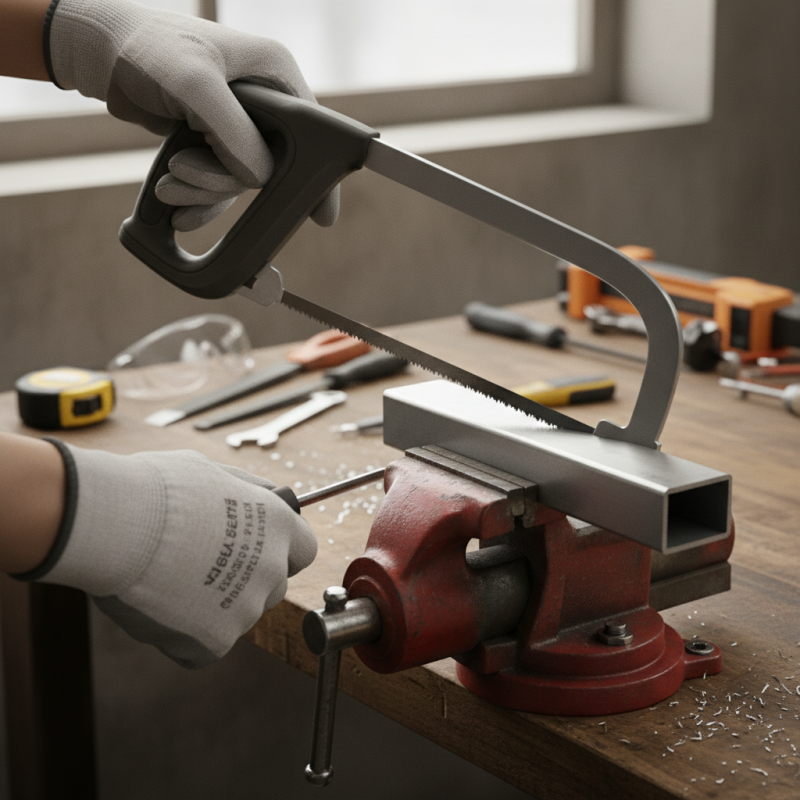
Using a hacksaw can be simple, yet the technique matters greatly. Proper grip on the handle is vital. Your hands should be dry and steady. When positioning your workpiece, ensure it is secured tightly. Use a vise if necessary. This prevents any slipping during the cutting process. It may seem minor, but it significantly affects the outcome.
Maintaining the right angle improves efficiency. A 90-degree angle is ideal for most cuts. Adjust your stance to apply even pressure. Many beginners struggle with this. They often push too hard or too soft. Finding the right balance takes practice. Don't rush; consistent strokes yield better results. A proper technique helps your hacksaw last longer, acting as an essential part of your Power Tools Accessories.
Safety is paramount. Always wear safety glasses. Protecting your eyes may feel unnecessary, but it's crucial. Small particles can fly during cutting. Additionally, keep the workspace organized. This minimizes distractions and hazards. Reflect on your approach after each project. There’s always room for improvement, and awareness is key to honing your skills.
Common DIY Projects Benefiting from Hacksaw Use
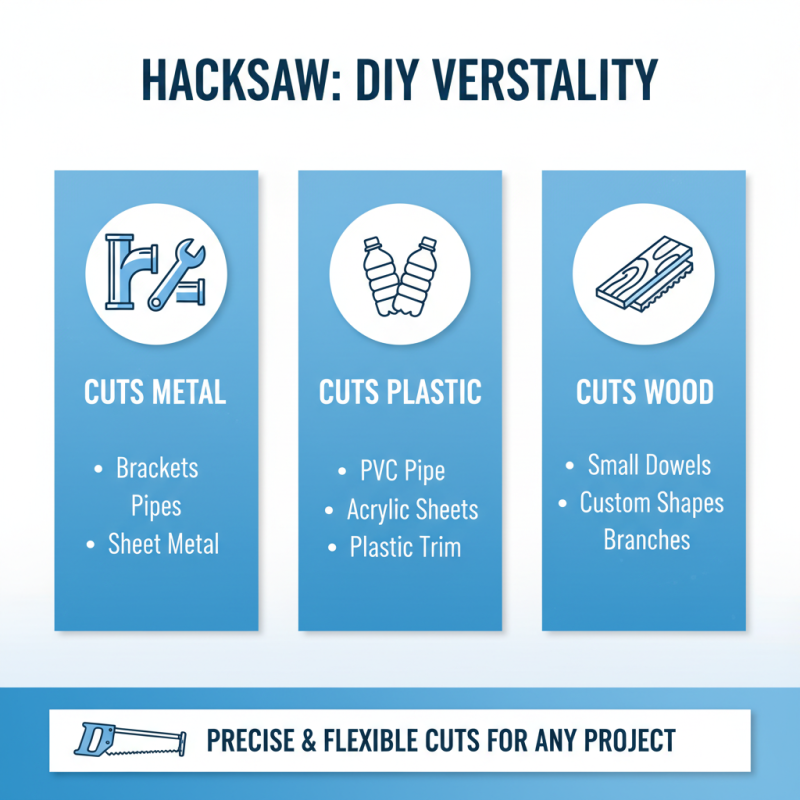
Hacksaws are versatile tools with many applications in DIY projects. They are perfect for cutting metal, plastic, and even wood. For instance, when building a custom shelf, a hacksaw can help you cut brackets or pipes precisely. I often find that the saw's flexibility allows for intricate cuts that other tools cannot accomplish easily.
In plumbing projects, hacksaws become indispensable. Imagine needing to cut through a copper pipe or PVC. The right hacksaw makes quick work of these materials. Using a hacksaw can be tricky initially, especially with alignment. I’ve learned that a steady hand and a firm grip lead to cleaner cuts. However, there have been times when I had to redo my cuts due to slipping.
Some DIYers overlook the importance of proper accessories, like a Power Tools Arbor Adapter for M22 Thread. It can enhance the performance of your hacksaw and make it even more efficient. I discovered that using this adapter allowed me to switch between tools seamlessly. It makes all the difference for more complex projects. Each cut becomes smoother, which ultimately helps save time and materials.
Troubleshooting Hacksaw Issues: What You Need to Know
Hacksaws are essential for any DIY project, yet they can present various challenges. Understanding common issues can enhance your efficiency and results.
One frequent problem is blade misalignment. If your cuts are uneven, check the blade's positioning. It may not be in the correct groove. Sometimes, you can feel the blade wobbling during use. This can lead to frustration and wasted materials. Adjusting the blade properly often resolves this issue.
Another common issue is blade dullness. A dull blade struggles to cut through tougher materials. This can drastically increase your effort and time. Regularly examining your blade for wear and replacing it when necessary is crucial. You might be surprised at how much smoother the cutting process becomes after a simple replacement.
Moreover, improper tension can make a big difference. If the blade isn't tight enough, you could face broken pieces mid-cut. Conversely, excessive tension may cause snapping. Therefore, finding the right balance is essential. Frequent checks and adjustments save time and improve your craftsmanship.
Essential Hacksaw Tools for Every DIY Project
This chart displays the importance level of essential hacksaw tools for DIY projects. Each tool's significance is rated on a scale from 1 to 10, helping DIY enthusiasts prioritize their purchases.
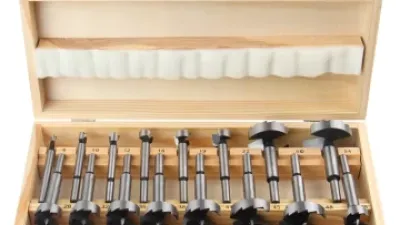
Maximize Your Woodworking Potential with the 16PCS High Carbon Steel Forstner Drill Bits: A Comprehensive Guide
Maximizing your woodworking potential begins with choosing the right tools, and the 16PCS High Carbon Steel Forstner drill bits stand out as a must-have for any serious woodworker. These drill bits are specifically designed for creating clean and precise holes in various types of wood, making them ideal for projects that require hinge boring, doweling, and mortising. Crafted from high carbon steel, they offer durability and long-lasting performance, ensuring that each bit can handle repeated use without dulling quickly.
In addition to their robustness, the Forstner drill bits feature a round shank design, which provides a secure grip in drill chucks and allows for greater stability during operation. This design capability not only makes them suitable for standard woodworking tasks but also enhances their versatility, accommodating a wide range of drilling applications. Whether you're working on furniture, cabinetry, or intricate woodworking projects, these bits will help you achieve cleaner holes with a smooth finish, significantly elevating the quality of your craftsmanship. Embrace the potential of your woodworking skills by integrating these high-quality drill bits into your toolkit.
FAQS
: A durable, fine-toothed blade is ideal. Material options like carbon or bi-metal enhance performance.
Check if the blade feels secure and does not wobble. Improper tension leads to uneven cuts.
Blade misalignment can cause this issue. Ensure the blade is in the correct groove for better results.
Using a padded handle improves comfort. It helps maintain grip during long cutting sessions.
Regularly inspect the blade for wear and replace it when necessary. This keeps cuts smooth and efficient.
Yes, light lubrication can lead to smoother cuts. It simplifies the cutting process overall.
Always wear protective eyewear. Cutting can create debris, making safety measures crucial during use.
Pairing with specialized tools can enhance efficiency. It allows for precise drilling and cutting tasks.
Frequent checks are wise. Regular inspections prevent issues like dullness and ensure consistent performance.
Conclusion
A hacksaw is an essential tool for any DIY enthusiast, and understanding the different types and their specific applications is crucial for maximizing its use. This guide covers essential hacksaw tools, including various blade options and accessories designed to enhance cutting efficiency. With proper blade selection and adherence to maintenance tips, users can ensure their hacksaw remains reliable over time.
Additionally, the article discusses safe operating techniques to prevent accidents during use and identifies common DIY projects where hacksaws are particularly beneficial, such as home repairs and custom crafting. It also provides troubleshooting advice for common hacksaw problems, equipping DIYers with the knowledge to tackle any challenges they may encounter. Overall, this comprehensive guide is a valuable resource for anyone looking to improve their hacksaw skills.