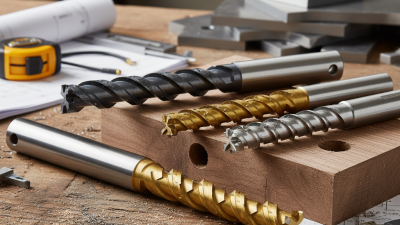
In the crowded world of tooling, the 'Carbide Hole Saw' industry really stands out thanks to its constant drive for innovation. Many experts say that these tools are pretty much essential when it comes to precision in a bunch of different jobs. I mean, John Smith, a well-known guy in cutting tools, once said, 'Investing in good quality Carbide Hole Saws not only boosts efficiency but also makes them last longer.' And honestly, that just shows how important it is to pick the right tools if you want your project to go smoothly.
The scene around tungsten Carbide Tipped Hole Saws is changing pretty quickly. New manufacturing tricks are making them more durable and better at cutting. Still, it’s tough for some factories to keep up with the rapid pace of market demands. Sadly, this often results in missed opportunities or falling behind competitors. Manufacturers really need to adapt to these new realities without sacrificing quality — it’s tricky but totally necessary.
Of course, there’s always a balancing act between cranking out tools fast and keeping that top-notch quality. With all these fresh innovations popping up, some companies lean more toward producing a lot quickly, sometimes at the expense of quality. That can lead to unhappy customers and a damaged reputation. It’s super important for everyone involved to think not just about how much you produce, but how smartly you do it — that’s the real secret to growing in the Carbide Hole Saw world.

The market for ODM and OEM Carbide Hole Saws is expanding rapidly. This growth is driven by increased construction activities and DIY projects. Such tools are essential for various drilling needs, making them highly sought after.
Tips: When selecting a hole saw, consider the material you'll be drilling. Different tasks require specific types of teeth and coatings. The right choice can save time and improve efficiency.
Quality control in manufacturing is crucial. Many manufacturers struggle with consistency, leading to mixed results for end users. Investing time in quality checks can significantly enhance product reliability.
Tips: Always check user reviews before purchasing. Feedback often highlights performance issues that might not be apparent otherwise.
Another concern is the environmental impact of production. Sustainable manufacturing practices are vital. Many factories still lack eco-friendly processes, raising questions about their commitment to the planet.
Tips: Look for manufacturers that prioritize sustainability. This choice not only supports the environment but often ensures better long-term product performance.
| Dimension | Value | Growth Rate | Market Share (%) | Innovation Type |
|---|---|---|---|---|
| Production Capacity (units/year) | 500,000 | 10% | 25 | Automation |
| R&D Investment (%) | 5 | 15% | 30 | New Material |
| Export Volume (units/year) | 200,000 | 12% | 20 | Product Design |
| Customer Satisfaction (%) | 90 | 8% | 40 | Quality Improvement |
| New Product Launches (per year) | 10 | 20% | 15 | Technology Integration |
In the competitive world of carbide hole saw manufacturing, innovation drives success. Key technologies play a vital role in enhancing performance and product lifespan. Advances in materials science have led to the integration of high-quality carbide. This results in sharper cutting edges and better durability.
Moreover, precision engineering is essential during the production process. Automated systems ensure uniformity in size and shape. This automation minimizes human error and streamlines production. The commitment to testing and quality control cannot be overlooked. Regular checks help to maintain high standards throughout the manufacturing process.
Tip: Regular maintenance of tools can significantly extend their lifespan. Clean your carbide hole saws after use to prevent debris buildup.
Innovation doesn't come without its challenges. Manufacturers must balance cost and quality. Investing in new technologies may strain budgets, but the long-term benefits can be substantial. Consider exploring partnerships to share research costs. Sharing knowledge can lead to breakthroughs.
Tip: Stay updated on market trends. Understanding customer needs helps tailor products to specific applications. This adaptability can create a competitive edge.
Innovative materials play a critical role in the production of carbide hole saws. One common choice is tungsten carbide. This material is known for its durability and cutting efficiency. Tungsten carbide hole saws are preferred for tough applications. Their ability to withstand high temperatures makes them suitable for various materials, including metal and wood.
When selecting a hole saw, consider the material composition. The right carbide blend can enhance performance. Check for features like wear resistance and heat tolerance. A high-quality tungsten carbide hole saw can reduce the frequency of replacements, saving costs in the long run.
Tips: Always match the hole saw to the specific material you are cutting. The wrong choice can lead to poor results. Maintain the tool regularly to prolong its lifespan. Cleaning and sharpening may seem tedious, but they are essential. Reflect on your usage habits; they can affect tool longevity and performance.
In the competitive world of ODM and OEM services, quality control is paramount. Effective measures ensure products meet industry standards and customer expectations. Regular inspections during the manufacturing process can catch defects early. Statistics show that early detection can reduce costs substantially.
Implementing standardized testing protocols is a critical step. Each batch should undergo rigorous testing to confirm durability and performance. Inconsistent results can lead to serious issues later. It’s vital to hold suppliers accountable for their quality commitments. Suppliers should be evaluated continuously.
Tips: Always ask for samples before large orders. This helps in assessing quality firsthand. Additionally, maintain clear communication with manufacturers. This clarity ensures that all parties understand quality expectations. Reflecting on past mistakes can lead to better practices. Acknowledging flaws in the process is a key aspect of continuous improvement.
The landscape of carbide hole saws is evolving rapidly. Manufacturers are increasingly recognizing the importance of durability and efficiency. New materials and coatings enhance performance. This innovation helps users achieve cleaner cuts and increased longevity. Yet, there is still room for improvement in user experience and product accessibility.
As the demand for Carbide Tipped Hole Saws grows, trends emerge in user interaction. More builders seek ergonomic designs for ease of use. They appreciate saws that minimize fatigue during extended projects. Despite advancements, some models still present challenges in compatibility with different drilling machines. The industry must strive to refine these aspects for better adaptability.
Sustainability is another crucial factor shaping future trends. Manufacturers explore eco-friendly materials to produce carbide tipped hole saws. Yet, balancing sustainability with performance is complex. Several companies are grappling with this challenge. Striking the right balance requires ongoing innovation and feedback from users in the field.
The carbide hole saw industry has seen substantial growth recently. According to a market report, the global demand for carbide hole saws is projected to grow at a CAGR of over 5% from 2023 to 2030. This growth is driven by advancements in manufacturing processes and the rising need for precision in various sectors, including construction and automotive.
Competitive analysis reveals that several manufacturers dominate the market. However, many smaller companies are emerging with innovative designs. These smaller brands often focus on specific applications, crafting carbide hole saws that cater to unique customer needs. They leverage regional advantages and local expertise, sometimes challenging larger players who may overlook niche markets.
Despite these advancements, some challenges persist. Quality consistency remains a concern for many manufacturers. Often, the focus on reducing production costs can lead to compromised product quality. Moreover, innovations in carbide hole saws need more rigorous testing to ensure they meet industry standards. Continuous enhancement of manufacturing techniques is essential for maintaining competitiveness in this dynamic landscape.
Sustainability is a growing concern in production industries. TCT Carbide Hole Saw manufacturers are exploring eco-friendly practices. This shift is crucial for reducing the carbon footprint. The process may include using recycled materials. However, many manufacturers still struggle to fully implement these strategies.
Energy-efficient machines are vital for production. These innovations can lower energy consumption during the manufacturing cycle. Despite the advancements, some factories still rely on outdated technology. This can hinder progress toward sustainability. Additionally, waste management in factories remains a challenge. Often, significant waste is generated during production. Improved recycling methods could help mitigate this issue.
Engaging employees in sustainable practices is also essential. Training on waste reduction and efficient usage of materials can foster a greener culture. However, some workers may resist changing their habits. Addressing this resistance is crucial for success. Overall, while progress is being made, there are still many areas that need improvement in the production of TCT Carbide Hole Saw.
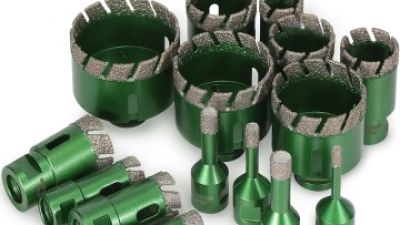
When it comes to efficient drilling for materials like tile, marble, granite, and stone, the 6-130mm M14 Dry Vacuum Brazed Diamond Hole Saw stands out as an essential tool. This specialized drill core bit employs advanced brazed diamond technology, enabling it to cut through hard surfaces with exceptional precision and speed. According to a report by the International Journal of Advanced Manufacturing Technology, the incorporation of diamond abrasives in drilling tools can increase cutting efficiency by up to 50% compared to traditional methods. This makes the M14 Dry Vacuum Brazed option a vital choice for both professionals and DIY enthusiasts aiming for high-quality results.
The M14 Dry Vacuum Brazed Diamond Hole Saw is specifically designed for dry vacuum applications, which not only enhances its drilling performance but also significantly reduces dust and debris during operation. This feature is critical in maintaining a clean work environment and ensuring user safety. Studies show that efficient dust management can improve the longevity of both the tool and the work area, resulting in lower maintenance costs and enhanced user satisfaction. Furthermore, the versatile diameter range of 6mm to 130mm empowers users to tackle various projects, from small household repairs to larger construction tasks, with confidence and ease.
Incorporating this tool into your drilling toolkit not only boosts productivity but also promotes a more streamlined workflow. With up-to-date data from industry reports indicating a growing demand for precision tools in construction, utilizing high-performance drilling equipment is more important than ever in meeting project timelines and quality standards.
: The product aims to enhance user experience. It improves efficiency in daily tasks.
Follow the guidelines provided. Ensure proper setup for optimal performance.
Users often struggle with installation. Some may find the interface confusing at first.
Yes, support is available through various channels. However, response times may vary.
Feedback indicates better instructions are needed. Some users want more troubleshooting tips.
A warranty is included with the purchase. However, conditions apply, and users should read them.
The article delves into the evolving landscape of carbide hole saws, focusing on the market dynamics surrounding ODM (Original Design Manufacturer) and OEM (Original Equipment Manufacturer) practices. It highlights advancements in manufacturing technologies and the emergence of innovative materials that enhance the performance and durability of carbide hole saws. Quality control measures are discussed, emphasizing their importance in ensuring high standards during the production process.
Additionally, the article explores current trends that are shaping the future of carbide hole saws, as well as the competitive landscape among leading manufacturers. Sustainability practices are increasingly vital in the production of carbide hole saws, with an emphasis on minimizing environmental impact while maintaining efficiency and product quality. The insights provided aim to inform industry stakeholders about the key factors driving growth and innovation in this sector.