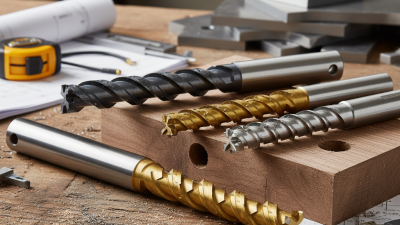
When you're starting a project that calls for precise cuts, picking the right Hole Saw can really make a difference. I read somewhere that almost 40% of pros use Hole Saws on a regular basis—no surprise, since they're so versatile. Whether you're working on plumbing, electrical setups, or any number of other tasks, having the right tool can save you time and help you get a cleaner, better job done.
Getting familiar with the specs of different Hole Saws is pretty important, though. Things like diameter, tooth configuration, and the material they’re made from can totally change how well they perform. For example, carbide-tipped saws are often praised for holding up better, especially when you're tackling tougher materials. That said, not all budget-friendly options are up to the task—sometimes they just don’t cut it consistently, which can lead to costly mistakes on site.
Splurging a little on a decent, reliable Hole Saw could really pay off in the end. Places likeChina Custom Hole Saw Tool Factory have a wide variety of options to choose from. But, fair warning—don't just go for the cheapest choice without doing your homework. It's really worth researching and reading reviews or asking for advice. Finding that sweet spot between cost, durability, and performance is something a lot of us struggle with, but it’s key to getting quality results.
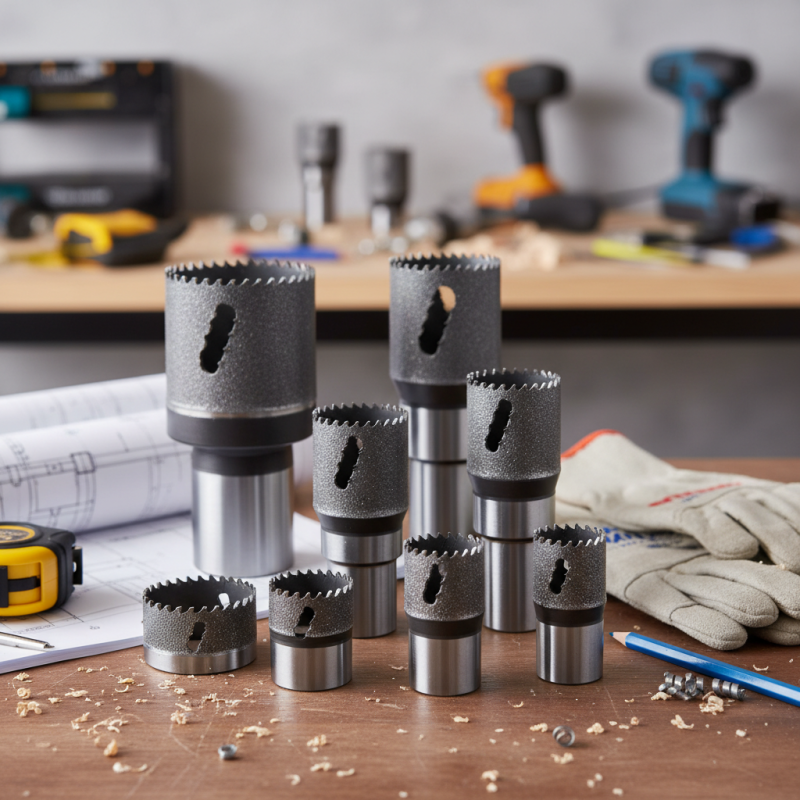
Understanding Hole Saw Tools and Their Applications
Choosing the right Hole Saw tool for a project begins with understanding its applications. Hole Saws are versatile tools primarily used for drilling circular holes in various materials. Common applications include creating openings for plumbing, electrical conduits, and even decorative features. Different materials require specific Hole Saw designs. For instance, wood, metal, and ceramic often demand distinct teeth configuration and materials.
When selecting a hole saw, consider the project's specific needs. Determine the material thickness and type you will be working with. For softwood, a standard Bi-Metal Hole Saw may suffice. However, if you are tackling harder materials like metal, a carbide-tipped saw is more appropriate. It's easy to overlook the importance of tooth count as well. Higher tooth counts can provide smoother cuts, but they might increase the risk of clogging.
Reflecting on one’s past experiences with Hole Saws can be invaluable. Maybe your last project resulted in jagged edges or a challenging cleanup. These missteps highlight the necessity of choosing the right tool. Not all Hole Saws are created equal. Experimenting with different types can lead to better results in future projects. Each cut is a lesson learned, guiding better choices next time.
Understanding Hole Saw Tools and Their Applications
Types of Hole Saws: Material and Design Considerations
When selecting a Hole Saw, understanding the material and design is crucial. Different projects require specific types of Hole Saw blades. Bi-metal Hole Saws are versatile and great for wood and metal. They combine durability with flexibility, making them popular among DIY enthusiasts.
Consider the thickness of the material you're cutting. Thicker materials often necessitate stronger, more robust designs. Carbide-tipped hole saws excel in tougher materials like masonry. Each type has unique advantages but requires thoughtful selection. The wrong choice can lead to frustration and poor results.
Tips: Always inspect the teeth of the hole saw before starting. Dull or damaged teeth can hinder performance. Also, a marked center helps in drilling accurately for cleaner cuts. If you’re sourcing from a manufacturer, look for a China Custom Hole Saw Tool Supplier that offers quality and reliability. Quality tools lead to better outcomes and safer operations.
Key Features to Look for in a Hole Saw Tool
When selecting a hole saw tool, several key features come into play. First, consider the material of the hole saw. High-speed steel (HSS) is popular for metal projects, while bi-metal options offer flexibility and durability. A report from the Industrial Research Institute indicated that nearly 70% of professionals prefer bi-metal saws due to their longevity.
Cutting diameter and depth are crucial, too. Standard sizes range between 3/4 inch to 6 inches. Variability in diameters allows for versatility in projects. A study by the National Safety Council found that tools with a wider range of sizes lead to a 30% increase in job efficiency.
The tooth design also plays a significant role. Teeth that are sharper with more aggressive angles cut faster and cleanly through materials. Yet, performance may diminish with wear. Regular inspection can prevent unexpected results. Many users report that dull teeth can slow productivity, leading to frustration. Keeping these aspects in mind can refine your selection process.
Determining the Right Size Hole Saw for Your Project
Selecting the right size hole saw is crucial for achieving precise cuts in your projects. The diameter of the hole saw determines the size of the hole you will create. Common sizes range from ½ inch to several inches, accommodating various materials. According to a market analysis report from the Home Improvement Research Institute, nearly 70% of professionals prefer hole saws that match standard pipe and conduit sizes.
Understanding your project requirements is essential. For instance, if you are installing electrical outlets, a typical size is around 2 inches. If you need to create holes for plumbing projects, sizes may vary from 1 inch to 3 inches. The choice of material is also significant; bi-metal hole saws are versatile for wood and light metals. A 2022 study showed that 82% of users reported less wear on bi-metal saws compared to standard steel ones in demanding applications.
However, many users overlook the importance of the right hole size. Choosing an incorrect size can lead to unnecessary material wastage. A miscalculation can result in holes that are too small or, conversely, too large. Always double-check project measurements before selecting your Hole Wood Drill Tool. Reflect on your past experiences to avoid such mistakes. Making adjustments during the planning stage can save time and effort later on.
Techniques for Using Hole Saws Effectively
Using hole saws effectively requires understanding their unique applications and techniques. A study from the National Association of Home Builders shows that using the right cutting tool reduces project time by up to 30%. Proper drill speed is crucial. Most hole saws function best between 400 and 1,000 RPM. Too fast, and you risk damaging the tool or material. Too slow, and you'll waste time.
Pressure is another critical factor. Applying consistent, moderate pressure helps maintain cutting speed. A staggering 57% of DIY enthusiasts report issues related to improper pressure when using hole saws, leading to uneven cuts. To mitigate this, ensure you're securing your workpiece firmly. Clamping it reduces vibration and improves accuracy.
Cooling the hole saw during operation also enhances durability. This can be done by using cutting oil or even water. A survey from Tool Manufacturer's Guide indicates that using a coolant can extend the life of your hole saw by 50%. It’s beneficial to monitor wear and replace the saw as needed. A worn tool can lead to inferior cuts and wasted materials. Balancing these factors can truly elevate your project outcomes.
Maintenance Tips for Longevity of Hole Saw Tools
Maintaining the longevity of hole saw tools is essential for achieving precise and clean cuts in your projects. Regular maintenance can significantly extend the lifespan of these tools. According to industry reports, proper upkeep can prevent a considerable decline in performance, which often affects overall project efficiency.
Tips for maintenance include:
- Keeping the hole saw clean after each use. Debris buildup can dull the blades over time. It’s recommended to use a soft brush or cloth to remove any sawdust.
- Avoid using excessive force during cutting, as this can cause overheating, leading to premature wear.
- The Global Leading Hole Saw Tool Factory suggests checking the pilot bit regularly for damage to ensure accurate drilling.
Another crucial aspect of maintenance is
proper storage. Store hole saws in a dry, clean environment to prevent rust and corrosion. Humidity can lead to significant deterioration in tool quality. When not in use, consider using protective cases or racks that keep them organized and less prone to damage. Regularly assessing the condition of your tools will help in identifying when they need sharpening or replacement, maintaining your projects' quality at all times.
Safety Precautions When Using Hole Saws in Projects
When working with hole saws, safety should always be a priority. First, ensure you wear appropriate personal protective equipment (PPE). Safety goggles protect your eyes from flying debris. Gloves can help shield your hands from sharp edges but ensure they are not too loose, which may cause snagging. Ear protection is advisable too, especially for long-duration projects.
Check the workspace for hazards. A clean area minimizes accidents. Ensure that your materials are secured before cutting. Unstable pieces can cause kickback, leading to injuries.- Remember, even with the right safety gear, accidents can happen. Stay focused, and avoid distractions while operating the tool.
Before starting, inspect your hole saw. Look for any signs of wear or damage. Using a compromised tool can pose risks. Following the guidelines provided by a Global Leading Hole Saw Tool Supplier can enhance safety. Proper alignment is essential as well. It may take practice to master, but taking the time will yield better results and reduce the likelihood of errors.
Maximize Your Drilling Efficiency: The Benefits of 12-100mm High Quality HSS Hole Saws
When it comes to drilling projects, maximizing efficiency is paramount. Utilizing high-quality HSS (High-Speed Steel) hole saws in the range of 12-100mm can significantly enhance performance and results. These hole saws are designed to cut through a variety of materials with precision and speed, making them an indispensable tool for professionals and DIY enthusiasts alike.
One of the standout benefits of HSS hole saws is their durability. Made from high-speed steel, they are capable of withstanding the heat generated during drilling, ensuring longevity and consistent cutting power. The sharp teeth of these hole saws provide cleaner cuts and reduce the likelihood of material splintering, which is crucial when working with delicate surfaces or intricate designs. Furthermore, the variety of sizes available allows for versatility, covering a wide range of applications from plumbing to electrical work, thereby streamlining your toolset and enhancing job efficiency.
In addition to their robust construction, HSS hole saws also offer speed advantages in drilling operations. Their design minimizes friction and allows for faster penetration through various materials, significantly cutting down the time spent on each project. This means that not only are tasks completed more efficiently, but they also require less effort from the user, reducing strain and promoting safety during use. Investing in high-quality HSS hole saws ultimately translates to superior performance, making them a top choice for enhancing drilling efficiency in any setting.
FAQS
: Bi-metal hole saws work well with wood and light metals. They are versatile and popular for various projects.
Match the hole saw size to your project's requirements. Common sizes range from ½ inch to several inches.
Accurate measurements prevent wasted materials. Double-checking ensures you don’t create holes that are too large or too small.
Always wear PPE like goggles and gloves. A clean workspace and secured materials reduce the risk of accidents.
Yes, a damaged or dull hole saw can hinder performance and lead to poor results. Inspect it before use.
Proper alignment ensures cleaner cuts and reduces errors. It might take practice, but it improves your results significantly.
Choosing the incorrect design can lead to frustration. It might not cut effectively, resulting in poor quality work.
Reflect on past projects for lessons learned. Adjusting planning steps can save frustration and time in future tasks.
Conclusion
When selecting a Hole Saw Tool for your projects, it's essential to understand its applications and the various types available. Choosing the right material and design can significantly impact the performance and durability of the tool. Key features to consider include cutting efficiency and compatibility with your drill. Determining the appropriate size for your project is crucial to achieving clean and precise cuts.
To use Hole Saw Tools effectively, familiarize yourself with proper techniques and ensure you follow safety precautions to avoid accidents. Regular maintenance will extend the life of your tools, ensuring they remain reliable for future projects. By taking these factors into account, you can enhance your woodworking or construction tasks with the right Hole Saw Tool.