Choosing the right supplier for your Hole Saw needs isn’t something to take lightly — it really can make or break your project. A good OEM Hole Saw supplier doesn't just offer a variety of options; they actually know their stuff and can be a real asset to your work. When you're on the hunt for ahole saw cutter set, it’s definitely worth checking out what others are saying about them. Look into their reputation, check out their history, and see what past clients have to say. A dependable supplier usually has years of experience behind them and a solid track record. But honestly, it’s not just about the product — good customer service counts too. Things like quick responses and support after your purchase can really make a difference.
Sometimes, suppliers might seem promising at first glance, but digging a little deeper can reveal some gaps. For example, see if they clearly specify what’s in their products — transparency about materials and how they’re made is huge. A top-notch supplier stands behind what they sell, offering warranties or guarantees to give you extra peace of mind. Focusing on quality and support like this can seriously boost your confidence when choosing the right Hole Saw supplier.
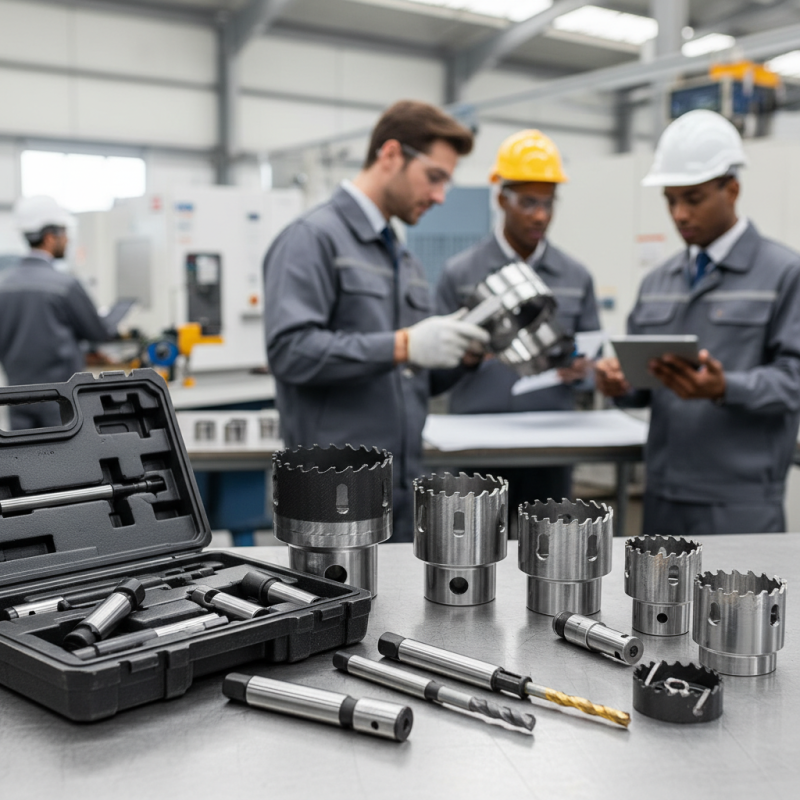
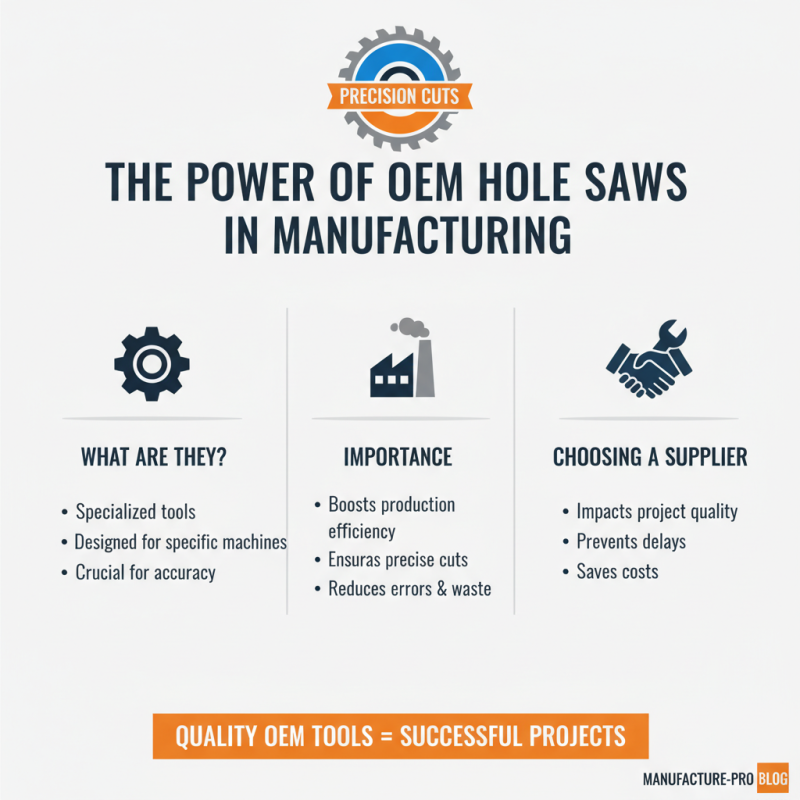
In the manufacturing industry, OEM Hole Saws play a crucial role in achieving precise cuts and maintaining production efficiency. These specialized tools are designed to fit various machines, making them vital for any workshop. Choosing the right OEM Hole Saw supplier can significantly impact the quality of your projects. Many manufacturers overlook this aspect, leading to costly mistakes and delays.
Understanding the features of OEM Hole Saws is essential. A130mm hole saw, for instance, provides a balance between size and versatility. It can be used for numerous applications, from wood to metal. However, not all suppliers offer the same quality. Some may compromise on materials or durability. This inconsistency can result in subpar performance, which ultimately affects the end product.
Reliability and expertise in selecting a supplier can be a hit or miss. Some clients choose based on price alone, neglecting essential factors like after-sales support and warranty. Others may not realize they need specific designs for unique applications. It’s crucial to address these gaps in knowledge. Investing time in research can lead to better decisions that directly enhance manufacturing processes. Good suppliers can provide insights into the latest innovations in Hole Saw technology, ensuring you remain competitive.
When selecting an OEM Hole Saw supplier, certain key qualities are essential. First, consider the supplier's experience in the industry. A supplier with years of expertise often demonstrates a deeper understanding of customer needs. Look for suppliers that have a track record of producing high-quality products. Testimonials or case studies may provide insights into their reliability.
Another critical quality is the range of products offered. A good supplier should have various Hole Saws, including specialized options like thedeep hole saw. It’s beneficial to have choices that cater to specific applications. Also, assess their manufacturing processes. Suppliers with advanced technology tend to produce more durable and precise Hole Saws.
Communication plays a vital role in supplier relationships. Choose a supplier that is responsive and willing to engage with customers. A strong support team can help address issues quickly. Reflect on your experience with potential suppliers. If they do not meet your expectations during initial interactions, it may be a red flag. Trust your instincts; a reliable supplier should inspire confidence through every step of the purchasing process.
When choosing an OEM Hole Saw supplier, evaluating their experience and industry reputation is crucial. A supplier with years in the industry will likely understand the nuances of materials and manufacturing processes. Their longevity often reflects reliability. Look for case studies or client testimonials that highlight their work quality. This insight can guide your decision-making.
Consider if the supplier participates in industry events or organizations. Being active in professional circles indicates a commitment to industry standards. It often means they stay updated on innovations. Beware of suppliers with vague histories. An unclear reputation may suggest a lack of transparency.
Explore how they address customer service issues. Fast and effective responses can showcase their professionalism. However, not all suppliers handle complaints well. Some may dismiss concerns too quickly. This is a red flag. Make sure to gather firsthand accounts if possible. Engaging with past clients may reveal underlying issues you should consider before making a choice.
When selecting a high-quality OEM Hole Saw supplier, material quality is crucial. The different types of materials used, such as high-speed steel (HSS) and carbon steel, significantly impact performance and durability. According to industry reports, HSS hole saws typically offer higher wear resistance, enabling them to perform optimally on tougher materials. This resistance to wear extends tool life, leading to fewer replacements and lower overall costs.
Manufacturing standards also play a vital role in assessing supplier reliability. Several reports indicate that suppliers adhering to ISO 9001 quality management principles tend to maintain higher consistency in their products. They often implement rigorous testing protocols to ensure each hole saw meets specific performance metrics. However, not all manufacturers conduct thorough testing, which may lead to variability in product quality. It's important to ask suppliers about their quality control processes to ensure they meet established industry benchmarks.
Investing time in this evaluation ensures that you choose a supplier that prioritizes quality. Discerning the nuances of material specifications and manufacturing practices requires research. Sometimes, suppliers may provide overly optimistic performance claims, which may not translate to real-world use. A deeper exploration into customer reviews and third-party evaluations can provide more grounded insights into a supplier's reliability and product longevity.
When selecting a high-quality OEM hole saw supplier, understanding pricing strategies is crucial. A recent industry report indicates that pricing can vary significantly based on the supplier's location, material quality, and manufacturing methods. This means that a seemingly lower-priced option might lead to higher long-term costs due to inferior quality.
Investing in top-quality hole saws often translates to better performance and durability. A reliable supplier may charge more upfront, yet the reduced need for replacements can save money. This cost-effectiveness is frequently backed by studies showing that high-quality tools can last up to 50% longer than cheaper alternatives.
When evaluating suppliers, consider asking for samples. This allows for side-by-side comparisons of durability and performance. Also, check for certifications. Suppliers with certified quality assurance processes often offer better value. Explore the total cost of ownership, which includes warranties and customer support, to truly understand the financial implications of your choice. An informed decision today will ensure efficiency tomorrow.
When selecting an OEM hole saw supplier, customer support is crucial. High-quality service can significantly impact your project outcomes. A survey by Tools Industry Insights emphasizes that 73% of customers prioritize responsive support. This indicates that timely communication can enhance user satisfaction.
Consider after-sales services next. Many manufacturers overlook this aspect. A report by Manufacturing Quality Analysis shows that 68% of post-purchase issues arise due to inadequate support. Good suppliers offer guidance on maintenance and troubleshooting. For specialized products like a 22mm hole saw, expert advice can prevent costly mistakes. Ensure your supplier offers technical support that can help troubleshoot any concerns promptly.
Moreover, transparent return and warranty policies reflect a supplier’s reliability. A vendor that stands behind their products is more trustworthy. Each business operation may face challenges. Having a supportive supplier can make navigating these hurdles smoother. In manufacturing, a dependable partner can turn a setback into a small learning curve.
Choosing the right OEM hole saw manufacturer involves careful scrutiny, especially concerning compliance with industry standards. Verified compliance ensures that products meet safety and quality requirements. According to a report by the International Organization for Standardization (ISO), certified manufacturers exhibit a 25% lower defect rate compared to non-certified ones. This emphasizes the significance of seeking suppliers who hold relevant industry certifications, such as ISO 9001.
A reliable hole saw manufacturer not only focuses on production but also adheres to strict testing parameters. Industry standards like ANSI and ASTM are crucial benchmarks. Suppliers should routinely provide documentation proving compliance with these standards. Transparency in testing results builds trust between the manufacturer and buyer. Yet, not all suppliers willingly share this information, which requires buyers to dig deeper and ask pertinent questions.
Communication is key. Engage in discussions about quality management and safety protocols. Some manufacturers may lack detailed certifications, pointing to possible gaps in quality assurance. Be vigilant; if answers are vague, it may indicate underlying issues. The choice of a hole saw manufacturer should be based on trustworthiness and a commitment to quality standards, ensuring that you receive reliable products for your projects.
: OEM hole saws are used to achieve precise cuts in various materials, enhancing manufacturing efficiency.
The right supplier impacts the quality of projects and avoids costly mistakes and delays.
Look for size, versatility, and quality materials to ensure effective performance in different applications.
Lower prices can lead to higher long-term costs due to lower quality and durability.
Yes, samples enable comparisons of performance and durability before making a purchase decision.
Suppliers with certified quality assurance processes often provide better long-term value and performance.
It includes the initial purchase price, warranties, and customer support, affecting overall value.
Invest time in research about suppliers, product quality, and latest innovations to improve outcomes.
Many prioritize price over quality, neglecting crucial factors like support and specific design requirements.
They can last up to 50% longer, reducing replacement needs and costs over time.
When selecting a high-quality OEM Hole Saw supplier, it is essential to understand the significance of hole saws in manufacturing processes. These tools are crucial for creating precise holes in various materials, and choosing the right supplier can greatly impact production efficiency and product quality. Key qualities to consider include the supplier's experience, industry reputation, and adherence to high manufacturing standards.
Additionally, assessing the quality of materials used, evaluating pricing strategies for cost-effectiveness, and exploring available customer support and after-sales services are all vital steps in the decision-making process. Lastly, confirming that the supplier complies with relevant industry certifications ensures that their products meet required safety and quality standards, ultimately leading to a more reliable and efficient production line.